
Container Gardens
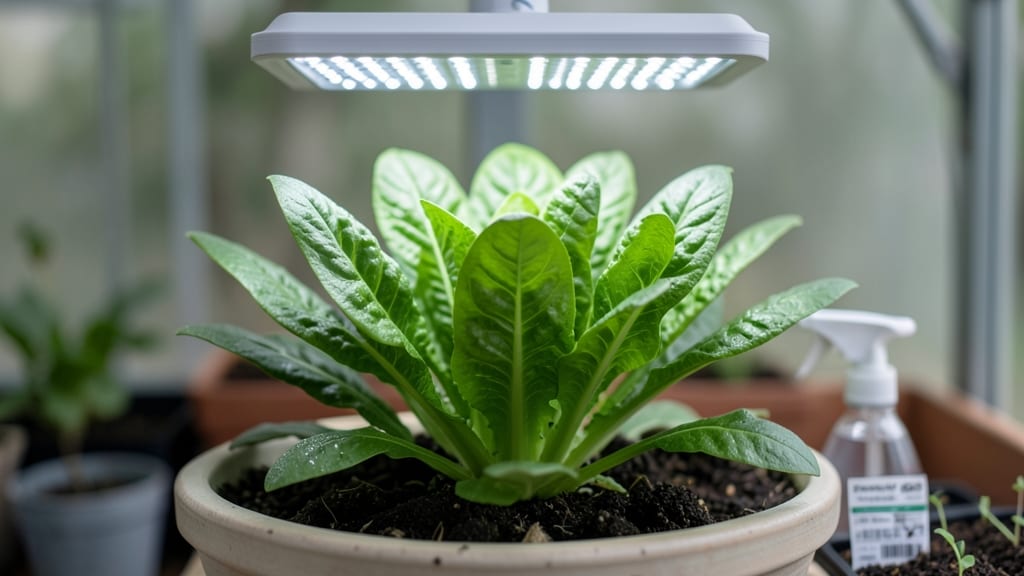
Romaine lettuce thrives indoors when you mimic its outdoor growing conditions—crisp stems and bolt-resistant leaves are absolutely possible with the right light and care. 🌱 I learned this the hard way after my first batch turned bitter and bolted in just three weeks, but now I grow it year-round on my kitchen counter with zero sunlight.
The secret is bright light—not direct sun—and consistent moisture. A simple grow light or south-facing window keeps stems sturdy, while a shallow container with drainage prevents root rot. Romaine loves cool temps (60-70°F) and stays sweet when you harvest the outer leaves first, letting the center keep growing.
You’ll harvest ready-to-eat leaves in 4-6 weeks, with plants producing for months if you keep them happy. The key is avoiding heat stress (no warm spots) and overwatering—lettuce roots need air too. Perfect for small spaces, winter gardens, or anyone tired of wilted store-bought lettuce.
Let’s get those crisp leaves growing!
📚 In This Guide
- What you need
- Instructions
- Tips and common mistakes
- Wrapping up and next steps
What you need
- ● Romaine lettuce seeds: Choose bolt-resistant varieties like Romaine ‘Parris Island’ or Romaine ‘Black Seeded Simpson’. Start with 5–10 seeds per container.
- ● Growing containers: Small pots (4–6 inches deep) for 1–2 seedlings each, or
- ● A shallow tray (6+ inches deep) for clusters of seeds (spaced 6–8 inches apart).
- ● High-quality potting mix: Use a seed-starting mix or a light, well-draining blend (avoid garden soil—it’s too dense!). Aim for 1–2 gallons per container.
- ● Grow lights: A full-spectrum LED grow light (12–16 watts per square foot) or a compact fluorescent (CFL) bulb (60W equivalent). Position 2–6 inches above plants.
- ● Watering can or spray bottle: With a gentle spray nozzle to avoid disturbing seeds.
- ○ Plant labels: Optional but helpful for tracking varieties!
- ○ Seedling heat mat (optional): Keeps soil warm (70–75°F) for faster germination.
- ● Humidity dome or plastic wrap: Creates a mini greenhouse to retain moisture (remove once sprouts appear!).
- ● Fertilizer: Balanced liquid fertilizer (5-5-5 or 10-10-10): Dilute to ½ strength and apply every 2–3 weeks.
- ○ Slow-release granules (optional): Mix into soil at planting for steady nutrients.
- ● Pruning shears: For harvesting outer leaves without damaging the core.
- ○ Thermometer/hygrometer (optional): Monitors temperature (60–65°F ideal) and humidity (40–60%).
- ● Space: A sunny windowsill (6+ hours of light/day) or dedicated grow light setup.
- ● Patience: Germination takes 7–14 days; harvest-ready in 4–6 weeks!
- ● Consistency: Lettuce loves moist (not soggy) soil and predictable care.
Step-by-step instructions for growing romaine lettuce indoors
Here’s how to grow crisp, bolt-resistant romaine indoors—no greenhouse needed.
🌱 Step 1: Choose the Right Container and Soil Mix
Romaine thrives in shallow containers with drainage. Use a 6-inch-deep pot for each plant (or a 12-inch container for 4 plants spaced 4 inches apart). Fill with a lightweight potting mix—never garden soil, which compacts and drowns roots. I like adding 10% perlite to improve aeration and prevent soggy soil.
Moisten the mix until it’s damp like a wrung-out sponge, but not dripping. Press it down gently so the surface is level. Romaine hates soggy roots, so if your pot lacks drainage holes, drill a few—just don’t let them be bigger than ¼ inch or soil will wash out.
💧 Step 2: Sow Seeds Correctly for Even Germination
Scatter 3-4 seeds per pot (or 1 seed every 2 inches in larger containers) on the soil surface. Press them in lightly—just enough to make contact, since romaine seeds need light to germinate. Cover with ¼ inch of fine potting mix (no more, or they’ll struggle to reach the surface).
Mist gently with a spray bottle until the soil looks evenly damp. Place the container in a warm spot (65-75°F)—a sunny windowsill or under a grow light. Keep the soil consistently moist (not wet) until sprouts appear in 5-10 days. If you see mold, reduce humidity by removing the cover or spacing pots further apart.
☀️ Step 3: Provide the Right Light to Prevent Bolting
Romaine bolts (goes to seed) when stressed by heat or light deprivation. Give it 12-14 hours of bright light daily using a grow light if natural light is weak. Position the light 4-6 inches above the plants and raise it as they grow. You’ll know it’s enough light when leaves stay dark green and compact—not pale or stretched.
Rotate the pot a quarter turn every few days so plants grow straight instead of leaning toward the light. If leaves yellow between veins, it’s a sign of too much water or poor drainage. Adjust by letting the top inch of soil dry out between waterings.
🌿 Step 4: Thin and Care for Crisp Stems
When seedlings have 2 true leaves (not the first tiny cotyledons), thin to the strongest plant per pot. Snip the extras at the base with scissors—don’t pull, or you’ll disturb roots. Keep the remaining plant well-watered but never soggy; romaine’s crisp stems come from consistent moisture, not saturation.
Fertilize lightly 2 weeks after thinning with a balanced liquid fertilizer (10-10-10) diluted to half strength. Over-fertilizing causes bitter leaves, so I skip it entirely if using high-quality potting mix. Watch for pests like aphids—spray with neem oil at the first sign of sticky leaves.
✂️ Step 5: Harvest for Continuous Yield
Harvest the outer leaves first when they reach 4-6 inches tall, cutting just above a set of leaves. This encourages the center to fill out. For full heads, wait until the entire plant is 8-10 inches tall—but don’t delay past 6 weeks, or bolting becomes likely. Store harvested leaves in a sealed container with a paper towel to keep them crisp for up to a week.
After harvest, give the plant 1 inch of water and a little fertilizer to encourage regrowth. With proper care, you’ll get 2-3 harvests per plant before it bolts. Save seeds from bolted plants for next season—just let them dry on the plant before storing in a cool, dark place.
Tips & tricks for perfect indoor romaine lettuce
Here's what I learned after growing romaine indoors for years—and how to avoid the mistakes that kill your plants.
Container Depth Matters: The 6-inch depth requirement isn't arbitrary—romaine roots grow downward but need room to anchor. Deeper pots (8+ inches) can work, but they'll dry out slower, risking root rot. If using a shallow tray, add a layer of pebbles at the bottom for drainage. I've found that 6-inch pots actually help prevent leggy growth by limiting root spread.
Germination Hack: For those stubborn seeds that take longer than the 5-10 day window, try soaking them in warm water for 24 hours before planting. This jumpstarts germination while keeping them light-dependent. Just don't cover them after planting—that's what stops them from reaching the surface. I've seen germination rates jump from 50% to 90% with this trick.
Light Positioning: That 12-14 hours of bright light isn't just about duration—it's about intensity. Position your grow light so the leaves are just touching it. If they're too far away (6+ inches), they'll stretch toward the light. Too close (under 4 inches), and you'll burn them. I use a simple ruler to mark the exact height on my light stand.
Harvest Timing: The 6-week window is tighter than you think. I've seen plants bolt within 5 weeks if they get too crowded or stressed. Start harvesting outer leaves when they reach 4-6 inches—this prevents the plant from sensing it's "done" and bolting prematurely. Think of it like trimming your hair regularly to encourage growth.
Pro Tips for Growing Romaine Lettuce Indoors
- Here's what I learned after growing romaine indoors for years—and how to avoid the mistakes that kill your plants.
- Container Depth Matters: The 6-inch depth requirement isn't arbitrary—romaine roots grow downward but need room to anchor.
- Germination Hack: For those stubborn seeds that take longer than the 5-10 day window, try soaking them in warm water for 24 hours before planting.
Frequently asked questions
Got questions about growing crisp, homegrown romaine indoors? You’re not alone! Here are answers to the most common queries—from setup snags to harvest hacks.
How long does it take to grow romaine lettuce indoors?
With the right conditions, you’ll see baby leaves in 3–4 weeks and harvest full heads in 6–8 weeks. Bolt-resistant varieties like ‘Little Gem’ or ‘Parris Island’ mature faster (around 50 days) if you’re impatient! Use a grow light on a 14–16 hour cycle to speed things up.
Can I grow romaine indoors without a grow light?
Yes, but it’s tricky! Place your container near a south-facing window for 6+ hours of direct sunlight daily. If your space is dim, supplement with a CFL or LED bulb (6–8 inches above plants). Without light, leaves will stretch (called etiolation) and taste bland. Pro tip: Rotate pots weekly for even growth.
Why is my romaine turning bitter or bolting?
Bitter taste or premature bolting (flowering) usually means heat stress or long days. Keep temps below 75°F (24°C) and limit light to 12–14 hours/day to delay bolting. Overcrowded pots or nutrient burnout (from old soil) can also cause bitterness. Flush soil with water every 2 weeks to prevent buildup!
What’s the best container size for indoor romaine?
Aim for at least 6–8 inches deep and 12+ inches wide per plant (or 1 plant per 12" pot). Shallow containers (like salad bowls) work for microgreens but won’t support full heads. Use well-draining soil (like a mix of potting soil + perlite) to avoid root rot. Bonus: Add a saucer to catch excess water!
Can I regrow romaine from store-bought lettuce?
Not reliably! Store-bought romaine is often pre-cut or treated to slow sprouting. However, you can try soaking the base in water (like celery) for 3–5 days—you might get a few sad, slow-growing leaves. For better results, start with seeds or seedlings from a nursery. Fun fact: Some varieties (like ‘Black Seeded Simpson’) are easier to regrow than others!
How do I harvest romaine indoors without killing the plant?
Use clean scissors to snip outer leaves just above a leaf node (where new growth sprouts). Avoid taking more than 1/3 of the plant at once—this encourages bushier regrowth. For full heads, cut the entire stalk at the base. Water lightly after harvesting to revive the soil. Pro move: Harvest in the morning for crispest leaves!
Wrapping up and next steps
Growing romaine lettuce indoors isn’t just possible—it’s empowering! With the right setup, you can enjoy fresh, crisp leaves year-round, even without natural sunlight. Whether you’re a beginner or a seasoned gardener, this bolt-resistant variety thrives in containers, making it the perfect addition to your indoor garden.
Ready to take the next step? Start small with a single container, experiment with lighting, and watch your harvest grow. Your kitchen counter—or windowsill—just became a farm! 🌱