
Container Gardens
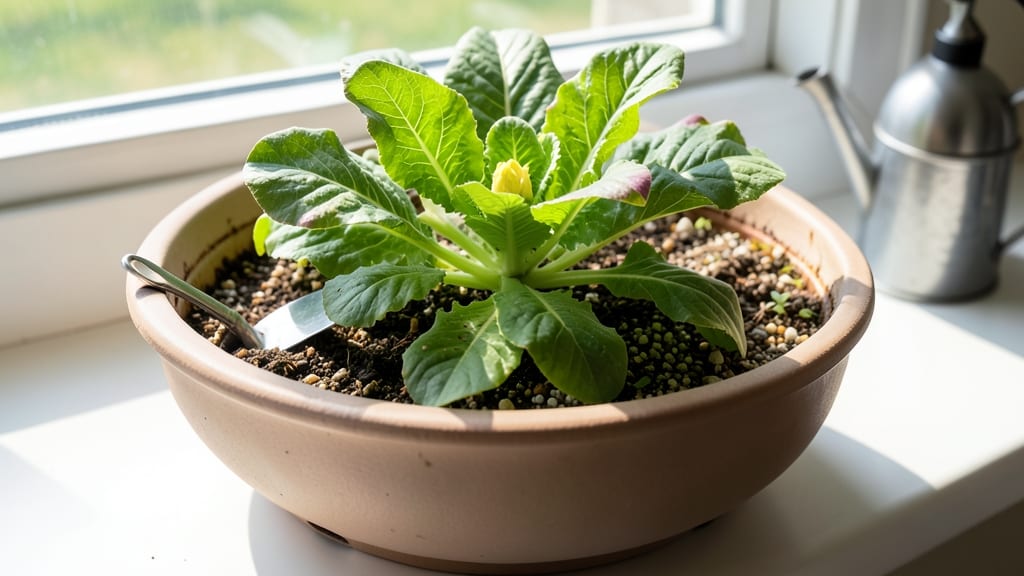
Growing crisp indoor lettuce starts with the right container—deep and well-draining keeps roots happy and greens lush. 🌱 I learned this the hard way after my first shallow pot grew leggy, bitter lettuce in two weeks.
The perfect container balances space for roots, moisture control, and easy access for harvesting. For beginners, 5-7 inch deep containers work best—deeper than salad bowls but not overwhelming. Fabric pots or plastic with drainage holes prevent soggy roots, while ceramic adds style (and weight to keep them steady).
Self-watering options cut maintenance, but watch for mold if water sits too long. You’ll harvest tender baby leaves in 3-4 weeks or full heads in 6-8, depending on variety. The key is keeping soil consistently moist but never waterlogged—lettuce hates soggy feet more than anything else.
A saucer under the pot catches excess water, but empty it daily to avoid root rot. Space-saving tip: Stack containers vertically or use wall-mounted planters. Just ensure each pot has at least 3 inches of depth—shallower setups lead to fast bolting.
With the right container, your indoor lettuce will stay crisp, sweet, and ready to harvest all season long.
📚 In This Guide
- What you need
- Instructions
- Tips and common mistakes
- Wrapping up and next steps
What you need
- ● Container: A deep, well-draining pot (minimum 6–8 inches deep and 12+ inches wide for multiple plants). Options: Ceramic or plastic pots with drainage holes
- ● Fabric grow bags (breathable and lightweight)
- ● Wooden boxes or raised beds (if space allows)
- ● Potting Mix: 1–2 gallons of lightweight, well-draining soil (avoid garden soil—it compacts!). Look for a seed-starting mix or blend with 20–30% perlite or coconut coir.
- ● Drainage Layer: 1–2 inches of gravel, pebbles, or broken pottery (placed at the bottom of the container).
- ● Lettuce Seeds or Seedlings: Seeds: 5–10 seeds per container (sow ¼ inch deep). Choose loose-leaf, butterhead, or romaine varieties.
- ● Seedlings: 2–4 plants (transplant after hardening off).
- ● Watering Can or Spray Bottle: With a narrow spout to avoid disturbing soil.
- ● Trowel or Small Shovel: For planting and soil adjustments.
- ○ Misting Spray (Optional): Helps maintain humidity for seedlings.
- ○ Grow Lights (Optional): 12–16 hours/day of full-spectrum LED (10,000–20,000 lux) if natural light is less than 6 hours/day.
- ○ Fertilizer (Optional): Balanced liquid fertilizer (e.g., 10-10-10) diluted to half-strength every 2–3 weeks.
- ● Slow-release granules mixed into soil at planting.
- ○ Saucer or Tray (Optional): To catch excess water and prevent messes.
- ● Location: A spot with bright, indirect light (south- or west-facing windowsill is ideal). Avoid direct sun, which can scorch leaves.
- ● Temperature: Keep between 50–70°F (lettuce bolts—goes to seed—in heat!).
- ● Humidity: Maintain 40–60% (use a humidity tray or pebble tray if your home is dry).
Step-by-Step guide to choosing the best container for indoor lettuce
Here's how to pick the perfect container for juicy, fast-growing lettuce that thrives indoors.
🪴 Step 1: Prioritize Depth and Drainage for Root Space
Lettuce needs at least 6 inches of soil depth to develop crisp leaves and sturdy roots. Shallow containers (like salad bowls) will produce bitter, stunted greens. I always opt for 8-12 inch deep pots—deep enough for butterhead varieties to form full heads. The wider the base, the better for heat distribution, which prevents root rot in small spaces.
Drainage holes are non-negotiable. Without them, soggy soil invites fungal diseases that turn leaves black and mushy. If your container lacks holes, drill two ¼-inch holes in the bottom—just enough to let water escape but not so large they let soil wash out. I like to place a small piece of broken terracotta over each hole to keep soil in place while allowing water to drain freely.
💧 Step 2: Select Material for Moisture Control
Terracotta pots are my top pick for lettuce because they wick moisture away from roots through their porous walls. This prevents the soil from staying too wet, which is lettuce's biggest enemy indoors. If you choose plastic, look for light-colored containers—they reflect heat better and keep roots cooler. Dark plastic absorbs too much heat, causing soil to dry out unevenly.
For 4 servings of lettuce, a 10-12 inch diameter container works perfectly. If you're growing loose-leaf varieties, you can fit 2-3 plants per 8-inch pot. But for head lettuces like romaine or iceberg, give each plant its own 10-inch pot—crowding leads to competition for nutrients and smaller, tougher leaves.
☀️ Step 3: Position for Consistent Light and Airflow
Place your container near a south- or west-facing window where it gets 4-6 hours of bright, indirect light daily. Direct sunlight will scorch delicate lettuce leaves within hours. If your space is dim, supplement with a grow light kept 6-12 inches above the plants for 12-14 hours per day. Lettuce grows best at 60-65°F—if your home runs warmer, move it away from heat sources like vents.
Good airflow prevents mold and pests. I like to place a small fan on low near the container for 1-2 hours daily—just enough to stir the air without creating drafts. This mimics outdoor conditions and keeps leaves crisp. Watch for yellowing lower leaves—this is your first sign of either overwatering or poor airflow.
🌿 Step 4: Maintain Ideal Moisture Without Drowning Roots
Lettuce thrives in consistently moist (not soggy) soil. Stick your finger 1 inch into the soil—if it feels dry, water until moisture reaches 4 inches deep. Overwatering is the #1 killer of indoor lettuce, causing roots to suffocate and leaves to turn yellow. I use a watering can with a thin spout to aim water at the soil, not the leaves, which prevents fungal spores from splashing onto foliage.
For 4 servings of lettuce, expect to water every 2-3 days in warm weather or every 4-5 days in cooler conditions. The key is even moisture—never let the soil dry out completely between waterings. If the top inch feels dry but the rest is still damp, wait another day. Lettuce wilts easily when thirsty, but it recovers quickly once watered.
Tips & tricks for growing lush indoor lettuce
Here's what nobody tells you about picking the perfect container that'll transform your indoor lettuce from sad to spectacular.
Depth Matters More Than You Think: That 8-12 inch depth recommendation in Step 1 isn't arbitrary—it's about giving butterhead varieties room to develop their full heads. I've seen shallow containers produce lettuce that's more bitter than crisp. For loose-leaf varieties, you can cheat slightly with 6 inches, but don't go below that or you'll get tough, stringy leaves. The wider base isn't just for looks—it helps distribute heat evenly, which is crucial for preventing root rot in those deeper containers.
Material Choice Can Make or Break Your Harvest: Terracotta isn't just my top pick—it's the only material that truly mimics outdoor growing conditions. The porous walls wick away excess moisture exactly how nature intended. If you're set on plastic, light-colored containers are your best bet—they reflect heat instead of absorbing it, which prevents uneven drying. Pro tip: Place a small piece of broken terracotta over those drainage holes (as mentioned in Step 1) to keep soil from washing out while still allowing perfect drainage.
Light and Temperature Teamwork: The 4-6 hours of bright, indirect light in Step 3 is non-negotiable, but here's the secret: position your container so the light hits the leaves from the side rather than directly overhead. This creates more surface area for photosynthesis. And about that 60-65°F range? That's not just a suggestion—lettuce gets stressed above 70°F, which makes leaves bolt (go to seed) prematurely. If your home runs warm, move your container to a cooler spot during peak afternoon heat.
Watering Wisdom That'll Save Your Plants: The finger test in Step 4 is gold, but here's how to take it further: press your finger in about 1 inch deep—if the soil feels like a damp sponge, you're good. If it's dry at that depth but still moist lower down, wait another day. I've ruined more lettuce batches by overwatering than by underwatering, and it always starts with soggy soil. That watering can with a thin spout? Use it to water at soil level, not overhead—this prevents fungal spores from splashing onto leaves, which is how those nasty black spots appear.
Pro Tips for Best Container For Growing Lettuce Indoors
- Here's what nobody tells you about picking the perfect container that'll transform your indoor lettuce from sad to sp...
- Depth Matters More Than You Think: That 8-12 inch depth recommendation in Step 1 isn't arbitrary—it's about giving bu...
- Material Choice Can Make or Break Your Harvest: Terracotta isn't just my top pick—it's the only material that truly m...
Frequently asked questions
Got questions about growing lettuce indoors? You're not alone! Here are some common concerns—and their solutions—to help you cultivate crisp, homegrown greens with ease.
What’s the best depth for a lettuce container?
Lettuce thrives in containers at least 6–8 inches deep. Shallow pots (under 4 inches) risk root crowding and poor drainage, leading to leggy or bitter greens. For loose-leaf varieties, 6 inches works; opt for 8+ inches for head lettuce (like romaine or iceberg) to support full growth.
How often should I water indoor lettuce?
Keep soil consistently moist but not soggy—water when the top inch feels dry (usually every 2–3 days). Use a spray bottle for gentle hydration or a self-watering container to maintain even moisture. Overwatering causes root rot, while underwatering leads to bolting (premature flowering).
Can I reuse containers from other plants?
Yes! Just sanitize first—scrub with soapy water, rinse, and soak in a 1:10 bleach-water mix (or vinegar) for 10 minutes to kill pathogens. Ensure containers have drainage holes (add them if missing) and avoid plastic that’s cracked or leaching chemicals. Glazed ceramic or fabric grow bags are great reusable options!
Why is my lettuce turning bitter or bolting?
Bitter taste or bolting (shooting up) usually means too much heat or light. Lettuce prefers cool temps (60–65°F) and 4–6 hours of indirect light daily. If using grow lights, keep them 6–12 inches above plants and use a timer for 12–14 hours/day. Harvest outer leaves to encourage regrowth and reduce stress.
What’s a good alternative if I don’t have deep containers?
No deep pots? Try stackable planters (like tiered trays) or fabric grow bags (8–12 inches deep) for vertical space-saving. For microgreens, shallow trays (2–3 inches) work—just harvest in 1–2 weeks before roots need depth. Window boxes (with drainage) or even a clean plastic bin with holes can double as temporary homes!
Wrapping up and next steps
Growing lettuce indoors is easier than you think—the right container makes all the difference! 🌱 Whether you choose a deep planter for root space, a self-watering system for convenience, or a stylish vertical garden for small spaces, your lush greens are just a few weeks away.
With proper drainage, sunlight, and care, you’ll enjoy fresh, crisp lettuce right at home.
Ready to start? Pick your favorite container, grab those seeds, and get growing! 🌿 Next, check out our step-by-step planting guide to turn your setup into a thriving indoor garden.