
Size
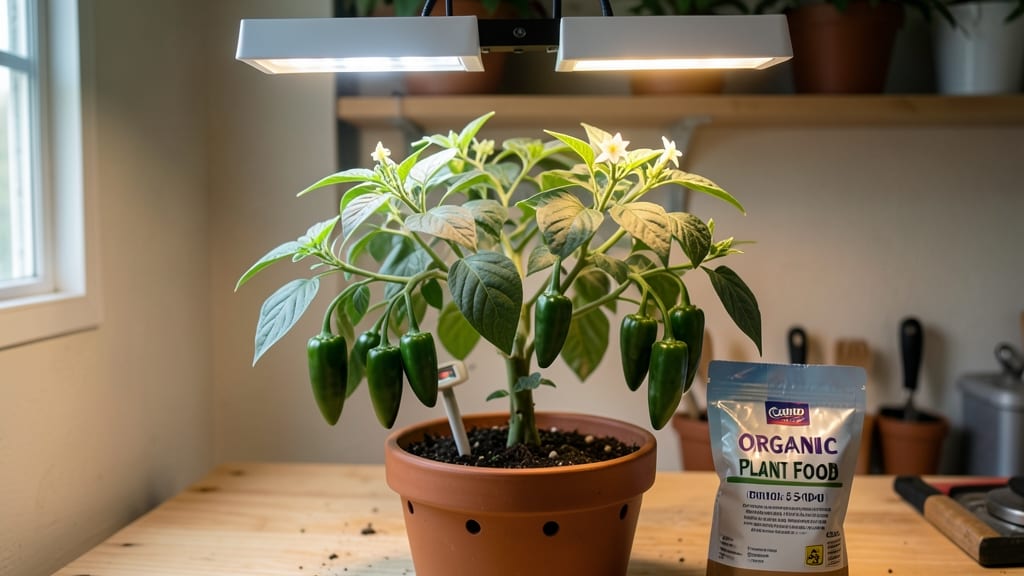
Growing jalapeño peppers indoors gives you fresh heat all year—no greenhouse needed. 🌱 I’ve grown them in my kitchen for three winters now, and the key is matching their needs to your space.
These peppers thrive in containers, but they demand bright light, warm temps, and consistent care to produce those signature spicy fruits.
The right setup starts with a 5-gallon pot (at least), well-draining soil, and a sunny window or grow light. My plants get 6-8 hours of direct light daily, and I keep them near a heat source since they prefer 70-85°F.
Overwatering is the #1 killer—let the top inch of soil dry before watering again, and always use a pot with drainage holes.
By midsummer, you’ll see bright green peppers forming, and with proper pollination (tap flowers gently!), they’ll turn red and pack serious heat. The first harvest comes around 90-120 days, and with good care, one plant can yield 10-20 peppers—enough for salsas, pickling, or sharing with spice-loving friends.
This method works for any indoor space, from bright kitchens to sunrooms. Just watch for pests like spider mites and adjust light as seasons change. Ready to grow your own heat? Let’s get started with the basics!
📚 In This Guide
- What you need
- Instructions
- Tips and common mistakes
- Wrapping up and next steps
What you need
- ● Jalapeño seeds or seedlings: 2–4 (choose early-maturing varieties like ‘Early Jalapeño’ or ‘Red Jalapeño’ for indoor growing).
- ● Containers: 5–10 inch pots (1–2 plants per pot) with drainage holes. Pro tip: Fabric grow bags or self-watering pots work great!
- ● High-quality potting mix: 1–2 bags (sterile, well-draining mix with perlite or coco coir). Skip garden soil—it’s too dense!
- ○ Grow lights (optional but recommended): LED grow lights (12–16 watts per sq. ft.) or full-spectrum bulbs (60W+).
- ● Adjustable light stand (12–18 inches above plants).
- ● Fertilizer: Balanced liquid fertilizer (10-10-10 or 5-5-5) or slow-release granules.
- ● Spray bottle: For gentle watering and humidity control.
- ○ Support (optional): Small stakes or cages (4–6 inches tall) if your jalapeños get leggy.
- ● Pruning shears: Small, sharp pair for trimming.
- ● pH test kit: To check soil pH (ideal: 6.0–7.0).
- ● Humidity tray or pebble tray: Helps maintain moisture, especially in dry climates.
- ● Timer (for grow lights): 12–16 hours of light daily.
- ○ Glove (optional): Protects hands from capsaicin if you’re sensitive!
Step-by-step instructions for growing jalapeno peppers indoors
Here's how to coax fiery, homegrown jalapeños from your windowsill—no greenhouse needed.
🌱 Step 1: Start Seeds in Warm, Moist Soil
Fill a seed tray or small pots with sterile seed-starting mix (not garden soil) and moisten it until damp but not soggy. Press the mix down lightly so it's firm but not compacted. Plant jalapeño seeds just ¼ inch deep—they need light to germinate, so don't bury them too deeply. I like to use a toothpick to make tiny holes for each seed, then drop them in one at a time.
Cover the tray with plastic wrap or a humidity dome to trap warmth and moisture. Place it in a warm spot—75-85°F is ideal, so a seedling heat mat helps if your home runs cooler. Keep the soil consistently moist but never waterlogged. You should see sprouts in 7-14 days. If seeds don’t germinate within two weeks, try again—they can be finicky.
☀️ Step 2: Provide Bright Light and Ventilate Seedlings
Once seedlings emerge, remove the plastic wrap immediately to prevent damping-off disease. Move them to a sunny windowsill (south-facing is best) or under a grow light for 14-16 hours daily. Without enough light, seedlings stretch toward the window and grow weak. You’ll know they’re getting enough light when they’re compact, dark green, and have leaves spaced close together.
Rotate the pots a quarter turn daily so they grow straight instead of leaning. After 2-3 weeks, when seedlings have 2-3 true leaves, transplant them into 5-inch pots with fresh potting mix. Handle them gently—jalapeños dislike root disturbance. Water lightly after transplanting to help them settle in.
🪴 Step 3: Pot Up and Support for Strong Growth
Use well-draining potting mix in 5-6 inch pots (one per plant) to give roots room to spread. Fill the pots ¾ full, then place the seedling in the center and cover the roots with soil. Press down lightly to remove air pockets. Jalapenos need sturdy support—install a small tomato cage or bamboo stake right away. They’ll grow 2-3 feet tall, and without support, they’ll flop over.
Water at the base when the top inch of soil feels dry. Avoid wetting the leaves to prevent fungal issues. Fertilize lightly with a balanced liquid fertilizer (10-10-10) every 2-3 weeks once the plants are established. You’ll notice new leaves emerging within a week of fertilizing—this means they’re thriving.
✂️ Step 4: Prune and Pollinate for Maximum Yield
When plants reach 12-18 inches tall, pinch off the top set of leaves to encourage bushier growth. This redirects energy to the lower branches where peppers will form. Jalapenos self-pollinate, but if you notice flowers dropping without setting fruit, give them a gentle shake or use a small paintbrush to transfer pollen from one flower to another. Peppers should appear 6-8 weeks after flowering.
Harvest jalapeños when they’re 3-4 inches long and firm to the touch. Use pruning shears to cut the stem just above the pepper to avoid damaging the plant. The more you pick, the more your plant will produce. Store harvested peppers in the fridge for up to 2 weeks or freeze them for later use. With proper care, one indoor plant can yield dozens of peppers over its growing season.
Tips & tricks for perfect indoor jalapeno growth
Here's what I learned after growing my first batch of indoor jalapeños—these tricks will help you avoid the common pitfalls.
Germination Secret: Jalapeno seeds need warmth to sprout, but don't overdo it. While 75-85°F is ideal, I found that placing the seed tray on top of my fridge (which stays around 80°F) works perfectly without needing a heat mat. The key is keeping that soil consistently moist—like a wrung-out sponge—not soggy. If you see mold or the soil stays clumpy, you're overwatering.
Lighting Upgrade: That 14-16 hours of light requirement is non-negotiable, but I discovered a workaround for cloudy days. Place your seedlings within 6 inches of a bright LED bulb (like a 6500K daylight bulb) for 2-3 hours in the afternoon. You'll notice the difference immediately—the leaves stay dark green and compact instead of stretching toward the window like little sunflowers.
Support System: Don't wait until your jalapenos are toppling over to add support! Install that tomato cage or bamboo stake right when you transplant them into 5-6 inch pots. I learned this the hard way when my first plant leaned so far it nearly fell out of its pot. The plants will grow 2-3 feet tall, so make sure the support is at least 3 feet high and sturdy enough to handle the weight.
Pruning Payoff: When your plants hit 12-18 inches, that pinch-off of the top set of leaves might seem counterintuitive, but it works wonders. I was skeptical at first, but after doing it, my plants became bushier and produced more peppers. Think of it like redirecting traffic—you're telling the plant to focus its energy on growing wider instead of just taller. Just be gentle with those stems!
Pro Tips for Grow Jalapeno Peppers Indoors
- Here's what I learned after growing my first batch of indoor jalapeños—these tricks will help you avoid the common pi...
- Germination Secret: Jalapeno seeds need warmth to sprout, but don't overdo it. While 75-85°F is ideal, I found that p...
- Lighting Upgrade: That 14-16 hours of light requirement is non-negotiable, but I discovered a workaround for cloudy d...
Frequently asked questions
Got questions about growing jalapeños indoors?
You’re not alone! Here are answers to the most common ones to help you spice up your space—no green thumb required.
How long does it take for indoor jalapeños to produce peppers?
With the right care, you can expect first peppers in 60–80 days from transplanting seedlings. However, full harvests (plenty of mature peppers) may take 3–4 months or longer, depending on light, heat, and variety. Patience pays off—think of it as a slow-burning reward!
Can I grow jalapeños indoors without a grow light?
Yes, but with caveats! A south-facing window (6+ hours of direct sun daily) works for small plants, but growth will be slower and peppers may be fewer. If your space is dim, supplement with a basic LED grow light (12–16 hours/day) to boost yields. No grow light? Try a sunny windowsill + reflective surfaces (like foil) to maximize light.
Why aren’t my jalapeño plants flowering or fruiting?
Lack of flowers or peppers usually means one (or all!) of these: not enough light (add a grow light), cool temps (keep it 70–85°F), or nutrient issues (use a balanced fertilizer like 10-10-10). Overcrowding or stress (like sudden temp drops) can also halt production. Pro tip: Hand-pollinate flowers with a paintbrush if bees aren’t visiting!
What’s the best indoor jalapeño variety for beginners?
Start with compact, bush varieties like ‘Early Jalapeño’ or ‘Mini Jalapeño’—they’re bred for smaller spaces and produce reliably indoors. Avoid tall, indeterminate types (like ‘Big Jim’) unless you’re okay with pruning and staking. Bonus: ‘Jalapeño M’ (a dwarf hybrid) thrives in pots and delivers heat in just 70 days!
How do I know when indoor jalapeños are ready to harvest?
Jalapeños are harvestable when they’re 3–5 inches long and firm to the touch, but color isn’t always the best indicator indoors (they may stay green). For milder heat, pick them early; for maximum spice, let them ripen fully (red/yellow). Use sharp scissors to snip stems—never pull to avoid damaging the plant.
Can I reuse the same soil for multiple jalapeño harvests?
Not ideal! Jalapeños deplete nutrients quickly, and reused soil can compact or harbor pests. Refresh the top 2–3 inches with fresh potting mix every few harvests, or repot entirely into fresh soil annually. Pro tip: Add a slow-release fertilizer (like worm castings) to extend soil life between plants.
Wrapping up and next steps
Growing jalapeno peppers indoors isn’t just possible—it’s a rewarding way to bring a little spice (and fresh flavor!) into your home. With the right setup, patience, and a dash of sunlight, you’ll soon be harvesting fiery peppers year-round. 🌱
Now that you’re armed with tips, start small: pick one pot, test your setup, and let your green thumb shine! Whether you’re a beginner or a seasoned grower, every jalapeno you nurture is a victory worth savoring. Happy growing—and may your harvest be hot! 🔥