
Container Gardens
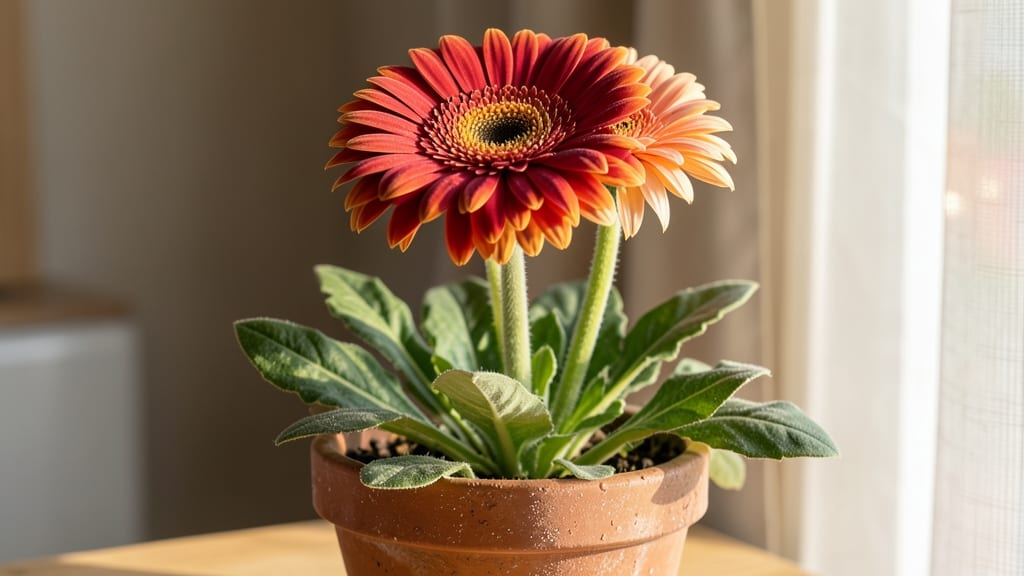
Transform your space with a gerbera indoor plant, bringing vibrant color even in low-light areas. 🌸 I've kept mine blooming for months by mastering the balance of light, water, and humidity—key factors most guides overlook. The secret isn't fancy equipment but understanding what these sun-loving flowers really need indoors.
You'll need a bright window (south- or west-facing is ideal), well-draining potting mix, and a pot with drainage holes. Gerberas prefer 60-70°F temperatures and consistent moisture—never soggy soil. A humidity tray or occasional misting keeps leaves lush, while deadheading spent blooms encourages more flowers.
Most people struggle with wilting or yellowing leaves, but I've found the fix is usually too much water or poor light.
With the right care, your gerbera will reward you with nonstop blooms for 6-8 months straight. The flowers stay bright and cheerful, adding a pop of color to winter days. Just be patient—these plants take 2-3 months to adjust to indoor conditions before they really take off.
Perfect for apartments, offices, or sunrooms, gerberas thrive as long-term indoor plants if you meet their basic needs. They're not as finicky as they seem—just avoid drafts and sudden temperature swings. Let's get those blooms going!
📚 In This Guide
- What you need
- Instructions
- Tips and common mistakes
- Wrapping up and next steps
What you need
- ● Gerbera daisy plant: 1 healthy, disease-free indoor variety (check for bright petals and sturdy stems).
- ● Container: 1 pot with drainage holes (6–8 inches in diameter; terracotta or ceramic preferred).
- ● Well-draining potting mix: 2–3 gallons of a blend designed for flowering plants (e.g., 60% peat moss, 30% perlite, 10% compost).
- ○ Grow lights (optional but recommended): 1 full-spectrum LED grow light (12–15 watts) for 10–12 hours/day.
- ● OR a sunny windowsill (south- or west-facing).
- ● Watering can or spray bottle: 1 with a fine rose nozzle for gentle hydration.
- ● Pruning shears: 1 pair (sterilized with rubbing alcohol).
- ● Fertilizer: 1 balanced liquid fertilizer (10-10-10 or 20-20-20, diluted to half-strength).
- ● Humidity tray: 1 shallow tray + pebbles for added moisture (especially in dry climates).
- ● Plant food: 1 slow-release granular fertilizer (e.g., Osmocote) for long-term nourishment.
- ● Support stake: 1 bamboo stake (if your Gerbera grows tall).
Step-by-step instructions for cultivating gerbera daisies indoors
Here’s how to coax vibrant blooms from gerbera daisies even in low-light spaces—no greenhouse required.
🪴 Step 1: Select the Right Container and Soil Mix
Gerberas thrive in pots with drainage holes to prevent root rot, which is their biggest indoor killer. I use 6-inch terracotta pots for each plant—just enough room for their fibrous roots without crowding. Fill the bottom third with orchid bark or perlite to ensure excess water drains away.
For soil, blend 2 parts potting mix with 1 part coconut coir or peat moss—this keeps moisture consistent but never soggy. I avoid heavy garden soil; it compacts and smothers roots. Add a handful of slow-release fertilizer granules (10-10-10 ratio) into the mix to kickstart growth. Tap the container gently after filling to settle the soil without compacting it.
☀️ Step 2: Position for Optimal Light and Temperature
Gerberas need bright, indirect light—think east-facing windows or 6-8 hours of artificial grow light daily. A south window works only if you diffuse the light with sheer curtains; direct sun bleaches petals. I place mine 12-18 inches from a 6500K LED bulb for consistent blooms.
Keep temperatures steady between 65-75°F during the day and 55-60°F at night. Drafts from AC vents or heaters stress gerberas, causing buds to drop. If your home runs cooler, a small space heater near the plant (not touching) helps maintain warmth without drying the air.
💧 Step 3: Water with Precision to Prevent Root Stress
Water gerberas only when the top 1 inch of soil feels dry—overwatering is the fastest way to kill them. I use the finger test: stick your index finger into the soil. If it comes out clean, water; if it’s damp, wait. Pour water until it runs freely from the drainage hole, then empty the saucer immediately to avoid root suffocation.
Mist the leaves weekly with room-temperature water to mimic humidity, but avoid wetting the petals—this invites fungal spots. In winter, when indoor air dries out, I set the pot on a pebble tray with shallow water to boost moisture around the plant without soggy soil.
✂️ Step 4: Prune and Fertilize for Continuous Blooms
Deadhead spent blooms within 24 hours of wilting to encourage new flowers. Snip the stem ½ inch above the next leaf node with clean scissors—never yank them off. This simple habit keeps gerberas flowering for months instead of bolting after one cycle.
Feed every 4-6 weeks with a balanced liquid fertilizer (half-strength) during spring and summer. In fall and winter, cut back to once every 8 weeks—gerberas rest in cooler months, and over-fertilizing stresses them. I flush the soil with plain water after fertilizing to prevent salt buildup, which burns roots.
🌿 Step 5: Rotate and Repot for Long-Term Health
Turn the pot a quarter turn weekly so the plant grows evenly toward the light. You’ll notice stems leaning toward the window? That’s your cue to adjust. Gerberas grow 12-18 inches tall indoors—if they outgrow their pot (usually after 12-18 months), repot into a container 2 inches wider with fresh soil.
Spring is the best time to repot. Gently loosen the roots and trim any that are mushy or blackened—signs of rot. Add a slow-release fertilizer pellet to the new soil and water lightly. Avoid repotting in winter; gerberas are sensitive to root disturbance when dormant.
Tips & tricks for cultivating thriving gerbera daisies indoors
Mastering gerbera care indoors starts with these game-changing insights that turn potential pitfalls into effortless success.
Soil Mix Secrets: The 2:1 ratio of potting mix to coconut coir isn't just about drainage—it's about creating an airy environment that mimics gerbera's natural habitat. I've found that adding ½ cup of perlite per gallon of mix further prevents compaction, which is especially critical in terracotta pots that dry out faster. The key is keeping the soil loose enough that roots can breathe while still holding enough moisture between waterings.
Light Optimization: That 6-8 hour daily light requirement can be tricky without a south-facing window. I've had the most success with a full-spectrum LED grow light on a timer—set it for 6 hours in the morning and 2 hours in the evening to mimic natural light patterns. Position it 12 inches above the plants and adjust as they grow. Watch for leaves stretching toward the light (etiolation)—this is your signal to move the light closer or increase duration by 30 minutes.
Temperature Troubleshooting: Maintaining that 65-75°F day/night range is easier said than done in most homes. I place my gerberas near a window during the day but move them away from drafty spots at night. A helpful trick: use a small digital thermometer near the plant to monitor conditions. If your home consistently runs cooler, a small ceramic heater (not electric) placed 2 feet away can help without creating dry air. The goal is consistency—gerberas hate temperature swings more than anything.
Fertilizer Strategy: The 4-6 week feeding schedule works wonders, but timing matters just as much as quantity. I've learned to fertilize right after watering—this prevents fertilizer burn by ensuring the soil is already moist. For the first feeding, I use quarter-strength solution to acclimate the roots, then gradually increase to half-strength. In winter, I completely skip fertilizing unless I notice new growth starting, which means the plant is breaking dormancy early.
Pro Tips for Gerbera Indoor Plant
- Mastering gerbera care indoors starts with these game-changing insights that turn potential pitfalls into effortless ...
- Soil Mix Secrets: The 2:1 ratio of potting mix to coconut coir isn't just about drainage—it's about creating an airy ...
- Light Optimization: That 6-8 hour daily light requirement can be tricky without a south-facing window. I've had the m...
Frequently asked questions
Got questions about keeping your gerbera daisy thriving indoors?
Here are some of the most common ones—plus quick, practical answers to help you avoid frustration and keep those vibrant blooms coming!
How much light do gerbera indoor plants really need?
Gerberas crave bright, indirect light—think 6+ hours daily near a south- or west-facing window. Without enough light, they’ll stop blooming and grow leggy. A grow light (12–14 hours/day) works wonders if natural light is scarce. Pro tip: Rotate the pot weekly for even growth!
Why aren’t my gerbera indoor plants blooming?
Lack of light is the #1 culprit, but overwatering or nutrient deficiencies can also halt flowers. Ensure they get well-draining soil and balanced fertilizer (diluted monthly). After blooms fade, snip stems to encourage new growth. Bonus: A cool night (55–60°F) can trigger more blooms!
How often should I water my gerbera indoor plant?
Water when the top inch of soil is dry—usually every 5–7 days, but adjust for humidity/climate. Never let them sit in soggy soil (root rot is a nightmare!). Use room-temperature water and a pot with drainage holes. Pro tip: Mist leaves occasionally if your home is dry!
Can I grow gerberas indoors year-round, or do they need a dormant period?
Gerberas don’t need dormancy indoors! With consistent light and care, they’ll bloom year-round. However, if growth slows in winter, reduce watering slightly and avoid fertilizing. Fun fact: They’re happier as annuals—repot every 2 years to refresh nutrients!
What’s the best way to propagate gerbera indoor plants?
Propagation is tricky, but you can try division when repotting. Gently separate the plant into smaller clumps (each with roots), replant, and keep soil moist. Warning: Success rates are low—many gardeners opt to buy new plants instead. For a foolproof alternative, try seed starting (slower but rewarding)!
My gerbera leaves are yellow—what’s wrong?
Yellow leaves usually mean overwatering or nutrient burn. Check the roots—if mushy, trim rot and repot. If edges are crispy, it’s underwatering. Fertilizer shock can also cause this. Flush soil with water and adjust care. Pro tip: Yellow lower leaves? That’s normal aging—focus on new growth!
Wrapping up and next steps
Bringing a gerbera indoor plant into your home isn’t just about adding color—it’s about embracing a low-maintenance, cheerful companion that thrives with just a little care. 🌸 With the right pot, soil, and a touch of sunlight, you’ll enjoy vibrant blooms that brighten up any space, even in cozy corners.
Ready to transform your indoor garden? Start with one gerbera today—your future blooms will thank you!
Pro tip: Snap a photo of your first bloom and share it with fellow plant lovers—inspiration spreads faster than roots! 🌱