
Planting
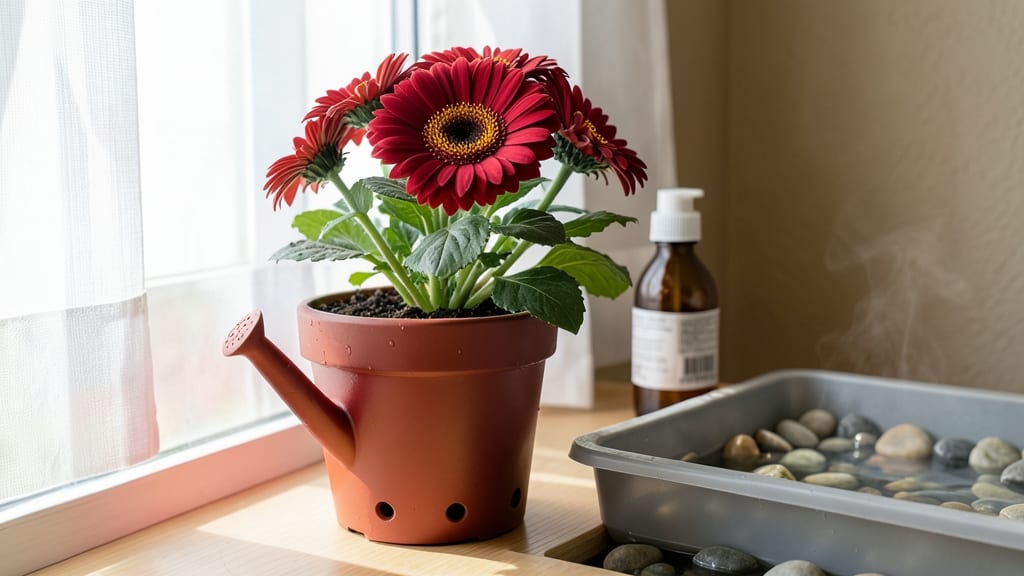
Gerbera plant care indoor thrives when you mimic their natural sunlit habitat—bright light is the single most critical factor for those vibrant blooms you crave. 🌻 I learned this the hard way when my first gerbera struggled to rebloom after Christmas, its leaves stretching toward the window like a plant begging for more. The fix? A south-facing window or grow light just 6-8 inches away, turned on for 12-14 hours daily—no fancy equipment, just consistent light exposure.
Watering feels like walking a tightrope: too little and the roots dry out, too much and the roots rot. I now stick my finger 1 inch deep—if it’s dry, water thoroughly until it drains from the bottom.
Gerberas hate soggy feet, so terracotta pots with drainage holes are my go-to, and I avoid letting them sit in saucers of water. The soil should stay lightly moist, not swampy, and I use a well-draining mix with perlite or sand to keep things airy.
Deadheading spent blooms isn’t just about looks—it’s how you trick your gerbera into producing more flowers. Snip off the faded blooms down to the first set of healthy leaves, and you’ll see new buds forming in 2-3 weeks.
My plants now bloom nonstop from spring to fall when I stay on top of this, and the secret weapon? A small pair of clean scissors kept near the plant so I never skip a day.
Humidity is the wildcard most people overlook. If your air feels as dry as a winter’s day, mist the leaves lightly or place the pot on a pebble tray with water.
My gerbera in the living room (far from the bathroom steam) gets a weekly spritz, and the difference in leaf health is noticeable. Watch for yellowing leaves—usually a sign of overwatering or poor drainage—and brown tips, which mean the air is too dry.
Adjust, and your plant will bounce back faster than you think.
📚 In This Guide
- What you need
- Instructions
- Tips and common mistakes
- Wrapping up and next steps
What you need
- ● Gerbera plant: 1 healthy plant (choose a variety with vibrant blooms like Gerbera jamesonii)
- ● Pot: 1 ceramic or terracotta pot (6–8 inches in diameter) with drainage holes
- ● Well-draining potting mix: 2–3 gallons of a high-quality, moisture-retentive yet aerated mix (e.g., 60% peat moss, 20% perlite, 20% vermiculite)
- ● Drainage tray: 1 shallow tray to catch excess water
- ● Watering can: 1 with a narrow spout for precise watering
- ● Fertilizer: 1 balanced liquid fertilizer (10-10-10 or 20-20-20, diluted to half-strength)
- ● Pruning shears: 1 pair of clean, sharp scissors (sterilized with rubbing alcohol)
- ○ Gloves (optional): 1 pair to protect hands from thorns
- ● Grow lights: 1–2 LED full-spectrum bulbs (if natural light is insufficient)
- ● Humidity tray: 1 pebble tray with water to boost humidity in dry climates
- ● Plant food spikes: Slow-release fertilizer granules for convenience
- ● Decorative pot cover: A saucer or tray to match your home decor
Step-by-step instructions for gerbera plant care indoors
Here's how to keep your gerbera daisies thriving indoors with minimal fuss—no greenhouse expertise required.
🪴 Step 1: Select the Right Pot and Soil Mix
Gerberas need excellent drainage, so choose a container with drainage holes—terracotta pots work best because they wick away excess moisture. The pot should be slightly larger than the root ball, about 2-3 inches wider than the plant's current container. I always use a high-quality potting mix blended with 20% perlite or sand to prevent compaction.
Fill the pot to about 1 inch below the rim with your mix, then tap the container gently to settle the soil without compacting it. The goal is a loose, airy medium that allows roots to breathe. If your mix feels dense, add an extra handful of perlite—gerberas hate soggy roots.
☀️ Step 2: Position for Maximum Light Exposure
Gerberas crave bright, indirect light—think east or west-facing windows where they get morning or afternoon sun. A south-facing window works only if you place the plant 3-4 feet away to avoid leaf scorch. You'll know it's getting enough light when the foliage stays deep green and the buds form regularly.
If your space lacks natural light, supplement with a full-spectrum LED grow light positioned 12-18 inches above the plant for 12-14 hours daily. Watch for leggy growth (long, thin stems with sparse leaves)—this means your light is too far away or too weak. Adjust immediately to prevent permanent stretching.
💧 Step 3: Water with Precision and Consistency
Water gerberas when the top 1-2 inches of soil feel dry to the touch. Stick your finger in the soil—if it's damp below that depth, wait another day. Overwatering is the #1 killer of indoor gerberas, so always let excess water drain completely from the saucer. I empty the saucer 10 minutes after watering to prevent root rot.
Use room-temperature water to avoid shocking the roots. In winter, when indoor air is dry, I mist the leaves lightly once a week to mimic humidity levels. You'll see the difference immediately: crisp, vibrant blooms instead of drooping, wilted petals.
✂️ Step 4: Deadhead and Prune for Continuous Blooms
Deadheading is the secret to nonstop gerbera blooms. As soon as a flower fades, snip the stem ½ inch above the next set of leaves with clean, sharp scissors. This redirects the plant's energy into new buds rather than seed production. I do this every morning—it takes less than a minute per plant and keeps them flowering for months.
If your gerbera gets too leggy, trim back the longest stems by ⅓ their length in early spring. This encourages bushier growth and more blooms. Always use sterilized scissors to prevent spreading disease between cuts. You'll notice new growth within 2-3 weeks—that's your signal the plant is responding well.
🌿 Step 5: Fertilize and Monitor for Pests
Feed your gerbera every 4-6 weeks during the growing season (spring through fall) with a balanced, water-soluble fertilizer diluted to half-strength. I switch to a low-phosphorus formula in winter to avoid promoting weak, leggy growth. Always water the plant thoroughly before fertilizing to prevent root burn.
Check the undersides of leaves weekly for spider mites or aphids—gerberas attract pests when stressed. Wipe leaves with a damp cloth if you spot dust or early signs of infestation. A strong spray of water often dislodges pests before they become a problem. Healthy gerberas develop a natural resistance, so consistent care keeps them pest-free.
Tips & tricks for perfect indoor gerbera care
Between us, these little details make all the difference between a gerbera that thrives and one that fades away.
Drainage is Non-Negotiable: That 2-3 inch wider pot recommendation isn't just about space—it's about creating room for the perlite-sand mix to work its magic. I've seen gerberas drown in pots that look perfectly sized because the soil compacted too much. After repotting, gently press the soil down with your fingers rather than packing it—think "fluffy cloud" not "dense brick."
The Light Secret: Those 12-14 hours of grow light aren't just about duration—they're about positioning. I place my LED light on a timer and mount it to an adjustable bracket. The key is keeping it 12-18 inches above the plant's tallest point, not the soil level. Watch for leaves stretching toward the light—if you see that, lower it immediately. Leggy growth is a cry for help, not a sign of health.
Watering Wisdom: The 10-minute saucer emptying rule is your best friend against root rot. But here's what nobody tells you: use a spray bottle with room-temperature water to mist the soil surface after watering. This mimics natural rainfall and helps prevent the crust that forms on top, which can block moisture from reaching the roots. I do this every other watering, and my plants stay consistently happy.
Pruning Precision: That ½ inch above the leaves when deadheading isn't arbitrary—it's where the next set of buds forms. Use a clean pair of scissors and make the cut at a 45-degree angle to increase surface area for water absorption. For the early spring pruning, I mark the ⅓ length with a piece of tape before cutting—this prevents over-trimming, which can stress the plant. You'll see new growth within 2-3 weeks if you've done it right.
Pro Tips for Gerbera Plant Care Indoor
- Between us, these little details make all the difference between a gerbera that thrives and one that fades away.
- Drainage is Non-Negotiable: That 2-3 inch wider pot recommendation isn't just about space—it's about creating room for the perlite-sand mix to work its magic.
- The Light Secret: Those 12-14 hours of grow light aren't just about duration—they're about positioning.
Frequently asked questions
Got questions about keeping your Gerbera daisy thriving indoors? You’re not alone! Here are answers to the most common concerns—from light struggles to pests and beyond.
How much light do gerbera plants really need indoors?
Gerberas crave bright, indirect light (6+ hours daily). A south- or west-facing window is ideal, but avoid harsh direct sun, which can scorch petals. If your space is dim, supplement with a grow light 12 inches above the plant for 12–14 hours/day. Signs of too little light? Leggy stems and sparse blooms.
Why aren’t my gerbera flowers lasting long?
Gerberas are short-lived bloomers—expect flowers to drop in 5–7 days (normal!). To encourage more blooms, deadhead spent flowers (snip stems below the wilted bloom) and fertilize lightly every 4–6 weeks with a balanced liquid fertilizer (10-10-10). Pro tip: Avoid overwatering; soggy soil speeds up wilting.
What’s eating my gerbera leaves, and how do I stop it?
Common culprits: aphids, spider mites, or slugs (yes, even indoors!). Wipe leaves with neem oil or insecticidal soap for pests. For slugs, set out beer traps or diatomaceous earth near the pot. Prevent future issues by keeping humidity moderate (40–60%) and avoiding overwatering.
Can I grow gerberas in water instead of soil?
Not ideal! Gerberas thrive in well-draining soil (like a mix of potting soil + perlite). While you can try a water propagation hack (place stem cuttings in water with a rooting hormone), they rarely bloom well long-term. Stick to soil for best results—just keep it moist but not soggy (water when the top inch feels dry).
Why are my gerbera leaves turning yellow?
Yellow leaves usually mean overwatering or poor drainage. Let the soil dry slightly between waterings, and ensure the pot has drainage holes. Other causes? Chlorosis (iron deficiency—use a chelated iron supplement) or cold drafts (keep temps above 55°F). Quick fix: Trim yellow leaves at the base to redirect energy to healthy growth.
Wrapping up and next steps
Caring for a gerbera plant indoors is a rewarding journey that brings bursts of color and joy to your space! With the right balance of bright, indirect light, consistent watering, and a little deadheading love, your gerberas will thrive like a pro.
Remember, these cheerful blooms are low-maintenance champions—just give them attention, and they’ll repay you with stunning, long-lasting flowers.
Ready to watch your gerbera flourish? Start by picking your favorite variety and set up its perfect spot today—your indoor garden awaits! 🌸✨