
Container Gardens
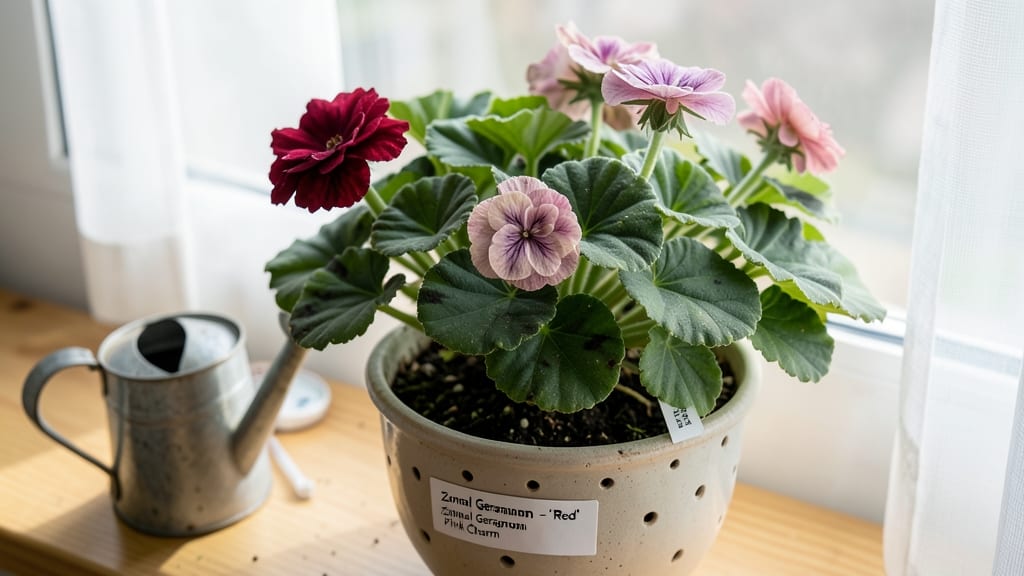
Wintering geraniums indoors keeps their fragrance alive all year. 🌿 I’ve saved mine for five seasons now, and the secret is in the light, timing, and a few strategic cuts—no fancy equipment needed.
The key is catching them before the first frost, pruning back one-third of the stems, and giving them a bright spot (south-facing window or grow lights). Overwatering is the #1 killer—let the top inch of soil dry out completely between waterings.
I’ve lost plants to soggy roots, but once you master this, your geraniums will reward you with blooms even in January. By spring, you’ll have bushier plants ready for repotting or moving back outside.
The fragrance alone makes it worth the effort—imagine snipping fresh leaves for summer bouquets from your own winter survivors. Just avoid sudden temperature swings when transitioning back outdoors. This method works for zonal geraniums (the hardy ones) and even some scented varieties.
The trick is patience—your plants will thank you with vibrant blooms come spring.
📚 In This Guide
- What you need
- Instructions
- Tips and common mistakes
- Wrapping up and next steps
What you need
- ● Geranium plants: Healthy, pest-free plants (1-3 per container, depending on size)
- ● Containers: Well-draining pots (6-8 inches in diameter) with drainage holes; terracotta or ceramic works best
- ● Potting mix: Lightweight, well-draining soil mix (e.g., 60% potting soil + 40% perlite or sand)
- ● Pruning shears: Sharp, clean shears (sterilized with rubbing alcohol)
- ● Fertilizer: Balanced, water-soluble fertilizer (5-10-5 or 10-10-10, diluted to half-strength)
- ○ Spray bottle: For misting leaves (optional but helpful for humidity)
- ● Grow lights: LED or fluorescent lights (12-16 hours/day) if natural light is insufficient
- ● Humidity tray: A shallow tray with pebbles and water to boost moisture levels
- ● Plant supports: Small stakes or cages for leggy stems (if needed)
- ● Fungicide: Copper-based or neem oil spray (preventative measure for indoor fungi)
- ● A bright, cool spot (50-65°F) with indirect light (e.g., near a south- or west-facing window)
- ● Time to prune and inspect plants for pests/disease before bringing them indoors
- ● Patience for gradual adjustments (avoid sudden temperature/light changes)
Step-by-Step instructions for wintering geraniums indoors
Here's how to keep your geraniums thriving through winter with minimal fuss.
🪴 Step 1: Select Healthy Plants and Prepare for Transition
Choose the healthiest, most vigorous geraniums from your garden—look for plants with compact growth, deep green leaves, and no signs of pests or disease. Avoid overcrowded plants, as they struggle more during the transition. I like to select varieties with strong stems and plentiful foliage, as these handle indoor conditions best.
Two weeks before moving indoors, gradually reduce watering to harden off the plants. Allow the top 1-2 inches of soil to dry between waterings. This prevents root shock when you move them inside. Trim back any leggy or overgrown stems by about ⅓ to encourage bushier growth indoors.
✂️ Step 2: Prune and Clean for Indoor Success
Give your geraniums a thorough trim before bringing them inside. Use clean, sharp pruners to cut back stems by ⅓ to ½ their length. Focus on removing any dead, yellowed, or crowded growth. This ensures the plant redirects energy to new growth rather than maintaining old stems. I always sterilize my pruners with rubbing alcohol to prevent spreading disease.
Remove any flowers or buds present—this prevents the plant from wasting energy on blooming indoors. You'll see fresh, vibrant new growth emerge within 2-3 weeks as the plant adjusts. This is also a great time to check for pests like spider mites or aphids. If you spot any, treat with neem oil before bringing the plants inside.
☀️ Step 3: Transition to Indoor Light and Humidity
Place your geraniums near the brightest window in your home, ideally a south- or west-facing one. Geraniums need at least 6 hours of direct light daily to thrive indoors. If natural light is insufficient, supplement with a grow light for 12-14 hours per day. You'll notice leaves turning pale or stems stretching toward the light if they're not getting enough.
Reduce humidity around your geraniums by placing them on a gravel tray with water or using a small pebble pot. This mimics their natural dry conditions and prevents fungal issues. Water only when the top 1 inch of soil feels dry—geraniums hate soggy roots. Cut back on fertilization during winter, as growth slows naturally.
💧 Step 4: Maintain Through Winter and Prep for Spring
Keep your geraniums in a cool but not cold spot, ideally between 55-65°F. Avoid drafts or sudden temperature swings, which stress the plants. Prune lightly again in late winter to shape the plant and encourage fresh growth. You can pinch back new growth to promote bushier stems if needed.
By early spring, you'll see new buds forming. This is your cue to gradually reintroduce them to outdoor conditions. Start by placing them outside for a few hours a day, increasing exposure over 2 weeks. Once all danger of frost has passed, replant them in the garden. With proper care, your geraniums will bloom beautifully for years to come.
Tips & tricks for perfectly wintering geraniums indoors
These small adjustments make all the difference when transitioning your geraniums from garden to home.
Light Placement Strategy: In Step 3, when you're positioning your geraniums by the brightest window, pay special attention to east-facing windows if you don't have south or west exposure. East windows provide gentle morning light that's perfect for geraniums, though you'll need to supplement with a grow light for the required 12-14 hours during shorter winter days. I've found that rotating plants quarter-turn daily ensures even growth toward the light source.
Pruning Precision: When trimming in Step 2, focus on making cuts just above leaf nodes where new growth emerges. This encourages bushier plants rather than leggy stems. For particularly overgrown plants, you can do a second light trim 2-3 weeks after your initial pruning to maintain shape during winter. Remember to always use sterilized tools to prevent introducing pathogens.
Transition Timing: The two-week water reduction in Step 1 is crucial—don't rush this process. Gradually reducing water helps harden off the plants and prevents root shock when you move them indoors. I've seen plants with sudden water changes develop yellow leaves or even drop buds prematurely. Start this process when you notice nighttime temperatures consistently dropping below 55°F.
Humidity Management: While Step 3 mentions gravel trays, I've found that placing a small fan on low setting near your geraniums helps circulate air and prevent fungal issues. Geraniums thrive in dry conditions, and this mimics their natural Mediterranean habitat. Just avoid direct airflow on the leaves which can cause browning.
Pro Tips for Geraniums Wintering Indoors
- These small adjustments make all the difference when transitioning your geraniums from garden to home.
- Light Placement Strategy: In Step 3, when you're positioning your geraniums by the brightest window, pay special attention to east-facing windows if you don't have south or west exposure.
- Pruning Precision: When trimming in Step 2, focus on making cuts just above leaf nodes where new growth emerges.
Frequently asked questions
Got questions about keeping your geraniums cozy indoors this winter? You’re not alone! Here are some of the most common concerns—and straightforward answers to help you avoid stress and keep those blooms thriving.
When is the best time to bring geraniums indoors before winter?
Move potted geraniums indoors before the first frost hits—typically late September to early November, depending on your climate. Watch for nighttime temps dropping below 50°F (10°C). Early action prevents cold damage and gives plants time to adjust to indoor light.
Can geraniums survive winter indoors without extra light?
Probably not! Geraniums need bright, indirect light (6+ hours daily) to survive winter. South-facing windows or grow lights are ideal. Without enough light, they’ll stretch leggy, lose leaves, and stop blooming. Rotate pots weekly for even exposure.
How often should I water geraniums indoors in winter?
Water less frequently in winter—about every 1-2 weeks, letting the top inch of soil dry out completely. Overwatering causes root rot in cool, damp indoor air. Use well-draining pots and saucers to prevent soggy soil.
Why are my indoor geraniums getting pests (like spider mites)?
Indoor environments—especially dry ones—attract pests like spider mites. Isolate affected plants, wipe leaves with a damp cloth, and spray with neem oil or insecticidal soap. Increase humidity (pebble trays help!) to deter future infestations.
Will my geraniums bloom again after wintering indoors?
Yes! Prune leggy stems in early spring (after last frost) and fertilize lightly to encourage new growth. Place them back in bright light and gradually reintroduce them to outdoor conditions. With care, they’ll reward you with vibrant blooms come summer!
Wrapping up and next steps
Wintering your geraniums indoors is a rewarding way to enjoy their vibrant blooms and fragrant leaves year-round—with just a little care! By following the right steps—like trimming, adjusting light, and monitoring humidity—you’ll keep them thriving until spring. Don’t let winter steal your green thumb joy!
Now that you’re ready to bring your geraniums inside, take action:
- 🌱 Pick your plants and prep their new indoor home today.
- 📅 Mark your calendar for spring repotting (around late winter).
- 💬 Share your tips—tag us in your winter geranium pics!