
Tools
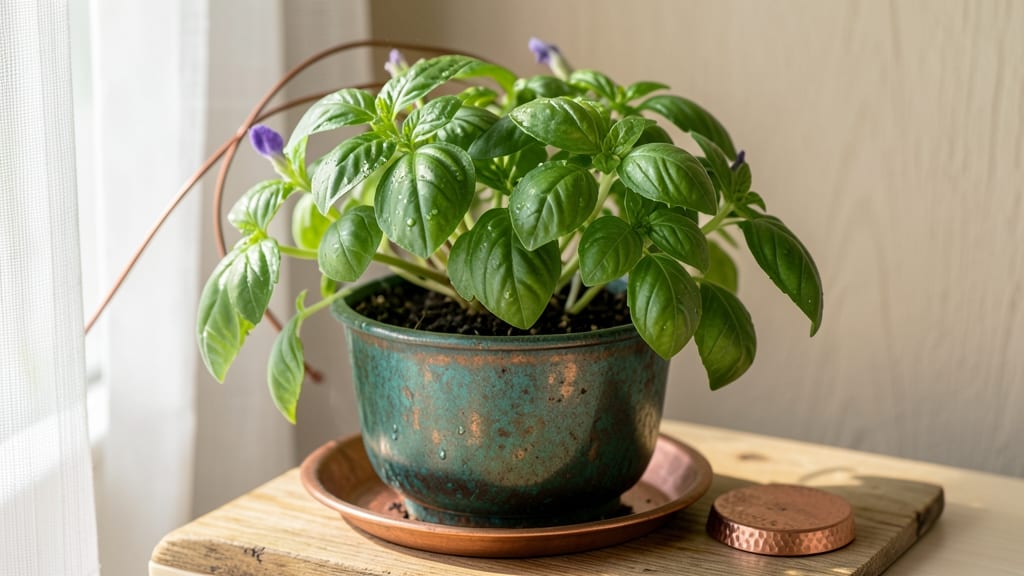
Indoor copper planters bring warmth and elegance to any space, turning houseplants into statement pieces. 🌿 I fell in love with them after seeing how their rich patina transformed a simple shelf into a focal point—especially with trailing pothos or fragrant herbs growing inside.
The key to keeping them looking stunning is simple maintenance: a light coat of mineral oil every few months prevents tarnish, and placing them near indirect light keeps plants thriving. Copper’s natural antimicrobial properties even help deter pests, making it a practical choice too.
You’ll end up with lush greenery that feels like a luxury, not just a plant. The patina develops beautifully over time, adding character to your decor while the plants stay healthy and vibrant all year round.
Works for any indoor style—from cozy farmhouse to sleek modern—just pair with the right plants like succulents, herbs, or trailing vines. Here’s how to style and care for them properly!
📚 In This Guide
- What you need
- Instructions
- Tips and common mistakes
- Wrapping up and next steps
What you need
- ● Copper sheets or copper planter blanks: 18–24 gauge, 12"x12" or larger (adjust size based on planter dimensions). Pro tip: 💡 Pre-cut sheets save time!
- ● Non-toxic solder: ½ lb tin-lead or lead-free (e.g., 60/40 or 50/50 blend).
- ● Flux paste: Rosin-based or acidic flux (1 small bottle).
- ● Sandpaper: 120-grit, 220-grit, and 400-grit (for smoothing).
- ● Wire brush: Stainless steel or brass (for cleaning copper).
- ● Drill & bits: ⅛" and ¼" (for drainage holes).
- ● Hammer: Small mallet or ball-peen hammer (for shaping).
- ● Copper rivets or screws: ½" long (for securing seams).
- ● Drainage gravel or pebbles: 1–2 lbs (for planter base).
- ● Potting soil & plants: Your choice of greenery!
- ● Copper patina solution: Liver of sulfur or vinegar + salt (for aging look).
- ● Clamps: For holding seams while soldering.
- ● Heat gun or torch: Butane or propane (for shaping or patina).
- ● Wooden or silicone molds: For custom shapes (e.g., waves, squares).
- ● Clear sealant: Polyurethane or beeswax (to protect copper).
- ● Decorative elements: Copper nails, chains, or engraving tools (for flair!).
How to style copper planters for indoor greenery
Copper planters bring warmth and character to any space—here’s how to style them for lush, year-round plants.
🪴 Step 1: Choose Plants That Thrive in Copper
Copper’s natural properties make it ideal for moisture-loving plants like ferns, ivy, or calatheas. These thrive in the slightly acidic, mineral-rich environment copper creates over time. Avoid succulents—they’ll rot in copper’s retained moisture. I always opt for plants with glossy leaves to highlight copper’s rich patina.
Check your plant’s care tag for medium to high humidity needs—copper planters excel in these conditions. If your home runs dry, pair the planter with a pebble tray underneath. You’ll see the difference within weeks as leaves stay vibrant and crisp.
☀️ Step 2: Position for Light and Airflow
Place copper planters near bright, indirect light—they conduct heat, so direct sun can scorch leaves. A north- or east-facing windowsill works best. If your space is dim, supplement with a grow light kept 12-18 inches away to avoid overheating the metal.
Copper needs airflow to prevent stagnant moisture. Never crowd it with other planters—leave 2-3 inches of space around the edges. You’ll notice condensation forming on the outside; this is normal and actually helps regulate humidity for your plant.
💧 Step 3: Water and Maintain the Patina
Water copper planters only when the top inch of soil feels dry—copper retains moisture longer than ceramic. Use room-temperature water to avoid shocking the roots, and always water until liquid drains from the bottom. I like to set the planter in a saucer for 10 minutes, then empty it to prevent root rot.
To enhance copper’s patina, wipe the exterior with a damp cloth weekly. Over time, you’ll develop a beautiful verdigris finish that complements your greenery. Just avoid harsh cleaners—they strip the natural oxidation process that gives copper its character.
✂️ Step 4: Prune and Refresh Seasonally
Trim leggy growth every 4-6 weeks to encourage bushier plants. Copper planters hold moisture well, so prune just before watering to reduce stress. I snip with clean scissors and compost the clippings—copper’s antimicrobial properties keep them fresh longer than in other containers.
Every 3-4 months, refresh the soil with a light top-dressing of fresh potting mix. Copper leaches minerals over time, so this keeps your plants thriving. Choose a well-draining mix to prevent soggy soil—copper’s conductivity means it stays damp longer than you’d expect.
Tips & tricks for perfect copper planter styling
Here's what nobody tells you about making copper planters truly shine with your indoor greenery.
Plant Selection Matters: When choosing plants for copper containers, look for varieties that appreciate humidity like ferns or philodendrons. The copper's natural mineral leaching creates a slightly acidic environment that these plants adore. I've found that plants with dark, glossy leaves show off copper's patina beautifully—think monstera or calatheas. Avoid anything with fuzzy leaves, as copper's antimicrobial properties can make them look dull over time.
Lighting Strategy: That 12-18 inch distance for grow lights is crucial—any closer and you'll overheat the copper, which can scorch leaves. I like to position my grow lights on a timer for 6-8 hours daily to mimic natural light cycles. For natural light, east-facing windows provide perfect morning light without the harsh afternoon sun that can overheat copper's conductive surface.
Watering Wisdom: The 10-minute saucer drain trick is a game-changer for preventing root rot in copper planters. Copper holds moisture differently than ceramic, so always check that top inch of soil before watering. I've learned to water in the morning so excess moisture has time to evaporate before nightfall, which helps prevent fungal issues in the damp environment copper creates.
Patina Preservation: That weekly damp cloth wipe isn't just about cleaning—it's about encouraging the verdigris finish that develops over time. Use a soft, microfiber cloth to avoid scratching the surface, and always wipe in the direction of the copper's grain. I've noticed that planters in kitchens or bathrooms develop their patina faster due to the natural humidity, so embrace that rustic charm rather than fighting it!
Pro Tips for Copper Planters Indoor
- Here's what nobody tells you about making copper planters truly shine with your indoor greenery.
- Plant Selection Matters: When choosing plants for copper containers, look for varieties that appreciate humidity like ferns or philodendrons.
- Lighting Strategy: That 12-18 inch distance for grow lights is crucial—any closer and you'll overheat the copper, which can scorch leaves.
Frequently asked questions
Got questions about bringing copper planters indoors? You’re not alone! Here are some common queries—and their answers—to help you make the most of your rustic greenery setup.
Are copper planters safe for indoor plants?
Yes! Copper is non-toxic and safe for plants, but avoid using copper sulfate or other chemical treatments on the planter itself. Just ensure your planter is food-safe (if used for edibles) and free of sharp edges. A light patina adds character over time—no need to polish it unless you prefer a shiny look.
How do I prevent copper planters from rusting or tarnishing indoors?
Copper naturally develops a patina, which is harmless and even adds to the aesthetic. To slow tarnishing, store planters in a dry area and wipe them occasionally with a soft cloth. For a quick shine, use a mix of vinegar and baking soda (1:1 ratio), but avoid harsh chemicals that could harm plants.
Can I use copper planters for all types of indoor plants?
Copper planters work well for most plants, but avoid using them for acid-loving plants (like azaleas or blueberries) long-term, as copper can leach slightly in acidic soils. Opt for neutral or alkaline soil mixes. Succulents, herbs, and ferns thrive in copper planters—just monitor drainage to prevent root rot.
Are copper planters heavier than other materials?
Copper is dense, so larger planters can be surprisingly heavy—especially when filled with soil and plants. If mobility is a concern, choose smaller sizes or opt for copper-plated (thinner) versions. Always lift with your legs, not your back, to avoid strain.
What’s a budget-friendly alternative to solid copper planters?
If copper is out of your price range, consider copper-plated steel or brass for a similar look. For a more affordable rustic vibe, try tin, galvanized metal, or even painted wood with a coppery finish. Just ensure any alternative is safe for your plants and doesn’t leach harmful chemicals.
How do I clean a copper planter without damaging it?
For everyday care, a damp cloth and mild soap work wonders. For deeper cleaning, use a paste of baking soda and water (scrub gently, then rinse). Avoid abrasive pads or bleach, which can scratch or discolor the metal. Pat dry thoroughly to prevent water spots.
Wrapping up and next steps
Transforming your indoor space with copper planters isn’t just about aesthetics—it’s a celebration of natural beauty that thrives year-round. Their rustic charm, durability, and eco-friendly appeal make them a perfect choice for plant lovers and design enthusiasts alike.
Whether you’re a seasoned gardener or just starting your green journey, these planters add warmth and character to any room while keeping your plants happy and healthy.
Ready to bring that cozy, earthy vibe into your home? Start small—pick a few copper planters, choose your favorite greenery, and let your creativity grow! 🌿✨