
Pruning
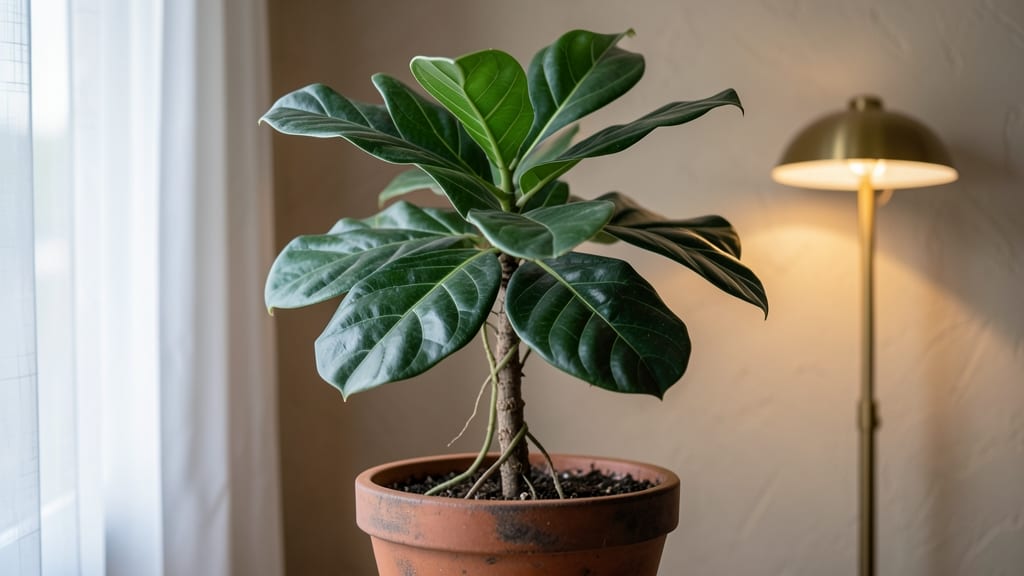
My fiddle fig tree indoor has taught me that lush, year-round foliage isn't luck—it's three simple pruning hacks that turn a temperamental plant into a showstopper. 🌿 The key isn't just trimming; it's understanding how fiddle figs respond to light, water, and air flow after each cut.
I went from struggling with leggy branches to a tree that looks like a tropical vacation in my living room.
Start with bright, indirect light—this plant craves it but burns easily. Water only when the top 2 inches of soil are dry, and use a well-draining mix with perlite to prevent soggy roots.
Humidity matters too: wipe leaves weekly to mimic its rainforest home. The pruning itself is where the magic happens—focus on shaping, not size, and always cut just above a leaf node.
After pruning, you'll see new growth within 4-6 weeks, with glossier leaves and a fuller shape. Yellowing leaves? Too much water or cold drafts. Brown edges?
Low humidity or fluoride in tap water. With these adjustments, my fiddle fig now thrives year-round, and the pruning process itself becomes satisfying, not stressful.
Works for any indoor space—just adjust light and humidity to your home. The same principles apply whether you're shaping a small tabletop tree or a 6-foot statement plant. Let's get growing!
📚 In This Guide
- What you need
- Instructions
- Tips and common mistakes
- Wrapping up and next steps
What you need
- ● Fiddle fig tree (Ficus lyrata) – A healthy, mature plant (3+ years old for best pruning results).
- ● Pruning shears or bypass pruners – Sharp, clean tools (sterilize with rubbing alcohol before/after use).
- ● Gloves – Heavy-duty gardening gloves (fiddle fig sap can irritate skin).
- ○ Rooting hormone (optional but recommended) – A gel or powder to boost propagation success.
- ● Well-draining potting mix – A blend of peat, perlite, and orchid bark (or a high-quality African violet mix).
- ● 6-inch pots or propagation trays – For cuttings (2–3 per cutting).
- ● Spray bottle with water – To mist cuttings and maintain humidity.
- ● Clear plastic bag or humidity dome – Helps retain moisture for new cuttings.
- ● Disinfectant (hydrogen peroxide or alcohol wipes) – For cleaning tools and wounds.
- ● Pruning sealant (like tree wound dressing) – Speeds up healing on larger cuts.
- ● LED grow lights – If your space lacks bright, indirect light.
- ● Humidifier or pebble tray – Keeps air moisture high for recovery.
- ● Notebook & pen – To track pruning dates and growth progress!
How to prune your fiddle fig tree for year-round lushness
Here's how to keep your fiddle leaf fig thriving with simple pruning techniques that encourage fuller growth and healthier leaves.
✂️ Step 1: Identify and Remove Dead or Yellowing Leaves
Start by examining your fiddle fig from top to bottom. Look for leaves that are completely brown, crispy, or yellowed with no green at all—these are dead and need to be removed immediately. I always use clean, sharp pruning shears to make a clean cut just above the leaf stem where it meets the branch.
Don't skip this step just because the leaves look ugly. Dead leaves can harbor pests and diseases that might spread to healthy foliage. You'll notice new growth appearing within a few weeks after removing these leaves, signaling your plant is focusing energy on fresh leaves.
✂️ Step 2: Prune for Shape and Airflow
Next, shape your fiddle fig by trimming back any leggy stems or branches that are growing too long or thin. Focus on cuts made just above a leaf node—this is where new growth will sprout. I like to step back and look at the plant from all angles to decide which branches need trimming for better balance.
This isn't just about looks—better airflow between branches prevents fungal issues. Aim to remove about 10-15% of the plant's total foliage in one session. You'll see denser growth in the areas you prune, as the plant redirects energy to fill out those spots.
✂️ Step 3: Propagate Healthy Cuttings
When you prune, don't throw away those healthy cuttings! Take 4-6 inch sections with at least 2-3 leaves and a node. Remove the lower leaves, leaving just one or two at the top. Dip the cut end in rooting hormone (if you have it) and place it in a small container with moist potting mix or water.
Keep the cutting in bright, indirect light and maintain 70-75°F temperatures. In about 4-6 weeks, you'll see new roots forming—this is your signal to transplant the cutting into its own pot. This simple step gives you free plants to share or expand your collection!
💧 Step 4: Post-Pruning Care
After pruning, give your fiddle fig a thorough watering to help it recover. Water until you see moisture draining from the bottom of the pot, but don't let it sit in water. Reduce watering slightly for the first week after pruning—your plant needs time to focus on healing rather than absorbing excess moisture.
Place your fiddle fig in a spot with bright, indirect light for the next few weeks. You'll notice new growth emerging from the nodes where you made cuts within 2-4 weeks. This is your plant's way of telling you it's happy and healthy after its trim!
Tips & tricks for perfect indoor fiddle fig pruning
Here's what nobody tells you about keeping your fiddle fig looking its best after pruning.
Tool Prep: Before you even touch your plant, sterilize your pruning shears with rubbing alcohol. I learned this the hard way after noticing new brown spots appearing on leaves I'd just pruned—turns out, old tools can transfer bacteria. Wipe them down between cuts too, especially when working with multiple branches.
The 10-15% Rule: That 10-15% foliage guideline in Step 2 is your safety net. If you're unsure how much to trim, take photos first! Compare your plant's current state to photos after pruning—you'll see how much volume you've actually removed. Remember, fiddle figs bounce back faster than you think, but don't overdo it in one session.
Propagation Hack: For the cuttings in Step 3, I've found that using a clear plastic bag over the propagation container creates a mini greenhouse effect. Place it in bright indirect light and mist the soil daily—you'll see roots forming in just 3-4 weeks instead of the full 4-6 weeks. Just remove the bag once roots appear to harden off the new plants.
Light Recovery: After pruning, your plant needs that bright indirect light from Step 4, but here's the secret: rotate your plant ¼ turn every few days. This ensures even growth as your fiddle fig recovers, preventing lopsided development. You'll notice new leaves emerging with consistent shape and color all around the plant.
Pro Tips for Fiddle Fig Tree Indoor
- Here's what nobody tells you about keeping your fiddle fig looking its best after pruning.
- Tool Prep: Before you even touch your plant, sterilize your pruning shears with rubbing alcohol.
- The 10-15% Rule: That 10-15% foliage guideline in Step 2 is your safety net.
Frequently asked questions
Got questions about keeping your fiddle fig tree thriving indoors?
You’re not alone! Here are some of the most common queries—and their practical solutions—to help you master year-round care and pruning.
How often should I prune my fiddle fig tree indoors?
Prune your fiddle fig tree lightly every 2–3 months to encourage bushier growth and remove dead or yellowing leaves. For structural shaping, do a more thorough trim in early spring (before new growth starts). Avoid heavy pruning in winter, as the plant slows down. Pro tip: Use clean, sharp shears to prevent disease!
Can I propagate fiddle fig cuttings from my indoor tree?
Take 4–6 inch cuttings from healthy stems (just below a leaf node) and dip them in rooting hormone. Place in well-draining soil or water, keeping humidity high. Roots should form in 4–8 weeks. Best time: Spring or early summer when the plant is actively growing. Skip the lower leaves to avoid rot!
Why are my fiddle fig leaves turning yellow or brown?
Yellowing leaves often signal overwatering or low light. Brown edges? It’s likely underwatering or dry air. Check soil moisture (top inch should dry out between waterings) and move the plant to bright, indirect light. Mist leaves or use a pebble tray to boost humidity!
Is a fiddle fig tree safe for pets or kids?
Fiddle fig trees (Ficus lyrata) are non-toxic to pets and humans, making them a pet-friendly choice. However, ingesting large amounts may cause mild stomach upset. Always monitor curious pets and keep plants out of reach for safety.
What’s the best alternative if my fiddle fig isn’t thriving?
If your fiddle fig struggles with light or humidity, consider these low-maintenance indoor trees:
- Snake Plant (Sansevieria): Thrives in low light and drought.
- ZZ Plant (Zamioculcas zamiifolia): Nearly indestructible and pet-safe.
- Rubber Plant (Ficus elastica): Similar care but more forgiving.
Wrapping up and next steps
Growing a fiddle fig tree indoors is a rewarding journey that brings natural beauty and serenity to your space—especially with the right pruning hacks! 🌿 By mastering light trimming, shaping cuts, and strategic propagation, you’ll keep your plant thriving year-round while encouraging lush, vibrant growth.
Remember, confidence comes with practice, so don’t hesitate to experiment and learn from each session.
Ready to take your fiddle fig to the next level? Start small: pick one pruning technique to refine this week, and soon, you’ll be a pro at crafting the perfect indoor jungle! 🌱