
Planting
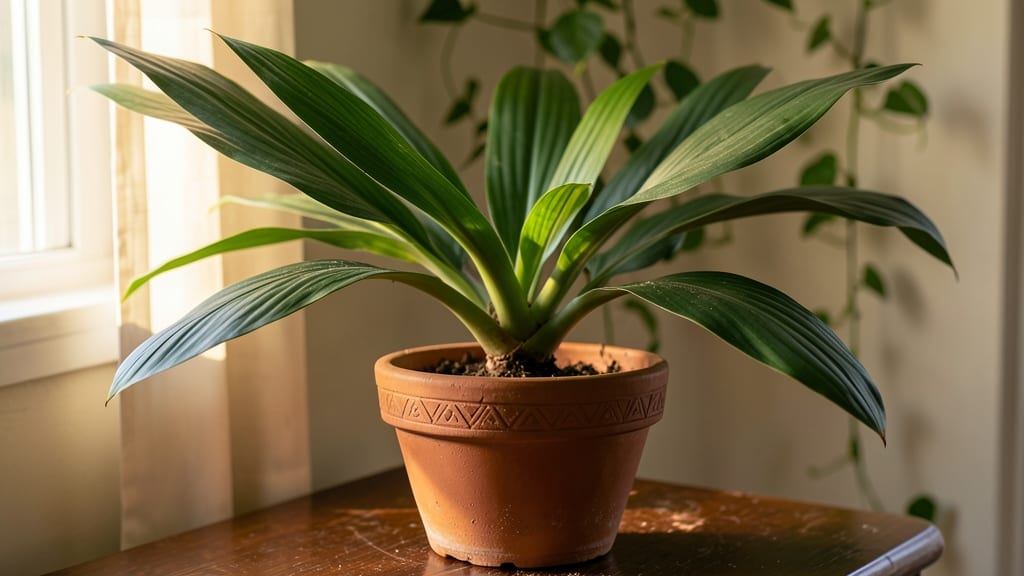
Growing a birds of paradise plant indoors means bringing that dramatic tropical drama into your home year-round—no greenhouse required. 🌿 I’ve kept mine thriving for five years by mastering just three light hacks that prevent those sad, leggy stems and keep the iconic orange-and-blue blooms coming.
The secret isn’t fancy equipment—it’s about bright, indirect light and a little strategic rotation. Place it near an east or south-facing window where it gets 6+ hours of light daily, but shield it from harsh afternoon sun that can scorch those lush leaves.
If your space is dim, supplement with a grow light for 12-14 hours a day, and watch it reward you with glossy, upright growth instead of stretching toward the ceiling.
By summer, you’ll see those signature 3-foot-tall blooms emerge, followed by new foliage that stays velvety and deep green—not the yellowed, crispy mess that happens when light or watering goes wrong. The plant’s natural humidity needs mean a quick misting or pebble tray keeps it happy without fuss.
Whether you’re dealing with a cramped apartment or a drafty conservatory, these adjustments work. Here’s how to keep yours looking like a jungle showstopper all year.
📚 In This Guide
- What you need
- Instructions
- Tips and common mistakes
- Wrapping up and next steps
What you need
- ● Birds of Paradise Plant: 1 mature plant (3–5 ft tall, available at nurseries or online)
- ● OR 1–2 healthy cuttings (6–12 inches long, with nodes)
- ● OR Seeds (if propagating from scratch—germination takes 4–8 weeks!)
- ● Pot & Drainage: 1 large ceramic or terracotta pot (18–24 inches in diameter, with drainage holes)
- ● 1–2 potting saucers (to catch excess water)
- ● Soil Mix: 5–7 gallons of well-draining potting mix (e.g., African violet mix + perlite or orchid bark)
- ○ Optional: 1 cup of orchid bark chips or coir for aeration
- ● Tools for Repotting/Planting: 1 trowel or spade (for digging and transplanting)
- ● 1 pruning shears (sterilized, for trimming roots or cuttings)
- ● 1 gloves (to protect hands from soil and sharp edges)
- ● Growth Boosters: 1 bottle of balanced liquid fertilizer (20-20-20 or similar, diluted to half-strength)
- ● 1 packet of rooting hormone (if propagating from cuttings)
- ● Decor & Care: 1 moisture meter (to monitor soil hydration)
- ● 1 self-watering system (e.g., a wick or drip irrigation kit)
- ● 1 humidity tray (for tropical-like conditions)
Step-by-Step instructions for growing birds of paradise indoors
Here’s how to keep your Strelitzia nicolai thriving inside—even when natural light falls short.
☀️ Step 1: Position for Maximum Brightness
Birds of paradise demand bright, indirect light—think east or south-facing windows where they’ll bask in 6+ hours of sunlight daily. If your space lacks natural light, supplement with a grow light positioned 12-18 inches above the plant for 12-14 hours per day. Without enough light, leaves will pale and stretch toward the window—a clear sign your plant is starving for photons.
Rotate the pot quarter-turn weekly so all sides receive even exposure. You’ll notice new growth leaning toward the light? That’s your cue to adjust the plant’s position or move the grow light closer. These tropical beauties can tolerate direct morning sun, but afternoon rays (especially south-facing) may scorch their broad leaves—watch for crispy edges as a warning.
🪴 Step 2: Choose the Right Container and Soil Mix
Select a wide, shallow pot (at least 12 inches in diameter) with drainage holes—these plants despise soggy roots. I use a terracotta pot because it breathes, preventing moisture buildup that leads to root rot. Fill the container with a well-draining mix: combine 50% peat moss or coconut coir, 30% perlite or pumice, and 20% orchid bark for aeration.
Birds of paradise prefer slightly acidic to neutral soil (pH 6.0-7.0). If your tap water is hard, use filtered or distilled water to avoid mineral buildup in the soil. The first watering should be deep but thorough—let water run through the drainage holes until it exits the bottom. This ensures the root ball settles and eliminates air pockets that could strangle roots.
💧 Step 3: Water Deeply but Infrequently
Let the top 2-3 inches of soil dry out completely between waterings—stick your finger in the soil to check. Overwatering is the #1 killer of indoor birds of paradise, causing yellowing leaves and mushy stems. When you water, soak the soil until it’s damp 6 inches down, then let excess drain away. Empty the saucer after 10 minutes to prevent root suffocation.
In winter, reduce watering to every 7-10 days—these plants enter a natural dormancy when light levels drop. Watch for drooping leaves as a sign of thirst, but wrinkled or crispy leaves mean you’ve waited too long. Humidity helps, so place the pot on a pebble tray with water or use a humidifier nearby, especially if your home’s air feels dry from heating.
✂️ Step 4: Prune and Fertilize for Year-Round Growth
Trim yellow or damaged leaves at the base with sterilized pruners to redirect energy to new growth. Remove flower stalks after they fade—they sap nutrients the plant could use for foliage. If your plant grows taller than its container, prune the top 1/3 of the stem just above a leaf node to encourage bushier growth. This is also the time to repot every 2-3 years if roots circle the pot.
Feed with a balanced liquid fertilizer (10-10-10 or 20-20-20) diluted to half-strength every 4-6 weeks during spring and summer. In fall and winter, cut back to monthly applications or skip fertilizing entirely—your plant will thank you with fewer brown leaf tips. Always water the soil before fertilizing to prevent root burn from concentrated nutrients.
🌱 Step 5: Encourage Blooms with Strategic Care
Birds of paradise bloom best with consistent light and temperature stability—keep them in a space where temps stay between 65-80°F. If your home dips below 55°F at night, move the plant away from drafty windows or use a space heater (safely!) to maintain warmth. These plants need time to mature—they typically bloom 3-5 years after planting, so patience is key.
When flower buds form, reduce fertilizer to quarter-strength to avoid leafy growth at the expense of blooms. Once the orange-and-blue blooms fade, cut the stalk back to the base—this encourages a stronger stalk next season. With the right light and care, your indoor bird of paradise can produce stunning blooms year after year, even in low-light spaces.
Tips & tricks for thriving indoor birds of paradise
Between us, these tropical divas reward patience with dramatic foliage—but only if you nail a few key details. Here’s how to avoid the pitfalls I’ve seen ruin even the most promising plants.
Light Hack for Low-Light Spaces: If your grow light isn’t cutting it after 12-14 hours, try moving it closer—start at 12 inches and adjust downward until you see new growth responding. I’ve had to drop mine to just 9 inches for stubborn plants, and the difference in leaf vibrancy is night-and-day. Watch for leaves that stretch toward the light (called etiolation)—that’s your plant’s SOS signal for more photons. The morning sun tolerance mentioned in Step 1? That’s your safety net—rotate the plant quarter-turn weekly so all sides get equal morning light exposure, even if you’re supplementing with artificial light.
Soil Science You Can’t Skip: That 50-30-20 soil mix isn’t just arbitrary—it’s about aeration and drainage. After repotting, press down gently to eliminate air pockets, but don’t compact the mix like you’re making a brick. I learned this the hard way when my first bird of paradise developed root rot despite drainage holes—turns out the soil was too dense. For the first watering, let that water run through until it exits the bottom. This isn’t optional; it’s how you prevent root suffocation from the get-go. And if you’re using tap water, test for hardness first—mineral buildup in that well-draining mix will clog pores faster than you can say "crispy edges."
Winter Survival Mode: The 7-10 day watering schedule in winter is non-negotiable, but here’s the secret: check soil moisture by feel, not by calendar. Stick your finger 2 inches down—if it’s dry, water thoroughly; if it’s still damp, wait another day. Drooping leaves mean you’re too late, but wrinkled leaves? That’s the plant screaming for water. Pro tip: Group your bird of paradise with other tropical plants near a humidifier. The increased humidity mimics their native environment and cuts down on the crispy-edge scorch risk from dry winter air.
Bloom Trigger You Might Miss: That 3-5 year bloom timeline? It’s real, but you can fast-track it by paying attention to the 65-80°F range. If your home dips below 55°F at night, even occasionally, move the plant away from drafty windows immediately. I’ve seen plants that were thriving for years suddenly drop buds because of one cold snap. And when those orange-and-blue blooms finally appear, resist the urge to fertilize—reduce to quarter-strength right away. The plant’s energy should go to supporting those showstopper flowers, not leafy growth. Cutting back faded stalks to the base isn’t just cleanup; it’s how you train the plant to produce stronger stalks next season.
Pro Tips for Birds Of Paradise Plant Indoor
- Between us, these tropical divas reward patience with dramatic foliage—but only if you nail a few key details.
- Light Hack for Low-Light Spaces: If your grow light isn’t cutting it after 12-14 hours, try moving it closer—start at 12 inches and adjust downward until you see new growth responding.
- Soil Science You Can’t Skip: That 50-30-20 soil mix isn’t just arbitrary—it’s about aeration and drainage.
Frequently asked questions
How often should I water my indoor Birds of Paradise?
Water your plant when the top 2–3 inches of soil feel dry to the touch. Typically, this means watering every 7–10 days, but adjust based on humidity, pot size, and season. Overwatering is the biggest risk—yellow leaves or mushy stems are red flags! Use well-draining soil and a pot with drainage holes to prevent soggy roots. Pro tip: Stick your finger in the soil before watering to avoid guesswork!
Why aren’t my Birds of Paradise blooming indoors?
Indoor blooms are rare but possible with patience and the right conditions. These plants need bright, indirect light (like an east or south-facing window) and time—they often take 2–3 years to mature enough to bloom. If your plant isn’t flowering, check for these clues:
- Leggy growth? It’s likely not getting enough light.
- Yellow leaves? Overwatering or poor drainage may be the issue.
- No new leaves? It might need fertilizer (use a balanced 10-10-10 mix in spring/summer).
Can I grow Birds of Paradise in low-light conditions?
While they can survive in low light, they’ll struggle to thrive. Expect slower growth, fewer leaves, and weaker stems if placed in dim corners. If your space lacks bright light, consider:
- A grow light (LED or fluorescent) for 12–14 hours daily.
- Rotating the pot weekly to ensure even exposure.
- Choosing a smaller variety like Strelitzia nicolai, which tolerates lower light better than the classic Strelitzia reginae.
How do I fix brown tips on my Birds of Paradise leaves?
Brown tips are usually a sign of low humidity or fluoride buildup from tap water. Try these fixes:
- Increase humidity: Place the pot on a tray of pebbles with water, or use a humidifier nearby.
- Use filtered or distilled water to avoid fluoride/mineral buildup.
- Trim the brown tips with clean scissors to encourage new growth.
- Mist leaves occasionally (but avoid soggy soil!).
What are some low-maintenance alternatives to Birds of Paradise for indoor growing?
If you love the tropical vibe but want easier care, try these stunning (and resilient) indoor plants:
- ZZ Plant (Zamioculcas zamiifolia): Thrives in low light, drought-tolerant, and nearly indestructible.
- Snake Plant (Sansevieria): Purifies air, handles neglect, and grows in dim corners.
- Cast Iron Plant (Aspidistra elatior): Lives in shade, survives temperature swings, and blooms occasionally.
- Peace Lily (Spathiphyllum): Loves humidity, blooms white flowers, and tolerates indirect light.
Wrapping up and next steps
Bringing the birds of paradise plant indoors is a rewarding way to enjoy its striking beauty year-round! With the right light hacks, proper care, and a little patience, you’ll nurture a thriving tropical centerpiece that brightens any space. 🌿✨
Ready to transform your home with this stunning plant? Start by assessing your lighting conditions—whether natural or artificial—and adjust your care routine accordingly. Soon, you’ll be basking in the glory of its lush foliage and dramatic blooms!