
Container Gardens
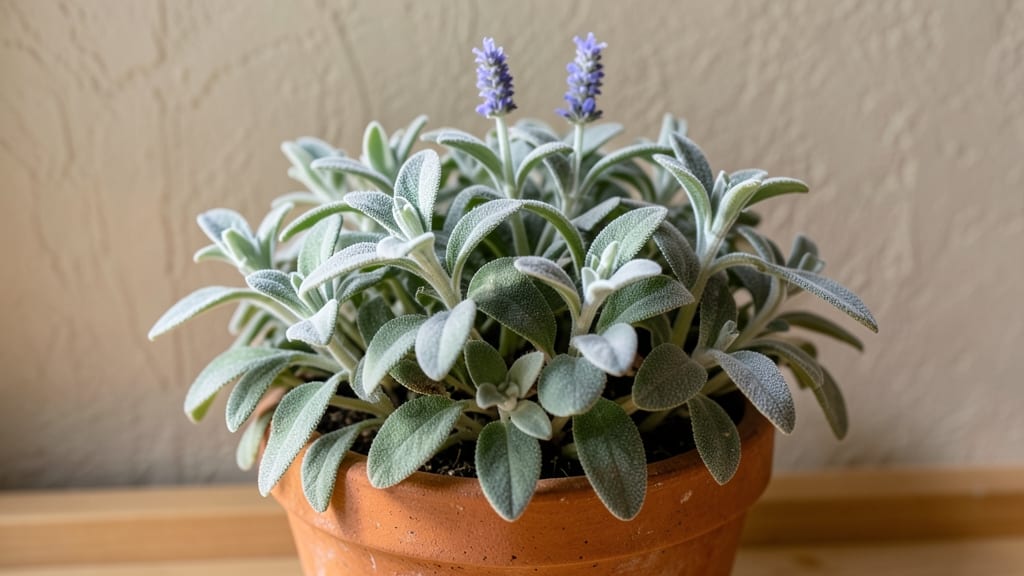
You can grow sage indoors successfully by providing bright, indirect sunlight, well-draining potting mix, and consistent moisture without waterlogging. Use containers with drainage holes and keep temperatures stable between 60-75°F for healthy growth.
Growing sage indoors works beautifully once you replicate its Mediterranean preferences. 🌱 The key is mimicking natural light—south-facing windows or grow lights for 6-8 hours daily prevent leggy stems. I’ve found that a mix of cactus/succulent soil with perlite keeps roots happy, while overwatering is the #1 killer.
For propagation, cuttings from healthy stems root easily in water before transplanting.
Sage’s hardy nature makes it perfect for beginners, but watch for brown leaf edges—a sign of low humidity or fluoride in tap water. 💧 A pebble tray under the pot or occasional misting solves this. Prune regularly to encourage bushiness, and you’ll enjoy fresh leaves year-round for cooking or crafts.
💡 In This Article
- Indoor Sage Growth Requirements: Light, Soil, and Temperature Essentials
- Step-by-Step Guide to Growing Sage Indoors from Seeds or Cuttings
Indoor sage growth requirements: light, soil, and temperature essentials
Sage thrives indoors because it naturally grows in Mediterranean climates where sunlight is intense but often indirect due to summer heat. The key is replicating this light environment: sage needs 6-8 hours of bright, indirect light daily, which you can achieve through south-facing windows or artificial grow lights.
Without enough light, plants stretch toward the source (a condition called etiolation), producing long, weak stems with sparse leaves. 🌿 The ideal light spectrum for sage includes blue wavelengths (600-700nm) for growth and red wavelengths (400-500nm) for photosynthesis—grow lights that mimic sunlight with full-spectrum bulbs work best if natural light isn't sufficient.
Soil science plays a crucial role in indoor sage success. Sage roots prefer a well-draining, slightly alkaline soil mix (pH 6.0-7.5), which prevents root rot—a common indoor killer.
A blend of 50% cactus/succulent mix, 30% perlite or pumice, and 20% compost creates the perfect texture for oxygen flow while retaining enough moisture. The coarse particles also prevent soil compaction, which can suffocate roots.
Unlike moisture-loving herbs, sage stores water in its leaves, so it's far more forgiving of occasional dry spells than overwatering.
Temperature sensitivity is another critical factor. Sage performs best in a stable range of 60-75°F, with a tolerance up to 80°F during daytime.
Below 50°F, growth slows dramatically, and leaves may turn yellow—a sign of metabolic stress. 🌡️ Indoor heating systems often create dry air, which can cause leaf edges to brown.
To combat this, place a humidity tray filled with pebbles and water beneath the pot, or use a small humidifier nearby. This mimics the Mediterranean's coastal humidity levels that sage is accustomed to in the wild.
Container selection impacts growth too. Choose pots with drainage holes to prevent waterlogging, which leads to fungal infections. Terracotta pots are ideal because they breathe—allowing excess moisture to evaporate through the walls. For a 6-inch pot, expect about 1-2 sage plants (they grow 12-24 inches tall indoors).
Larger containers (10+ inches) can support multiple plants but require more frequent watering. The root system of mature sage plants is surprisingly extensive, so upgrading container size every 1-2 years prevents root-bound stress.
Leaf quality is directly tied to these factors. When light, soil, and temperature are optimal, sage produces aromatic, velvety leaves with a robust pine-like fragrance. Poor conditions result in bitter, tough leaves with reduced essential oils—the compounds that give sage its signature flavor.
For example, a plant growing in low light may develop leaves that taste bland, while one in too-hot conditions might produce leaves with a harsh, almost medicinal taste. 🌿 The goal is to balance these elements so your indoor sage tastes as vibrant as its outdoor counterparts.
One often-overlooked detail is the role of air circulation. Sage benefits from gentle airflow to prevent powdery mildew, a fungal disease that thrives in stagnant, humid conditions. A small oscillating fan set to low speed near the plant (but not directly blowing on it) mimics natural wind patterns.
This also helps strengthen stems, reducing the risk of leggy growth—a common indoor problem when plants stretch toward light sources. 💨 The combination of proper light, soil, temperature, and airflow creates the perfect microclimate for thriving indoor sage.