
Container Gardens
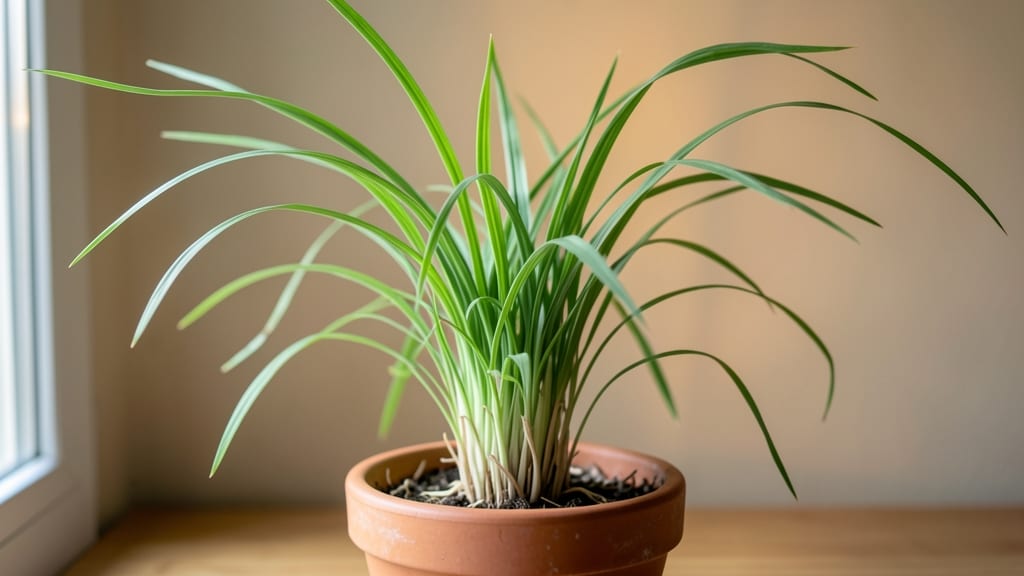
You can grow lemon grass indoors with bright, indirect light, well-draining potting soil, and a pot at least 12 inches deep. Maintain consistently moist soil and high humidity to replicate its tropical habitat for healthy growth.
Lemon grass thrives indoors because it originates from warm, humid climates like Southeast Asia. 🌱 The key to success lies in mimicking these conditions—bright light prevents those long, weak stems, while proper drainage stops root rot.
I’ve found that placing the pot near a south-facing window (with sheer curtains) works wonders, especially during winter when natural light dims. For humidity, a simple pebble tray with water beneath the pot creates a mini greenhouse effect without overcomplicating your setup.
One common mistake is using pots that are too shallow—lemon grass develops deep roots, so a 12-inch minimum depth is non-negotiable.
If you notice yellowing leaves, it’s usually a sign of overwatering or poor drainage. 🌿 I recommend watering only when the top inch of soil feels dry, and always using room-temperature water to avoid shocking the plant’s roots.
With these adjustments, you’ll see fresh, vibrant growth in just a few weeks.
💡 In This Article
- Indoor Lemon Grass Growth Requirements: Light, Soil, and Temperature
- Step-by-Step Guide to Planting and Caring for Indoor Lemon Grass
Indoor lemon grass growth requirements: light, soil, and temperature
The science behind lemon grass's success indoors starts with its light needs. This tropical plant evolved under dappled sunlight in its native Southeast Asian forests, where direct rays would scorch its delicate leaves.
Indoors, you need to replicate this with bright, indirect light—think east or west-facing windows, or a south-facing window with sheer curtains.
Without enough light, the plant stretches toward the source (a condition called etiolation), producing weak, yellowish stalks that are less flavorful. 🌿 The ideal light intensity is roughly 5,000-10,000 lux, which you can achieve with a grow light if natural light falls short during winter months.
Soil drainage is equally critical because lemon grass roots are prone to rot when submerged in water. The ideal potting mix should combine 60% peat or coconut coir (for moisture retention), 20% perlite or vermiculite (for aeration), and 20% coarse sand or orchid bark (for drainage).
This blend mimics the well-draining forest floors where lemon grass grows wild. The pot itself must have drainage holes—without them, excess water pools at the roots, cutting off oxygen and inviting fungal infections. I’ve seen lemon grass plants recover from underwatering but rarely from root rot, so prevention is key.
Temperature plays a subtle but vital role in indoor cultivation. Lemon grass thrives in a range of 70-85°F, which aligns perfectly with most household climates.
However, sudden drops below 60°F trigger stress responses, slowing growth and making the plant more susceptible to pests. 🌡️ If you live in a cooler climate, keep the pot away from drafty windows or air conditioning vents.
The plant’s natural humidity needs (60-80%) can be met with a simple pebble tray or by grouping it with other houseplants—this creates a microclimate that reduces leaf curling and browning at the tips.
What most people overlook is the plant’s relationship with its container. Lemon grass develops a fibrous root system that can grow up to 24 inches deep, which is why shallow pots (under 8 inches) stunt growth.
The roots also appreciate being slightly root-bound—this encourages the plant to focus energy on producing new shoots rather than expanding its root network. When repotting, choose a container that’s only 2-3 inches wider than the current one to avoid overwhelming the plant with excess soil.
Seasonal adjustments are important too. During summer, lemon grass may need daily watering (when the top inch of soil dries), while winter slows its metabolism, requiring water every 5-7 days. The key is to monitor the soil’s moisture level with your finger rather than relying on a schedule.
Overwatering is the #1 killer of indoor lemon grass—roots deprived of oxygen can’t absorb nutrients, leading to stunted growth and yellowing leaves. A moisture meter can help you strike the perfect balance between hydration and aeration. 💧
Finally, the plant’s natural growth cycle offers clues about its needs. Lemon grass grows in clumps from a central rhizome, and each stalk produces new shoots at its base.
When you see the outer stalks turning brown and crispy, it’s a sign they’ve fulfilled their purpose and should be trimmed back to encourage fresh growth. This pruning also improves air circulation around the base, reducing humidity-related issues like mold.
With these scientific principles in mind, you’re not just growing a plant—you’re creating an optimal microclimate for its tropical instincts.