
Container Gardens
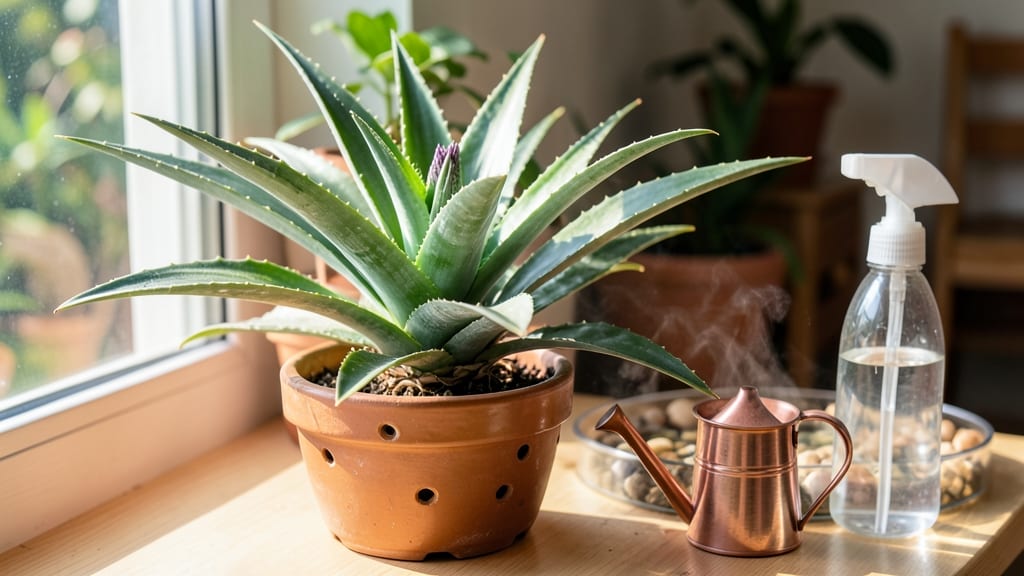
Growing pineapple indoors is absolutely possible with the right setup: place your plant in a south-facing window or under grow lights for 12-14 hours daily, use fast-draining soil mix, and ensure the pot has drainage holes. Expect slower growth than outdoor plants, but with consistent care, you can eventually see fruit development.
Indoor pineapple growth thrives on bright, direct light—think 6+ hours of sunlight daily—because these tropical plants need intense light for photosynthesis. 🌱 Without enough light, your pineapple will grow leggy and weak.
I’ve found that supplementing with a full-spectrum LED grow light (12-14 hours/day) works wonders if natural light is limited. Temperature matters too: keep your pineapple between 60-85°F, avoiding drafts or sudden temperature swings, which can stress the plant and stunt growth.
Humidity is another critical factor—pineapples love 50-70% humidity. If your home air is dry (common in winter), mist the leaves regularly or place the pot on a tray filled with pebbles and water. This mimics their natural tropical environment and prevents leaf browning.
Patience is key: indoor pineapples grow slower than outdoor ones, but with the right conditions, you can still enjoy the rewarding process of watching it develop over time.
💡 In This Article
- Indoor Pineapple Growth Requirements: Light, Temperature, and Humidity
- Step-by-Step Guide to Growing Pineapple from a Top Indoors
Indoor pineapple growth requirements: light, temperature, and humidity
Pineapples thrive indoors because they’re tropical plants, but their growth depends heavily on replicating their natural environment. The key factor is light intensity—pineapples need 6-8 hours of direct sunlight daily to photosynthesize efficiently.
Without enough light, the plant stretches toward the source (a condition called etiolation), producing weak, leggy growth.
This happens because insufficient light triggers the plant to prioritize stem elongation over leaf and root development. 🌱 In my experience, a south-facing window provides the best natural light, but if that’s not an option, a full-spectrum LED grow light (placed 6-12 inches above the plant) can mimic sunlight effectively.
The ideal temperature range for indoor pineapples is 60-85°F, with 70-75°F being optimal for active growth. Temperatures below 55°F can shock the plant, causing leaf yellowing or even dormancy, while anything above 90°F stresses it out, leading to wilting.
I’ve noticed that indoor heating systems often dry out the air, so maintaining stable temperatures is crucial—avoid placing the plant near vents or drafty windows. Humidity is equally critical: pineapples prefer 50-70% humidity.
In dry climates or during winter, I use a humidifier or place the pot on a tray of pebbles with water to create a microclimate that keeps the air moist around the leaves.
Here’s what happens when these conditions aren’t met: Low light results in pale, sparse leaves and stunted roots, while low humidity causes brown, crispy leaf tips—a sign the plant is losing moisture faster than it can absorb it. 💧 Conversely, high humidity (above 70%) can promote fungal growth, so balance is key.
I’ve found that monitoring these factors with a simple hygrometer and adjusting as needed makes a world of difference in keeping the plant healthy. The goal is to create a stable, tropical-like environment that mimics the pineapple’s native habitat in regions like Brazil or Southeast Asia.
Another often-overlooked detail is air circulation. Pineapples need gentle airflow to prevent fungal issues, but avoid strong drafts. A small oscillating fan on low speed (set to move air lightly around the plant) can help without causing stress.
This mimics the natural breeze in their tropical home, where air movement reduces humidity buildup on leaves. I’ve seen indoor pineapples with poor airflow develop mold or soft rot, so this step is non-negotiable for long-term success.
The combination of proper light, temperature, humidity, and airflow ensures your pineapple grows strong and healthy, setting the stage for eventual fruiting.
Let’s talk about the science behind these requirements. Pineapples are C3 plants, meaning their photosynthesis process is highly efficient in warm, bright conditions. When light levels drop, their chlorophyll production slows, leading to weaker leaves and slower growth.
The plant’s stomata (tiny pores on leaves) also regulate moisture and gas exchange, which is why humidity matters—too dry, and the stomata close to conserve water, reducing photosynthesis. 🌿 Understanding this helps explain why indoor pineapples often grow slower than outdoor ones: indoor environments typically lack the consistent brightness and humidity of their natural habitat.
For those in apartments or homes with limited natural light, grow lights are a game-changer. I recommend 12-14 hours of light daily using a full-spectrum LED bulb (like those designed for herbs or vegetables).
These lights emit wavelengths that closely mimic sunlight, including blue light (for leafy growth) and red light (for flowering). Place the light 6-12 inches above the plant and adjust the height as it grows.
If you notice the leaves stretching excessively toward the light, it’s a sign the plant needs more intensity or a closer distance. This setup can make all the difference in keeping your pineapple thriving indoors.