
Planting
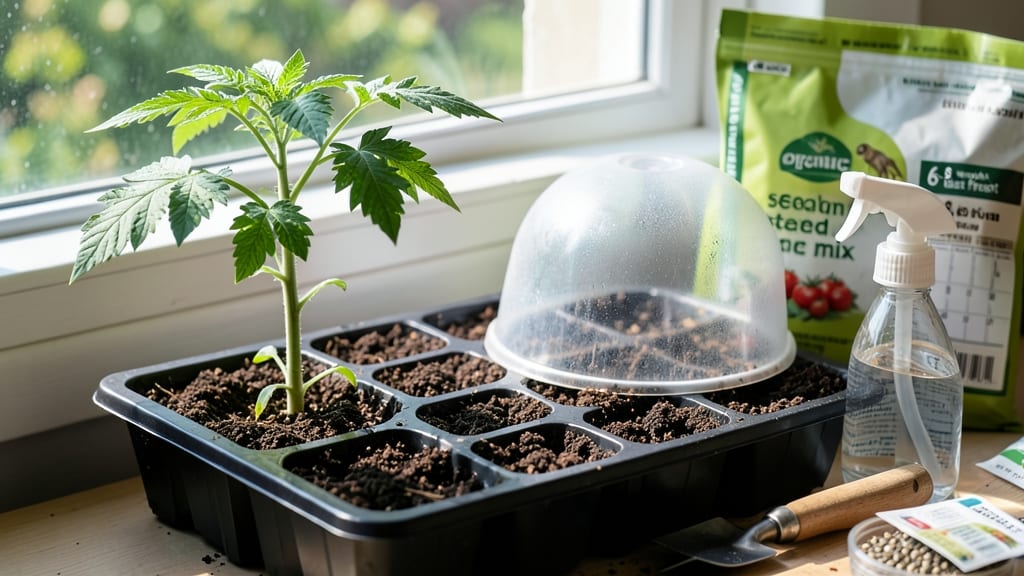
Starting vegetable seeds indoors at the best time ensures strong, healthy plants ready for transplant—before your last frost date arrives.
Timing your 🌱 General Vegetable Seeds indoors can mean the difference between a thriving garden and a disappointing harvest—especially when last frost dates vary by zone.
In Zone 6a, where the average last frost hits around April 15, most gardeners should begin seeds indoors between January and March. That gives you 4-8 weeks of controlled growth before moving seedlings outside.
This guide breaks down the exact start times for each vegetable type, how to adjust for early or late seasons, and the common mistakes that kill seedlings before they even reach your garden.
Zone-specific indoor seed starting calendar: when to plant by vegetable type
Getting your vegetable seeds indoors at the right time ensures strong, healthy seedlings ready for transplanting when the weather warms up. Since last frost dates vary dramatically by zone—from late May in Zone 3 to January in Zone 10—your timing must adjust accordingly.
This calendar breaks down the ideal 8-week countdown for each vegetable type, with adjustments for cool-season crops like lettuce and heat-loving plants like tomatoes.
For most gardeners, starting seeds indoors 4-8 weeks before your last frost date is the golden rule. However, this shifts based on your zone and the vegetable’s maturity timeline.
For example, peppers and eggplants need a longer indoor head start (10-12 weeks) because they’re slow to mature, while radishes can often be direct-sown after frost risk passes.
Use this comparison table as your guide, but always double-check your local last frost date—it can vary by 1-2 weeks even within the same zone.
For instance, if your last frost is April 15 in Zone 6, you’ll need to start tomatoes in early March, but in Zone 8, where frost risk ends in February, you’d wait until late January.
If you’re in Zone 3-5, where winters are long and frost lingers until late May, you’ll want to start your tomatoes and peppers as early as January to give them enough time to mature before the first frost in October.
In contrast, gardeners in Zone 8-10 can delay starting until March or even April, thanks to their extended growing seasons.
For cool-season crops like lettuce and spinach, you can often direct-sow after your last frost date, but starting them indoors gives you an earlier harvest. These greens tolerate light frosts, so don’t rush to transplant them—wait until soil temperatures are consistently above 40°F to avoid bolting (premature flowering).
One common exception is radishes, which germinate quickly (as little as 3-5 days) and can be direct-sown as soon as the soil is workable. However, for slower-growing crops like broccoli or cabbage, an early indoor start is essential to avoid stunted growth.
These brassicas need 60-80 days to mature, so starting them too late can leave you with tiny heads by harvest time.
Pro tip: Mark your calendar with
How to adjust seed starting times for early springs, late frosts, OR short seasons
Unpredictable weather can throw off even the best-laid gardening plans. If you're dealing with an early spring, late frosts, or a short growing season, adjusting your seed-starting timeline is key to success.
The right adjustments ensure your seedlings mature in time for transplanting—without ending up with leggy, weak plants or missed harvest windows.
Instead of following rigid zone guidelines, think flexibly. For example, in Zone 5, you might start tomatoes in early March under normal conditions, but if frost lingers, delay until late March.
The goal is to match your seedlings' maturity with your garden's readiness—no matter what Mother Nature throws your way.
Start heat-loving crops (peppers, eggplants, tomatoes) 2-3 weeks later than zone guidelines. Use black plastic mulch to warm soil faster and row covers to extend the season outdoors.
Prioritize cold-hardy starts (kale, spinach, peas, broccoli) 4-6 weeks early. Use cold frames or mini greenhouses to protect tender seedlings until frost risk passes.
Choose fast-maturing varieties (e.g., 'Early Girl' tomatoes in 55 days) and start seeds indoors 10-14 days earlier than recommended. Pair with successive plantings every 2 weeks for continuous harvests.
Another trick for short seasons is to stagger your starts. For example, plant lettuce in 3 batches: the first 6 weeks before last frost, the second 4 weeks out, and the third 2 weeks out.
This ensures a steady supply even if the season cuts short. Pair this with row covers to extend harvests into fall.
Don’t forget about light deprivation for long-day plants like spinach or beets. If your season is short, you can trick these plants into bolting by exposing them to 14+ hours of light daily using grow lights. This mimics longer days and can push them to mature faster before frost hits.
For gardeners in Zone 4 or colder, consider using a cold frame or low tunnel to create a microclimate. These structures can add 4-6 weeks to your growing season by trapping heat.
Start seeds indoors as usual, but move them into the cold frame 2-3 weeks earlier than you would transplant outdoors.
Finally, keep a seed-starting journal to track what works in your unique climate. Note which varieties thrive, when you adjusted timelines, and how weather impacted your garden.
Over time, you’ll refine your approach and build resilience against unpredictable seasons. With these strategies, you’ll turn challenges into opportunities for a bountiful harvest. 🌱