
Planting
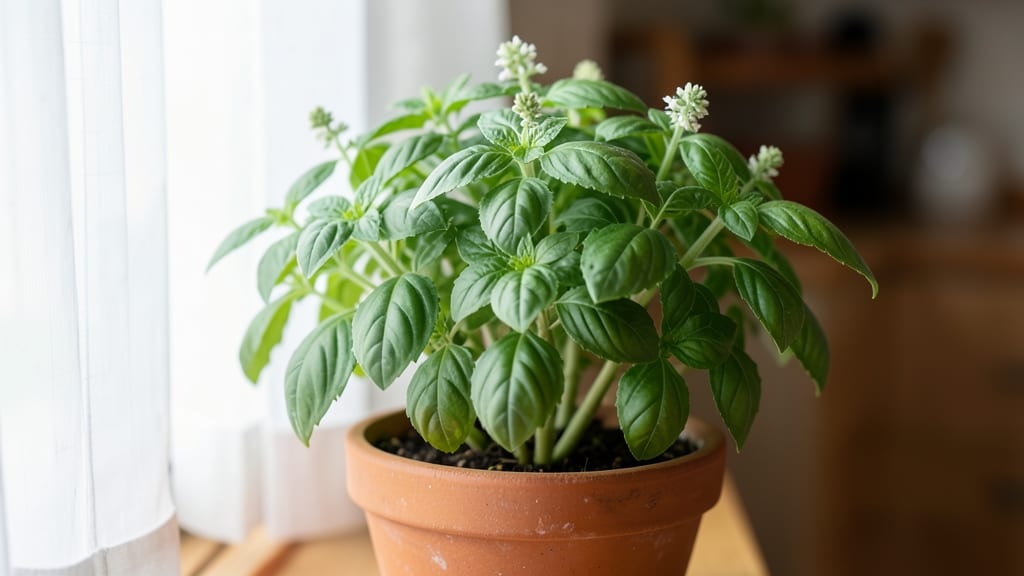
Growing the basil plant indoors in winter isn't just possible—it's the secret to fresh, fragrant leaves year-round. 🌿 I've kept my basil thriving since December, and the trick starts with light: natural windowsills won't cut it alone, but with the right setup, you'll have lush plants by Valentine's Day.
You'll need a sunny south-facing window or a basic grow light, a pot with drainage, and a humidity tray to combat dry winter air. Most people overwater in winter months, so I use my finger to check soil moisture—only water when the top inch feels dry.
Leggy growth? That's your plant stretching for light, so adjust your setup before it's too late.
By March, you'll be harvesting bright green leaves for pesto, sandwiches, or teas—no store-bought basil needed. The plants stay productive for months, and the aroma fills your kitchen with summer vibes even in January. Prune regularly to encourage bushier growth, and you'll never buy basil again.
This works for any indoor space, from kitchen counters to sunrooms. The key is consistency—light, water, and a little TLC. Here's how to make it happen without the guesswork.
📚 In This Guide
- What you need
- Instructions
- Tips and common mistakes
- Wrapping up and next steps
What you need
- ● Basil plant: 1-2 healthy basil plants (preferably Genovese or Sweet Basil varieties) with at least 4-6 inches of stem and visible leaves.
- ● Containers: 1-2 pots with drainage holes (6-8 inches in diameter for each plant). Terracotta or ceramic pots work best.
- ● Potting mix: 1 bag (5-10 quarts) of well-draining, organic potting soil (avoid garden soil—it’s too dense!).
- ● Grow lights: 1-2 full-spectrum LED grow lights (15-20 watts per plant) or a sunlight lamp (e.g., Philips or SANSI).
- ● Drainage tray: 1-2 shallow trays to catch excess water and prevent root rot.
- ● Watering can or spray bottle: 1 with a gentle spray nozzle for hydration.
- ● Fertilizer: 1 bottle of balanced liquid fertilizer (e.g., 10-10-10 or fish emulsion) or slow-release granules.
- ● Humidity tray: A shallow tray with pebbles and water to increase air moisture (basil loves humidity!).
- ● Thermometer/hygrometer: To monitor temperature (ideal: 65-80°F) and humidity (ideal: 40-60%).
- ● Pruning shears: Small, sharp scissors for harvesting and trimming.
- ● Support stakes: 1-2 small stakes or bamboo canes if your basil gets leggy.
- ● Reflective surfaces: Aluminum foil or white boards to bounce light around for extra brightness.
Step-by-step instructions for keeping basil alive indoors this winter
Here’s how I’ve kept my basil thriving through every winter—no fancy equipment needed.
🪴 Step 1: Choose the Right Container and Drainage
Start with a pot at least 6 inches deep and 8 inches wide for each basil plant. I use terracotta because it breathes and prevents soggy roots, but any container with drainage holes works. If your pot lacks holes, drill a few—basil roots rot quickly in standing water.
Place a small layer of gravel or broken pottery at the bottom before adding soil. This creates space for excess water to drain away from the roots. The key here is airflow—basil hates wet feet, and winter’s cooler air means moisture lingers longer.
☀️ Step 2: Set Up Supplemental Lighting
Basil needs 6-8 hours of bright light daily, but winter windows rarely deliver. I use a simple LED grow light on a timer for 12-14 hours per day. Position it 6-12 inches above the plant—close enough to see the leaves tremble slightly when it’s on.
Rotate the pot a quarter turn every few days so the plant grows evenly. Without this, basil leans toward the light like a sun-worshipper, and the stems get weak. You’ll know the light is right when the leaves stay dark green, not pale or stretched.
💧 Step 3: Adjust Watering for Winter’s Dry Air
Water when the top inch of soil feels dry, but don’t drown it. Winter air is dry, so I water every 5-7 days instead of daily. Overwatering is the fastest way to kill indoor basil—roots suffocate in cold, wet soil.
Use room-temperature water to avoid shocking the roots. I fill a spray bottle with water and mist the soil gently around the edges, letting it soak in slowly. This prevents the soil from becoming compacted, which basil hates.
✂️ Step 4: Prune for Bushier Growth and Flavor
Pinch off the top set of leaves when the plant reaches 6 inches tall. This forces the plant to branch out instead of growing tall and leggy. I always use clean scissors to avoid tearing the stems—basil heals faster when cuts are crisp.
Harvest regularly by snipping leaves from the top or sides. The more you prune, the more flavorful the leaves become. If the plant looks sparse by late winter, I give it a light fertilizer with half-strength balanced formula—just enough to wake it up without burning the roots.
🌱 Step 5: Watch for Pests and Adjust Humidity
Check the undersides of leaves weekly for spider mites or aphids. Winter air is dry, so I place the pot on a tray of pebbles with water underneath—this creates gentle humidity without soggy soil. Misting the leaves occasionally also helps, but avoid getting water on the flowers if they appear.
If leaves yellow or drop, it’s usually overwatering or low light. Basil is tough, but it won’t tolerate neglect. A little TLC in winter keeps it lush and ready for spring planting. I’ve had the same basil plant thrive for years this way!
Tips & tricks for perfect indoor winter basil
Took me years to figure out why my basil always struggled indoors—here’s what actually works.
Lighting Secret: That 12-14 hours of LED grow light is non-negotiable, but here's the trick: position your light so the leaves just tremble when it's on. Too far away? They'll stretch toward the light. Too close? They'll scorch. I test by holding my hand under it—if it feels warm but not hot, you're golden.
Container Upgrade: Terracotta pots aren't just for looks—they wick away moisture better than plastic. If you don't have terracotta, add a handful of perlite to regular potting mix for better drainage. I've seen basil roots rot in just 48 hours when kept in plastic without proper drainage.
Watering Wisdom: The "top inch dry" rule is perfect, but here's what nobody tells you: winter air is deceivingly dry. Use a spray bottle to check soil moisture—if it feels damp an inch down, wait another day. Overwatering in winter is the #1 killer, and it's easy to overdo it when the air feels dry.
Pruning Hack: When you pinch those top leaves at 6 inches, save them! Tuck them into your fridge for fresh basil in pesto or salads. And here's a pro move: after pruning, give the stems a quick dip in water for 24 hours—it jumpstarts new growth faster than you'd expect.
Pro Tips for Basil Plant Indoor Winter
- Took me years to figure out why my basil always struggled indoors—here’s what actually works.
- Lighting Secret: That 12-14 hours of LED grow light is non-negotiable, but here's the trick: position your light so the leaves just tremble when it's on.
- Container Upgrade: Terracotta pots aren't just for looks—they wick away moisture better than plastic.
Frequently asked questions
Got questions about keeping your basil thriving indoors during winter? Here are some common ones—and their answers!
Can I grow basil indoors all winter long?
With the right light hack—like a grow light or sunny south-facing window—your basil can thrive year-round. Just ensure it gets 6–8 hours of light daily and keep it away from drafts. Pro tip: Rotate the pot weekly for even growth!
Why is my indoor basil turning yellow in winter?
Yellow leaves often signal overwatering or light deficiency. Let the top inch of soil dry out between waterings, and supplement natural light with a grow bulb. Check for pests too—aphids love winter basil! Fix it: Trim yellow leaves and adjust care.
How often should I water winter basil indoors?
Water when the topsoil feels dry to the touch (about once a week, depending on humidity). Overwatering in winter can stunt growth or cause root rot. Use a pot with drainage holes, and empty saucers after watering to prevent soggy roots. Test tip: Stick your finger in the soil—it’s your best guide!
Can I use regular LED bulbs for basil in winter?
Nope! Regular LEDs won’t cut it—basil needs full-spectrum grow lights (like 6500K bulbs) for photosynthesis. If you’re on a budget, a simple LED grow light (even a clip-on) works wonders. Just keep it 6–12 inches above the plant. Budget hack: A $20 bulb can save your harvest!
What’s the best alternative if my basil dies in winter?
Try winter-hardy herbs like parsley, cilantro, or mint—they tolerate cooler temps and lower light. For basil lovers, genovese basil (a sweeter variety) often survives winter better. Or, start fresh in spring with a new pot and propagate from cuttings! Bonus: Save seeds from your summer basil for next year!
How do I revive a leggy or weak winter basil?
Leggy basil? It’s begging for more light! Trim the top leaves to encourage bushier growth, and move it closer to your light source. If it’s already stretched, prune aggressively and place it under a grow light for 12–14 hours daily. Within weeks, you’ll see fresh, compact leaves! Reset tip: Snip just above a leaf node for new growth.
Wrapping up and next steps
Growing basil indoors during winter is totally doable—just embrace the light hacks and a little TLC! With the right setup, you’ll enjoy fresh, fragrant leaves year-round, whether for cooking or decor. 🌿
Ready to level up your indoor garden? Start by picking a sunny spot, tweaking your lighting if needed, and keeping those leaves happy with consistent care. Your kitchen (and taste buds) will thank you!
👉 Next step: Grab your basil plant, follow the tips, and watch it thrive—no green thumb required! 🌱