
Container Gardens
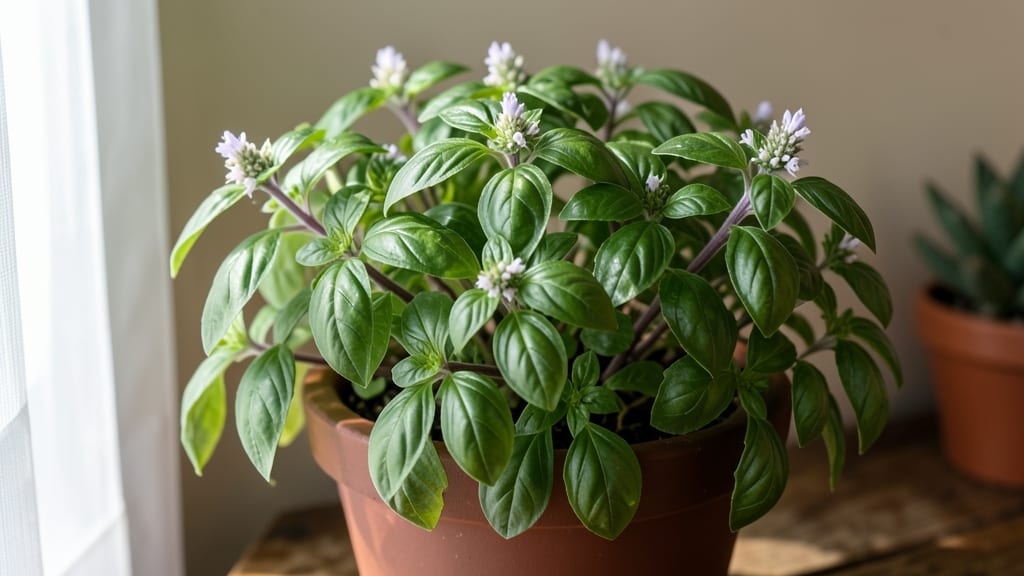
Growing basil indoors turns a kitchen corner into a fragrant herb factory that never runs out. ✨ I’ve grown basil through three winters now, and the secret isn’t fancy equipment—it’s replicating the Mediterranean sunshine that makes basil thrive.
Most store-bought plants wilt by February, but with the right light and care, your indoor basil will stay lush and flavorful for months.
The right setup starts with a 6-inch pot (drainage holes are non-negotiable) and a well-draining potting mix—no heavy garden soil. Place your plant near the suniest window (south-facing is ideal) or under a grow light for 6-8 hours daily.
Overwatering kills basil faster than anything, so let the top inch of soil dry out between waterings. A spritz of water on the leaves mimics morning dew and keeps them crisp.
By pruning regularly—snip above leaf pairs to encourage bushiness—you’ll harvest pint-sized bunches every 2-3 weeks all winter long. The leaves stay vibrant green, not yellow or crispy, and the flavor rivals (or even beats) store-bought. My plants now produce twice as much as the $3 flats from the grocery store.
This method works in apartments, offices, or even a sunny bathroom. The only real challenge is keeping the air humid enough—try a pebble tray under the pot if your home feels dry. Once you master it, you’ll never buy basil again.
📚 In This Guide
- What you need
- Instructions
- Tips and common mistakes
- Wrapping up and next steps
What you need
- ● Basil seeds or seedlings: 1 packet (or 3-5 young plants if starting with cuttings). Choose Genovese or Sweet Basil for classic flavor.
- ● Containers: 1-2 5-6 inch pots (for seedlings) or
- ● 1 8-12 inch container (for multiple plants, with drainage holes).
- ● High-quality potting mix: 1 bag (look for well-draining, organic soil labeled for herbs or vegetables).
- ● Drainage trays or saucers: 1-2 (to catch excess water and prevent root rot).
- ○ Grow lights (optional but recommended): 1 LED full-spectrum bulb (15-20W) or
- ● 1 clip-on grow light (for small setups).
- ● Spray bottle: For gentle watering and humidity control.
- ● Fertilizer: Balanced liquid fertilizer (e.g., 10-10-10) or organic options like fish emulsion.
- ● Pruning shears: Small, sharp scissors to harvest leaves and encourage bushier growth.
- ● Humidity dome or plastic wrap: Temporarily covers seedlings to retain moisture.
- ○ Thermometer (optional): To monitor ideal temps (70-75°F).
Step-by-Step instructions for growing basil indoors
Here's how I grow basil that tastes like summer—even in winter.
🌱 Step 1: Choose the Right Container and Soil
Start with a 6-8 inch diameter pot for each plant—basil roots need room to spread without becoming root-bound. I use terracotta because it breathes and prevents soggy roots, but any container with drainage holes works. Fill it with a lightweight potting mix (never garden soil—it compacts too much).
Press the soil down gently until it's firm but still loose enough for roots to penetrate. The surface should be level, not mounded. Basil thrives in well-draining soil, so if your mix feels dense, add a handful of perlite or vermiculite to improve aeration. Water the soil until it's evenly moist but not dripping.
🌿 Step 2: Plant Basil Seeds or Seedlings
If starting from seed, plant 2-3 seeds per pot at a depth of ¼ inch—any deeper and they’ll struggle to reach the surface. Cover lightly with soil and mist gently until the surface looks damp. For seedlings, place one plant per pot, burying the stem up to its first set of true leaves to encourage root growth.
I always label my pots immediately—basil varieties like Genovese and Purple Ruffles look identical when young. Place the pot in a warm spot (around 70°F) until germination, which takes 7-14 days. Keep the soil consistently moist but never soggy; you’ll know it’s right when the top inch feels damp to the touch.
☀️ Step 3: Position for Maximum Light
Basil demands 6-8 hours of direct sunlight daily, so a south-facing window is ideal. If your space lacks natural light, supplement with a grow light placed 6 inches above the plant for 12-14 hours per day. Without enough light, stems stretch and leaves pale—this is basil’s way of begging for more sun.
Rotate the pot a quarter turn every few days so the plant grows evenly. You’ll notice leaves leaning toward the light? That’s your cue to adjust the pot’s position. Basil grown in low light tastes bland, so prioritize brightness over everything else.
💧 Step 4: Water and Fertilize for Flavor
Water when the top inch of soil feels dry, but avoid letting the soil stay soggy—basil roots rot quickly in waterlogged conditions. I use room-temperature water to prevent shocking the roots. Fertilize lightly every 4-6 weeks with a balanced liquid fertilizer (like 10-10-10) diluted to half-strength. Over-fertilizing leads to leafy growth at the expense of flavor.
Pinch off the flowers as soon as they appear—this redirects the plant’s energy into leaf production instead of seed development. You’ll see new growth spurt within a week of removing blooms. Basil grown indoors tastes best when harvested regularly, so snip leaves as needed, leaving at least ½ inch above a leaf node to encourage bushier growth.
✂️ Step 5: Prune and Harvest for Continuous Growth
Harvest leaves in the morning when essential oils are at their peak. Use clean scissors or fingers to snip just above a leaf pair—this encourages branching. I harvest every 2-3 weeks, never taking more than ⅓ of the plant at once. Regular pruning keeps basil compact and prevents it from becoming leggy.
If your basil starts looking woody or sparse, it’s time to propagate cuttings. Snip 4-inch stems just below a leaf node, strip the lower leaves, and place them in water. Roots form in 1-2 weeks—then you’ve got a free, ready-to-plant clone. This keeps your supply fresh and prevents the mother plant from becoming overgrown.
Tips & tricks for growing basil indoors
Here's what nobody tells you about keeping your basil thriving indoors—these are the details that separate good from great.
Lighting Strategy: The 6-8 hours of direct sunlight in Step 3 is non-negotiable for flavorful basil. If your window doesn't get enough light, invest in a full-spectrum LED grow light—they're more energy-efficient than traditional bulbs and mimic natural sunlight perfectly. I place mine on a timer for exactly 12-14 hours daily to replicate a natural photoperiod. The difference in leaf quality and aroma is night-and-day compared to insufficient lighting.
Soil Science: In Step 1, when you're mixing your potting soil, add a handful of worm castings (available at garden centers) to the perlite mix. This organic amendment provides slow-release nutrients while improving soil structure. Basil roots love aerated soil with organic matter—it prevents compaction and encourages robust root development. The castings also help retain moisture without making the soil soggy, which is crucial for preventing root rot.
Harvesting Technique: When harvesting in Step 5, always use clean scissors or your fingers to snip just above a leaf pair. This might seem like a small detail, but it's what prevents the plant from becoming leggy and woody. The key is to maintain the plant's natural shape by cutting at the correct angle—this encourages new growth at the leaf nodes. I harvest my basil every 2-3 weeks, and this consistent pruning keeps my plants producing fresh leaves for months.
Temperature Management: The 70°F warm spot mentioned in Step 2 is ideal, but basil can tolerate a range of 60-75°F. If your home gets chilly at night (below 60°F), move the pot to a warmer location or use a small space heater near the plant. Cold drafts from windows or doors can shock the plant and stunt growth. Basil is a tropical plant at heart—it thrives in warmth and will reward you with more vigorous growth when kept in its preferred temperature range.
Pro Tips for Growing Basil Indoors
- Here's what nobody tells you about keeping your basil thriving indoors—these are the details that separate good from great.
- Lighting Strategy: The 6-8 hours of direct sunlight in Step 3 is non-negotiable for flavorful basil.
- Soil Science: In Step 1, when you're mixing your potting soil, add a handful of worm castings (available at garden centers) to the perlite mix.
Frequently asked questions
Got questions about growing basil indoors?
You’re not alone—here are the most common concerns and quick fixes to keep your plants thriving!
How much sunlight does indoor basil really need?
Indoor basil thrives with 6–8 hours of bright, direct sunlight daily. South-facing windows or a sunny west window work best. If natural light is weak, supplement with a grow light (12–16 hours/day) to prevent leggy growth. Rotate pots weekly for even exposure!
How fast does basil grow indoors, and when can I harvest?
With proper care, basil grows 1–2 inches per week indoors. You can start harvesting leaf by leaf once the plant has 6–8 true leaves. For fuller growth, trim stems just above a leaf node (where new branches form). Avoid harvesting more than ⅓ of the plant at once to keep it bushy!
Why is my indoor basil turning yellow or wilted?
Yellow leaves often signal overwatering (check soil moisture—it should be damp but not soggy). Wilting can mean underwatering, root rot, or too much heat. Adjust your watering routine (every 2–3 days, depending on humidity) and ensure pots have drainage holes. Brown crispy edges? That’s usually dry air—try a pebble tray or humidifier!
Can I grow basil indoors without a sunny window?
If you lack natural light, a full-spectrum LED grow light (like a T5 or smart bulb) is a game-changer. Place it 6–12 inches above the plant and run it for 12–16 hours/day. Compact fluorescent bulbs work too but may need closer placement. Pro tip: Try a self-watering planter to simplify care under artificial light!
How do I keep indoor basil from flowering or bolting?
Basil bolts (stretches and flowers) when it’s stressed by heat, lack of light, or maturity. To delay flowering:
- Pinch off flower buds as soon as they appear.
- Harvest regularly to encourage leafy growth.
- Avoid letting soil dry out completely.
- Keep temps between 65–75°F (avoid drafts or heat vents).
Wrapping up and next steps
Growing basil indoors is simpler than you think—and the rewards are fresh, fragrant leaves just steps from your kitchen! 🌱 With the right sunlight (even artificial light), containers, and care, you’ll enjoy a thriving herb garden all year.
Whether you’re a beginner or a seasoned gardener, this guide makes it easy to cultivate flavorful basil without the fuss.
Ready to grow your own? Start by picking your favorite variety, gathering supplies, and placing your pot in the sunniest spot. Soon, you’ll be harvesting basil for pesto, pasta, or salads—no store-bought substitute needed! Happy planting! 🌿