
Planting
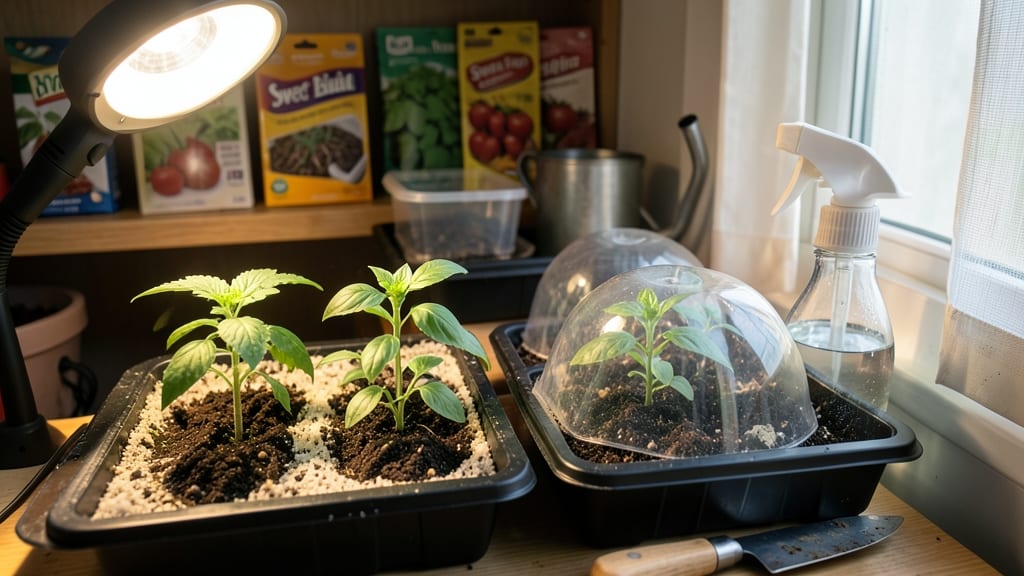
When to start sowing seeds indoors at the right time ensures strong, healthy seedlings ready for transplant—usually 6 to 8 weeks before your last frost date.
Timing is everything in gardening—plant your seeds too early, and they’ll bolt; too late, and you’ll miss the growing season. Mastering the perfect indoor sowing schedule ensures robust seedlings ready to thrive outdoors.
Your USDA zone, local frost dates, and plant maturity timelines all play a role. In Zone 5, for example, you might start tomatoes in early March, while peppers need a later push in April. The key is aligning your indoor schedule with outdoor conditions.
Below, I break down zone-specific sowing windows, the best methods for different plants, and how to avoid common pitfalls that ruin early starts.
How to calculate your Zone-specific indoor seed starting dates
Getting your indoor seed starting dates right means the difference between lush, thriving seedlings and leggy, weak plants. Your USDA hardiness zone and last frost date are the foundation of this calculation.
For example, if you're in Zone 5, your last frost typically arrives around May 15th, while Zone 9 gardeners might see theirs as early as March 1st. These dates determine when your seedlings should be ready to transplant outdoors.
First, find your USDA zone (use the USDA Plant Hardiness Zone Map) and check your average last frost date for your area. Many local agricultural extensions provide this data.
For instance, Zone 6 often has a last frost around April 20th, while Zone 8 might see theirs by March 15th. Knowing these dates ensures you won’t rush seedlings or let them sit too long indoors.
Next, research the days to maturity for each plant variety you’re growing. This is the number of days it takes from seed to harvest. For example, basil typically matures in 60-75 days, while tomatoes can take 70-90 days.
Subtract this number from your last frost date to find your indoor sowing window. For Zone 5 with a May 15th last frost, sowing basil indoors around March 1st ensures it’s ready by late April.
Don’t forget to account for the seedling stage, which varies by plant. Most vegetables need 4-6 weeks of indoor growth before transplanting, while herbs like parsley can take 8-10 weeks. Adjust your sowing date backward by these weeks.
For instance, if your last frost is April 20th and you’re growing peppers (which need 8 weeks indoors and 90 days total), start them indoors by February 15th.
Here’s a quick formula to simplify the process: (Last Frost Date - Days to Maturity) - Seedling Weeks Indoors = Indoor Sowing Date.
For example, if your last frost is May 1st, tomatoes take 80 days to mature, and seedlings need 6 weeks indoors, your sowing date would be March 2nd.
| USDA Zone | Avg. Last Frost | Seedling Weeks Indoors | Example Plant (Days to Maturity) | Indoor Sowing Window |
|---|---|---|---|---|
| Zone 3 | May 10 | 4-6 weeks | Lettuce (50 days) | March 20 - April 5 |
| Zone 5 | May 15 | 5-7 weeks | Tomatoes (80 days) | March 1 - March 15 |
| Zone 7 | April 1 | 4-6 weeks | Peppers (90 days) | February 1 - February 15 |
| Zone 9 | March 1 | 3-5 weeks | Basil (60 days) | January 15 - February 1 |
| Zone 10 | February 1 | 2-4 weeks | Cucumbers (65 days) | December 20 - January 10 |
Adjust your indoor sowing dates based on your local microclimate. If you live in a frost pocket or near a large body of water, your last frost date might be later than average.
Conversely, urban areas can warm up faster. Use a local weather station or ask fellow gardeners for insights to fine-tune your schedule.
For cool-season crops like kale or spinach, you can start seeds indoors 8-10 weeks before your last frost and even transplant them earlier if they’re cold-hardy.
For warm-season crops like squash or beans, wait until after your last frost to transplant, but start seeds indoors 3-4 weeks before that date.
If you’re unsure about your last frost date, use a 10-day moving average of temperatures below 32°F (0°C).
Many gardeners also follow the "3-4-5 Rule": subtract 3 weeks for fast growers, 4 weeks for medium growers, and 5 weeks for slow growers from your last frost date to determine your indoor sowing window.
Pro tip: Keep a
Best indoor seed starting methods for different plant types
Indoor seed starting transforms tiny seeds into sturdy seedlings, but not all methods work equally well for every plant type. Vegetables like tomatoes and peppers need deep soil blocks for robust root systems, while herbs like basil thrive in shallow trays with quick drainage. Flowers such as petunias often benefit from hydroponic setups to prevent leggy growth.
Choosing the right method depends on your plants' needs and your growing space.
The timing of your indoor seed starting also shifts based on the method you choose. Soil blocks allow for earlier sowing because they reduce transplant shock, while hydroponic systems can accelerate growth but require precise temperature control.
For cool-season crops like lettuce, you might start 6-8 weeks before your last frost date, but warm-season plants like peppers need a head start 8-10 weeks out. Adjusting your schedule based on the method ensures your seedlings are ready at the perfect time.
When to Start Sowing Seeds Indoors by Method
- ✅ Pros: Reduces transplant shock, promotes strong roots
- ✅ Best for: Tomatoes, peppers, eggplants
Start 8-10 weeks before last frost for warm-season plants.
- ✅ Pros: Cost-effective, easy to reuse
- ✅ Best for: Herbs, lettuce, spinach
Start 6-8 weeks before last frost for cool-season crops.
- ✅ Pros: Faster growth, no soil-borne diseases
- ✅ Best for: Flowers, microgreens, basil
Start 6-7 weeks before transplanting (earlier if using grow lights).
- ⚠️ Cons: Hydroponics needs precise temps, soil blocks dry faster
- ⚠️ Tip: Use heat mats for slower germinators like parsley.
For vegetables, I recommend soil blocks because they encourage deep root growth, which is critical for plants like tomatoes and peppers. These plants need time to develop strong roots before facing outdoor conditions.
Start them indoors 8-10 weeks before your last frost date, especially in cooler climates where the growing season is shorter. If you're in Zone 5 or below, you might even start them indoors as early as February to give them a head start.
Herbs like basil and parsley are ideal for seed trays because they germinate quickly and don’t need as much root space. These can be started 4-6 weeks before your last frost date, or even later if you're using a grow light setup. The key is to keep them in a warm, well-lit area until they’re ready to transplant. If you're growing basil, avoid starting too early—it bolts easily when exposed to cold temperatures.
When it comes to flowers, hydroponics can be a game-changer, especially for petunias and geraniums. This method allows for faster growth and reduces the risk of leggy seedlings caused by poor light. Start flower seeds indoors 6-7 weeks before your last frost date, but monitor their progress closely.
If you notice seedlings stretching toward the light, supplement with a grow light to maintain healthy growth. For annuals, you can often start them indoors even later in the season if you plan to overwinter them.
Regardless of the method, always adjust your timing based on your local climate and the specific plant variety. For example, broccoli and cabbage can handle cooler temperatures, so you might start them slightly later than tomatoes.
Use a seed starting calendar tailored to your USDA hardiness zone to keep track of ideal dates. With the right method and timing, your indoor seedlings will be ready to conquer the garden when the time comes! 🌱