
Propagation
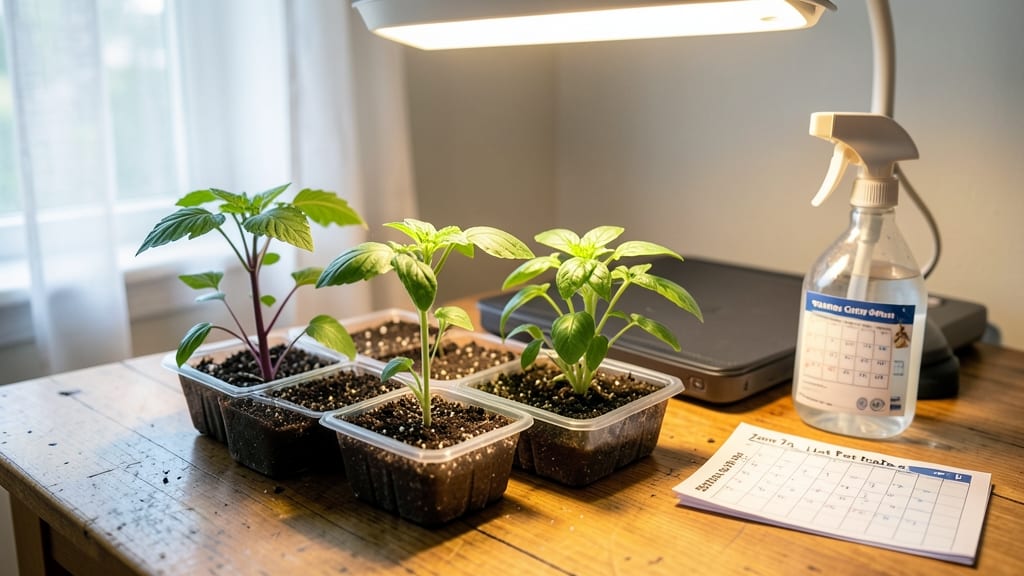
To start seeds indoors in Zone 7A, begin 6-8 weeks before your last frost — typically mid-February for most vegetables and herbs, but earlier for long-season crops like broccoli.
Timing your indoor seed starts in Zone 7A can mean the difference between a thriving garden and a late-season disappointment—especially when some plants need 10+ weeks of warmth before transplanting.
If you’ve ever rushed seedlings outdoors too soon, only to watch them wilt in the cold, you know how critical this window is. The key is balancing frost dates with plant-specific needs, from fast-growing radishes to slow-starting tomatoes.
Below, I’ll break down the exact dates for Zone 7A, how to adjust for early or late frosts, and the best methods to ensure strong, healthy seedlings ready for spring planting.
Zone 7A indoor seed starting dates by plant maturity groups
Getting your indoor seed starts right in Zone 7A means knowing exactly when to begin—because some plants need 10+ weeks of warmth before they can handle outdoor conditions.
The average last frost date for Zone 7A is April 15, but your exact timing depends on whether you're growing fast-growers (like radishes), medium-term crops (like tomatoes), or long-season plants (like broccoli).
Fast-growing crops like lettuce and radishes can start as late as February 15, while tomatoes and peppers need an earlier head start in January to mature before fall. Long-season plants like cabbage and broccoli require 8-10 weeks indoors, so starting them in late January ensures they're ready by mid-April.
Below is a grouped schedule for Zone 7A, organized by plant maturity. Use this as your guide to avoid overcrowded trays or late-season disappointments when seedlings outgrow their indoor space too quickly.
For fast-growers, like radishes and lettuce, you can start seeds as late as mid-February because they mature quickly—often in 30-45 days. These crops thrive in cooler temperatures, so they’re perfect for transplanting right after your last frost date (around April 15).
Just be sure to harden off seedlings for 7-10 days before moving them outside to toughen their skin.
Medium-term crops, such as basil and beets, need 6-8 weeks indoors to develop strong roots and foliage. Starting these in late January ensures they’re ready by early April.
These plants benefit from grow lights if your indoor space lacks sufficient natural light, as leggy seedlings struggle to recover once transplanted.
Long-season plants like tomatoes and broccoli are the most critical to get right in Zone 7A. They require 8-10 weeks indoors, so starting them in late January is ideal.
Use a heat mat to keep soil temperatures between 70-80°F for consistent germination. These plants also need strong light—at least 12-16 hours daily—to prevent stretching.
Very long-season crops, such as eggplants and melons, demand the earliest start: early January. These plants need 10-12 weeks indoors and may require row covers or even a greenhouse in Zone 7A to extend the growing season.
If you’re pushing the limits, consider starting these in seedling trays under grow lights and transplanting them into the ground as
How to adjust seed starting dates for zone 7A’s variable last frost
Zone 7A’s last frost date averages around April 15, but Mother Nature rarely follows the script. Some years, frost lingers until May 1, while others see warm spells in March. The key to success? Adjusting your seed-starting timeline based on historical data and microclimate factors—not just the calendar.
Start by checking your local USDA frost records for the past 10 years. Note the earliest and latest frost dates in your specific area.
For example, if your neighborhood’s last frost has ranged from April 5 to May 1, you’ll need a flexible schedule to avoid transplanting too early or too late. Heat unit calculations (like growing degree days) can also help fine-tune your timing.
⚠️ CALLOUT-WARNING
If you wait until April 15 to start tomatoes or peppers indoors, you’ll likely transplant them in June—too late for a full harvest. Broccoli and cabbage need 10+ weeks of warmth, so start them by February 15 at the latest. Use heat mats to speed germination if your space is cool.
For cool-season crops like lettuce or radishes, you can push your start dates later. These fast growers (30–50 days) can handle early April sowings and even direct sow after a light frost.
But warm-season crops like eggplants and basil demand precision—start them 8–10 weeks before last frost (early February in Zone 7A) and be ready to extend the season with row covers if frost threatens.
Microclimates play a huge role. A south-facing window or greenhouse can warm your seedlings faster, while a north-facing room may delay germination.
If your porch or balcony stays 10°F warmer than the rest of your home, you can start seeds 2 weeks earlier there. Heat mats or grow lights can also shave off critical time for slow starters like parsley or carrots.
When in doubt, err on the side of caution. If you’re unsure whether frost will return, delay transplanting by 1–2 weeks. Use row covers or a mini greenhouse to protect tender seedlings.
And always harden off seedlings for 7–10 days before moving them outdoors—this toughens them up for temperature swings that can occur even after the "official" last frost.
Track your actual frost dates each year and adjust your schedule accordingly.
Over time, you’ll develop a customized timeline that accounts for your local quirks—whether it’s a chilly microclimate or an unusually warm spring. Success in Zone 7A isn’t about following a rigid calendar; it’s about reading your environment and adapting on the fly. 🌱