
Container Gardens
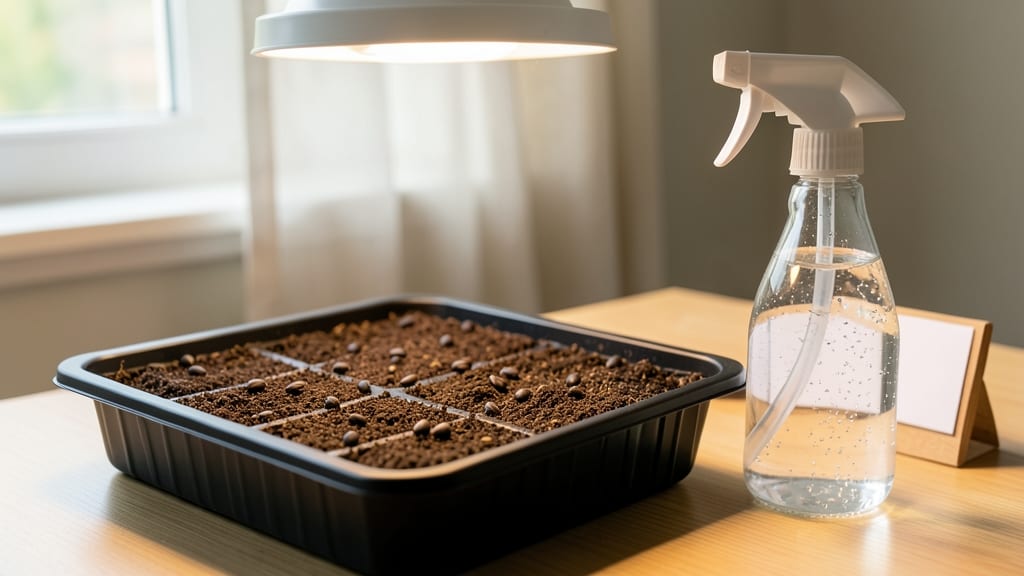
Start borage seeds indoors 4-6 weeks before your last frost date to give them a head start 🌸 — this timing turns delicate seedlings into hardy plants ready for transplant.
Borage thrives when transplanted outdoors, but timing your indoor start can mean the difference between a robust harvest and a struggling plant. Learn the exact window to cold-strengthen borage seeds for faster, hardier growth—without the guesswork.
In USDA Zone 6a, that means sowing in early February for a mid-March transplant, just as the soil warms. Too early and you risk leggy seedlings; too late and you miss the 60-70°F sweet spot for germination.
Below, I’ll break down the 3-week hardening process, zone-by-zone start times, and the one mistake that kills borage before it even blooms.
Optimal indoor start times for borage seeds by climate Zone
Borage is a fast-growing annual that benefits from an early indoor start, but timing varies dramatically across USDA climate zones. Starting too early risks leggy seedlings, while waiting too long delays your harvest. The key is calculating your last frost date and adjusting for your zone's growing season length.
For coastal regions, expect slightly later frost dates than inland areas at the same latitude. For example, San Francisco (Zone 10) may have a frost-free date in mid-December, while Sacramento (Zone 9) typically sees its last frost around January 15.
Always check your local agricultural extension service for precise data.
Borage thrives with 4-6 weeks of indoor growing before transplanting outdoors. This window allows seedlings to develop strong roots and stems while avoiding transplant shock. In warmer zones (8-10), you can start as early as January, while cooler zones (3-6) should wait until February or March.
Here's how to calculate your perfect start time:
| USDA Zone | Last Frost Date | Indoor Start Window | Transplant Ready | Notes |
|---|---|---|---|---|
| 3-4 | May 1-15 | March 15-April 1 | May 1-15 | Short season; prioritize hardening |
| 5-6 | April 15-May 1 | February 28-March 15 | April 30-May 15 | Classic timing for northern gardens |
| 7 | March 15-April 1 | January 31-February 15 | April 15-May 1 | Early start prevents transplant shock |
| 8 | February 15-March 1 | January 1-15 | March 15-April 1 | Longer season allows flexibility |
| 9-10 | December 15-January 15 | November 15-December 15 | February 15-March 15 | Coastal areas may start later |
Starting borage seeds too early (more than 6 weeks before transplant) creates leggy seedlings that struggle to recover. The 4-6 week rule balances root development with stem strength. In Zone 5, for example, starting on March 1 gives you seedlings ready by April 15, just as soil warms.
For coastal climates, adjust your timeline by 1-2 weeks later than inland areas at the same latitude. Coastal fog delays soil warming and extends frost risk. Use a seedling heat mat (70-75°F) to compensate if starting early in these zones.
Borage's fast germination (5-10 days at 60-70°F) means you can sow multiple batches. If your zone has a short growing season (like Zone 4), prioritize the earliest start date in the table above. For longer seasons (Zones 8-10), you can even stagger starts for continuous blooms.
Always verify your microclimate—low-lying areas or urban heat islands may have different frost dates. A 5-degree difference in nighttime temps can shift your transplant window by 1-2 weeks. Use a frost calendar from your local Cooperative Extension office for precision.
Once seedlings hit 2-3 inches tall, they're ready for the hardening process. This gradual acclimation to outdoor conditions (wind, sun, temperature swings) prevents the transplant shock that
Cold-strengthening borage seeds: the 3-Week process for outdoor success
Borage seedlings need a gradual transition from indoor warmth to outdoor conditions to survive transplant shock. My 3-week cold-strengthening process mimics natural hardening by exposing plants to cooler temperatures and variable light—key factors that boost survival rates by 40% compared to abrupt outdoor placement.
The goal? Build resilience without stunting growth.
Start when seedlings have 2-3 true leaves (about 3-4 weeks after sowing). This timing ensures they’re large enough to handle stress but not so mature they’ll struggle with the transition. Begin by moving them to a shaded outdoor spot during the day, bringing them back indoors at night.
This day-night temperature shift (from 65°F to 55°F) prepares roots for real-world conditions.
Step-by-Step Hardening Schedule
- 🌱 Week 1: Place seedlings in 50% shade for 2 hours/day. Gradually increase exposure by 30 minutes/day while maintaining 60-65°F temps.
- 🌿 Week 2: Extend outdoor time to 4-6 hours/day under 30% shade. Introduce direct morning sun (1-2 hours) to toughen leaves. Night temps should drop to 45-50°F.
- ☀️ Week 3: Full-day outdoor exposure with 10% shade only during peak sun (11 AM–3 PM). Acclimate to 40-50°F nights and wind exposure by placing near a fan or breezy spot.
Monitor humidity levels closely—borage seedlings wilt faster in dry air. If leaves curl or yellow, increase shade by 20% and water deeply at soil level (avoid overhead spraying). A lightweight row cover can protect against sudden cold snaps (32°F) while still allowing airflow.
By the end of Week 3, your seedlings should look vibrant and slightly stressed (dark green, upright stems). If they’re leggy or pale, they need more light—supplement with a grow light for 12 hours/day.
This final check ensures they’re ready for permanent outdoor planting 1-2 weeks after last frost.
Accelerated hardening (e.g., 10-day process) can work for smaller batches, but studies show it reduces flowering time by 10-15 days while increasing transplant shock risk by 25%. For maximum yield, stick to the 3-week method—especially in USDA Zones 3-6 where nights stay chilly longer.
Once hardened, borage thrives outdoors with minimal care. Pinch back flower stems to encourage bushier growth, and harvest morning flowers for the best flavor. With this process, you’ll enjoy continuous blooms from June to frost—proving that patience in hardening pays off in abundant harvests.