
Container Gardens
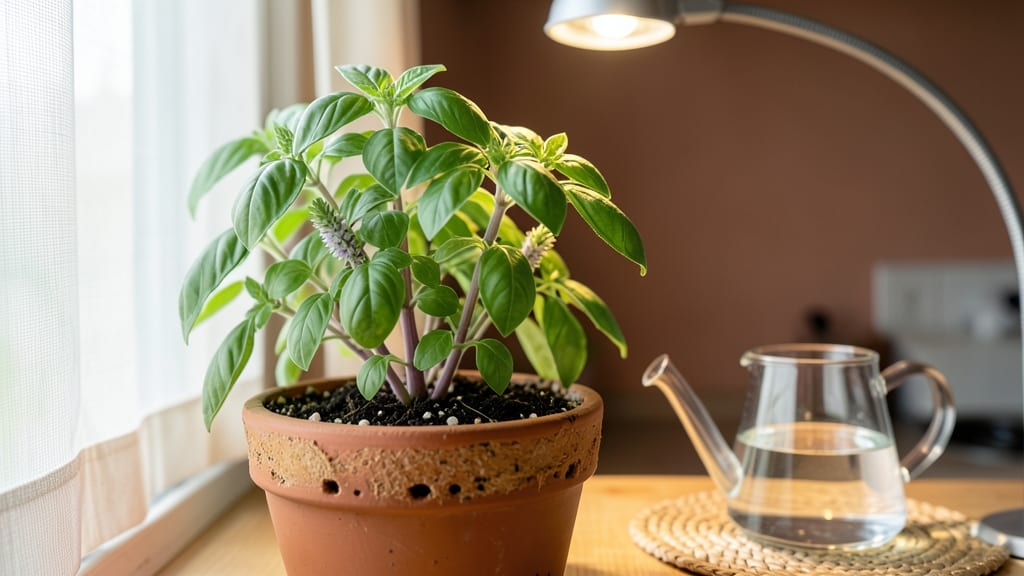
Raising basil indoors lets you enjoy fresh leaves year-round, but getting that lush, fragrant growth takes more than just a sunny windowsill. 🌿 I learned the hard way that basil needs specific light conditions, watering balance, and the right container setup—or it’ll bolt, wilt, or grow leggy.
My first indoor basil plant lasted just three weeks before turning bitter and scraggly, but after tweaking my approach, I’ve had plants thriving for six months straight. The secret starts with 6-8 hours of bright light daily—either from a south-facing window or a grow light.
Basil hates soggy soil, so I use a well-draining potting mix and water only when the top inch feels dry. A small, shallow container (like a 6-inch pot) keeps roots happy without overwhelming the plant.
Once you’ve got those basics, pruning regularly encourages bushier growth, and a pinch of fertilizer every few weeks keeps it productive. By mid-spring, your basil will be bursting with glossy leaves and that unmistakable scent. I harvest leaves constantly—just snip what you need—and the plant keeps producing.
The key is consistency: too much water, not enough light, or skipping pruning will send it into decline. But get it right, and you’ll have fresh basil for pesto, salads, or tea all winter long.
This method works for Genovese, Thai, or purple basil—just adjust light and humidity slightly for tropical varieties. The biggest mistake? Assuming indoor basil is low-maintenance. It’s not. But once you nail the balance, you’ll never buy it at the store again.
📚 In This Guide
- What you need
- Instructions
- Tips and common mistakes
- Wrapping up and next steps
What you need
- ● Basil plants: 1–3 seeds or seedlings (genovese, sweet, or Thai basil work well indoors)
- ● Container: 1–2 pots (6–12 inches in diameter) with drainage holes (terracotta or ceramic preferred)
- ● Potting mix: 1 bag of well-draining, organic soil (avoid garden soil—it compacts too much!)
- ○ Grow lights (optional but recommended): 1 full-spectrum LED grow light (12–16 inches above plants for 12–16 hours/day)
- ● Spray bottle: 1 (for gentle watering)
- ● Fertilizer: Balanced liquid fertilizer (5-5-5 or organic options like fish emulsion)
- ● Pruning shears: 1 pair (for harvesting and shaping)
- ● Humidity tray: 1 (or a pebble tray to boost moisture)
- ○ Support (optional): Small stakes or a tomato cage (if growing tall varieties)
- ● 🌡️ Keep it warm: Basil thrives in 70–80°F (21–27°C)—place near a sunny window or under grow lights.
- ● ✨ Rotate pots: Turn containers weekly for even light exposure (prevents leggy growth!).
Step-by-step instructions for raising basil indoors
Here’s how to grow basil indoors with the right light and care for plants that smell amazing and stay productive.
🌱 Step 1: Choose the Right Container and Soil
Start with a 6-8 inch pot for each basil plant—this gives roots room to spread without getting root-bound. I like terracotta pots because they breathe and help prevent soggy soil. Fill the pot with well-draining potting mix (never garden soil—it compacts too much). Press the soil down gently so it’s firm but not packed, and leave about 1 inch of space at the top for watering.
If you’re planting seeds, sow them ¼ inch deep, two seeds per pot. If using a starter plant, dig a hole the same depth as the root ball and place it in the center. Water lightly right after planting to settle the soil around the roots. You’ll know it’s right when the soil feels damp but not dripping wet.
☀️ Step 2: Position for Maximum Light Exposure
Basil needs 6-8 hours of bright, direct sunlight daily—a south-facing window is ideal. If your space is north-facing, you’ll need a grow light (LED bulbs work best) placed 2-4 inches above the plant and left on for 14-16 hours a day. Watch for leggy growth—thin, stretched stems with pale leaves mean your basil isn’t getting enough light.
Rotate the pot a quarter turn every few days so the plant grows evenly toward the light. You’ll see stronger, bushier growth within a week if the light is right. If leaves start yellowing, move the plant closer to the light or increase the grow light’s intensity.
💧 Step 3: Water and Fertilize for Healthy Growth
Water basil when the top inch of soil feels dry to the touch—overwatering is the fastest way to kill it. Stick your finger in the soil; if it’s damp, wait another day. When you water, do it at the base to avoid wetting the leaves, which can cause fungal issues. Use room-temperature water to prevent shocking the roots.
Feed your basil every 2-3 weeks with a balanced liquid fertilizer (like 10-10-10) diluted to half strength. You’ll notice new leaves popping up faster and a stronger aroma—this means the plant is thriving. Stop fertilizing in late summer to encourage dormancy if your basil is slowing down.
✂️ Step 4: Prune and Harvest Regularly
Pinch off the top set of leaves when the plant reaches 6 inches tall to encourage bushier growth. This might seem counterintuitive, but it prevents the plant from flowering too soon, which makes the leaves bitter. Keep harvesting the outer leaves regularly—this tells the plant to produce more foliage instead of bolting.
Harvest in the morning when the essential oils are at their peak. Snip just above a leaf node (where leaves meet the stem) to encourage new growth. If you see flower buds forming, snip them off immediately—they’ll make your basil taste harsh. With consistent pruning, your plant will stay lush and productive for months.
🌿 Step 5: Watch for Pests and Adjust Care
Check the undersides of leaves weekly for aphids or spider mites—they love basil’s tender foliage. If you spot them, wipe the leaves with a damp cloth or spray with neem oil (mix 1 tsp with 1 quart of water). Basil is generally pest-resistant, but indoor conditions can create problems if humidity is too high.
If your basil’s leaves start curling or turning yellow, it might be getting too much water or not enough light. Adjust your care routine immediately—basil is forgiving, but it won’t recover if neglected. With the right light, water, and pruning, your indoor basil will stay fragrant and flavorful all season long.
Tips & tricks for perfect indoor basil growth
Indoor basil thrives when you pay attention to these often-overlooked details that make all the difference.
Light Exposure: That 6-8 hours of sunlight is non-negotiable, but here's what nobody tells you—if your window light feels weak, supplement with a grow light 2-4 inches away for those critical 14-16 hours. I've seen basil plants grow leggy because people assume "bright light" means dim overhead lighting. Place your hand near the plant—if you can't feel warmth, it's not enough.
Soil Selection: The well-draining potting mix is key, but don't skip the terracotta pot advantage. These pots wick away excess moisture through their walls, preventing root rot that kills basil faster than anything. If you must use plastic, drill a few drainage holes—your plant's roots will thank you with stronger growth.
Pruning Technique: When pinching those top leaves at 6 inches, make your cuts just above a leaf node where new growth emerges. I learned this the hard way—cutting too far down can shock the plant. Think of it like haircuts: you want to encourage new growth, not expose bare stems. This simple technique keeps your basil bushy for months.
Fertilizer Timing: The 2-3 week feeding schedule is perfect, but here's the secret: always dilute that fertilizer to half strength. Full strength burns delicate basil roots, and you'll know it's too strong when leaves start yellowing at the edges. I've ruined plants this way—don't make my mistake!
Pro Tips for Raising Basil Indoors
- Indoor basil thrives when you pay attention to these often-overlooked details that make all the difference.
- Light Exposure: That 6-8 hours of sunlight is non-negotiable, but here's what nobody tells you—if your window light feels weak, supplement with a grow light 2-4 inches away for those critical 14-16 hours.
- Soil Selection: The well-draining potting mix is key, but don't skip the terracotta pot advantage.
Frequently asked questions
Got questions about growing basil indoors? You’re not alone—this fragrant herb can be finicky! Here are answers to the most common concerns to help you cultivate a thriving indoor basil garden.
How much sunlight does indoor basil really need?
Basil thrives on 6–8 hours of bright, direct light daily. A south-facing window or a grow light (12–16 hours/day) works best. Without enough light, leaves turn pale or leggy. Rotate your plant weekly for even growth!
Why is my basil wilting or turning yellow?
Yellow leaves often signal overwatering or poor drainage. Let the top inch of soil dry out between waterings, and ensure pots have drainage holes. Brown edges? It’s likely underwatering or low humidity—mist leaves or use a pebble tray!
How long does it take for indoor basil to grow enough for harvest?
With proper care, you can harvest small leaves in 4–6 weeks and full-size leaves in 8–10 weeks. Pinch off flowers to encourage leaf growth. For continuous harvests, trim stems just above a leaf pair—new growth will sprout in 2–3 weeks!
Can I grow basil indoors without a sunny window?
Grow lights
(LED or fluorescent) are a game-changer. Place them 6 inches above the plant and run them for 12–16 hours/day. Budget-friendly alternatives: Rotate pots near the brightest spot in your home or use a reflective surface (like aluminum foil) to maximize light.
What’s the best way to revive leggy or sparse basil?
Leggy basil? Prune it back by ⅓ to encourage bushier growth. Move it to a sunnier spot or under a grow light immediately. For sparse plants, check for root-bound roots—repot if needed. A balanced liquid fertilizer (diluted to half-strength) can also boost vigor!
Wrapping up and next steps
Raising basil indoors is a rewarding journey that brings fresh, fragrant herbs right to your kitchen—no green thumb required! 🌱 With the right sunlight exposure, containers, and care, you’ll enjoy a thriving plant all year round.
Whether you’re a beginner or a seasoned gardener, these tips will help you grow basil that’s almost too perfect to resist.
Now that you’re armed with the knowledge, take the next step: grab your supplies, place that basil pot in the sunniest spot, and watch it grow! Share your progress with fellow plant lovers—you’ve got this! 🌿