
Container Gardens
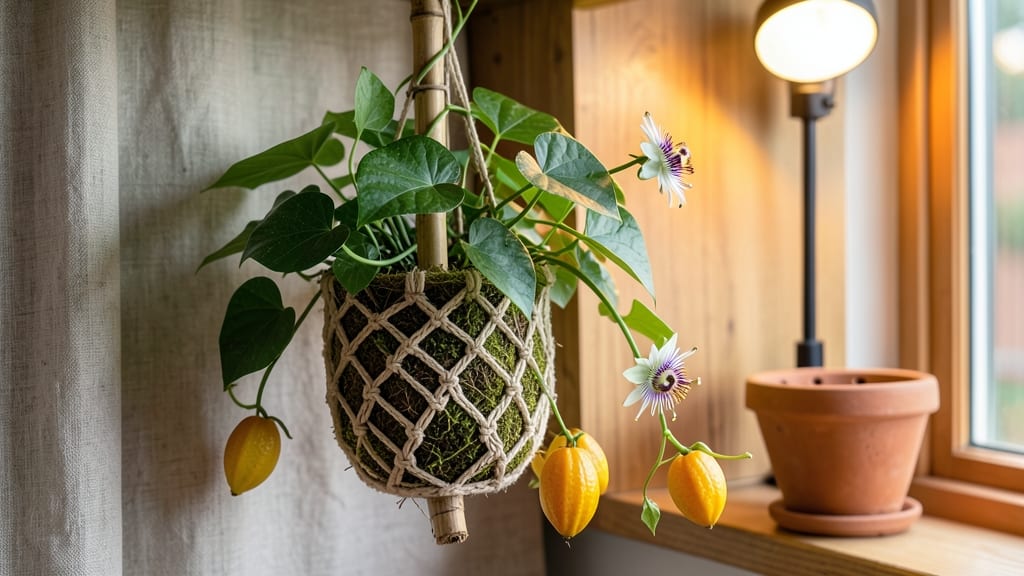
Growing passion fruit indoors lets you harvest tropical sweetness year-round—no backyard needed. 🌿 I’ve grown these vines in my sunroom for three years, and the first ripe fruit in February still tastes fresher than summer store-bought.
The secret isn’t fancy equipment but matching your space to the plant’s needs: bright light, warm air, and a little patience.
Start with a purple passion fruit vine (like ‘Panama Red’), which thrives in containers. You’ll need a 10-15 gallon pot with drainage, a sturdy trellis (they grow 10-15 feet!), and a grow light if natural light is weak.
Keep temps between 65-85°F—drafty windowsills are out. Water when the top inch of soil dries, but avoid soggy roots.
By summer, you’ll see fragrant white flowers followed by fruit in 6-8 months. Prune leggy growth in spring to encourage bushiness, and fertilize monthly with a balanced 10-10-10 mix.
The first harvest might be small, but each vine matures into a self-sufficient producer—just like my sunroom’s vine that gave me 20 fruits last winter.
Works in apartments, greenhouses, or even a bright hallway with supplemental light. The key? Consistency—these vines reward steady care with juicy, tangy rewards that taste like childhood vacations. Let’s get yours growing!
📚 In This Guide
- What you need
- Instructions
- Tips and common mistakes
- Wrapping up and next steps
What you need
- ● Passion fruit vine: Start with a Passiflora edulis (purple passion fruit) or Passiflora ligularis (sweet granadilla) plant—either a young transplant or a 6-inch cutting with nodes.
- ● Large container: A 10–15 gallon pot with drainage holes (minimum 12 inches deep). Terracotta or fabric pots work best!
- ● High-quality potting mix: A well-draining blend (e.g., 60% coconut coir, 20% perlite, 20% compost). Avoid heavy garden soil.
- ● Support structure: A trellis, bamboo stake, or sturdy wire cage (6+ feet tall) for the vine to climb.
- ● Grow lights: A full-spectrum LED grow light (e.g., 100W–200W) for 12–14 hours/day, placed 12–18 inches above the plant.
- ● Fertilizer: A balanced liquid fertilizer (10-10-10 or 20-20-20) or organic options like fish emulsion or worm castings.
- ● Pruning shears: Sharp, clean shears for trimming vines and removing dead leaves.
- ○ Humidity tray or pebble tray: Optional but helpful for maintaining tropical moisture levels.
- ● pH meter or test kit: To monitor soil pH (ideal range: 6.0–7.0 for passion fruit).
- ● Misting bottle: For daily light misting if humidity drops below 50%.
- ● Time: A smart plug or timer for automated grow light scheduling.
- ● Pollination aid: A soft paintbrush to hand-pollinate flowers if indoor bees aren’t around.
- ● Decorative elements: Tropical-themed pots, hanging planters, or air plants to create a lush indoor jungle vibe!
Step-by-Step instructions for growing passion fruit indoors
Here’s how to coax tropical passion fruit vines into thriving indoor harvests—no greenhouse needed.
🌱 Step 1: Select and Prepare a Healthy Vine
Choose a passion fruit vine (either purple or yellow varieties) with at least 3-4 mature leaves and visible buds—this ensures it’s strong enough to handle indoor conditions. I always opt for container-grown plants from a nursery rather than bare-root cuttings, as they’ve already established roots and are less stressed.
Before planting, inspect the roots for any signs of rot or damage. Snip off any mushy or blackened sections with clean scissors, then dip the remaining roots in a 1:10 hydrogen peroxide solution for 5 minutes to sterilize. This prevents fungal issues that can cripple your vine later. Let the roots air-dry for 10-15 minutes afterward to avoid waterlogged soil.
🪴 Step 2: Plant in a Large, Well-Draining Container
Passion fruit vines need room to sprawl, so use a 5-gallon pot or larger with drainage holes—these vines hate soggy feet. Fill the bottom 2 inches with a mix of perlite and small gravel to improve drainage and prevent root rot. This layer mimics the vine’s natural habitat, where roots need air circulation.
Fill the pot halfway with a lightweight, airy cactus/succulent mix blended with 20% compost. Gently loosen the vine’s root ball and place it in the center, then backfill with more mix, pressing lightly to eliminate air pockets. Leave the soil surface 1 inch below the pot’s rim—this prevents water from spilling over when you water.
☀️ Step 3: Position for Maximum Light Exposure
Passion fruit vines demand 6-8 hours of direct sunlight daily, so place your pot near a south- or west-facing window. If natural light is insufficient, supplement with a full-spectrum LED grow light positioned 6-12 inches above the plant for 12-14 hours daily. I’ve found that vines grown under grow lights produce slightly smaller fruit but compensate with more consistent yields.
Rotate the pot a quarter turn weekly so the vine grows evenly toward the light source. You’ll notice new growth leaning toward the light—this is normal, but if the stems stretch excessively (a sign of "legginess"), the light is too far away. Adjust the height until the vine grows upright with compact internodes.
💧 Step 4: Water and Fertilize for Optimal Growth
Water the vine deeply when the top 2 inches of soil feel dry, which typically means every 5-7 days in warm conditions. Passion fruit vines are drought-tolerant but despise soggy soil—overwatering leads to root rot and dropped buds. I use a self-watering pot with a moisture meter to avoid guesswork, especially in winter when humidity drops.
Feed the vine every 4-6 weeks with a balanced liquid fertilizer (10-10-10) diluted to half-strength. During flowering and fruiting seasons, switch to a high-phosphorus fertilizer (5-10-5) to encourage blooms and fruit set. I also sprinkle a handful of crushed eggshells around the base monthly for extra calcium, which prevents blossom-end rot in the fruit.
✂️ Step 5: Prune and Train for Productivity
Prune your vine in early spring to shape it and encourage bushier growth. Cut back any leggy or weak stems to 6 inches above a leaf node, and remove any dead or diseased branches immediately. This redirects the vine’s energy toward producing new, healthy growth. I also pinch off the tips of new shoots to promote branching—this creates a fuller plant with more fruiting sites.
Train the vine to climb a trellis or sturdy stake using soft plant ties. This not only saves space but also improves air circulation around the plant, reducing the risk of fungal diseases. If you’re growing in a small space, let the vine trail along a shelf or windowsill—just ensure it has access to light and support. Prune regularly throughout the year to remove any fruit that appears small or deformed, as this focuses the vine’s energy on producing fewer, higher-quality fruits.
Tips & tricks for perfect indoor passion fruit growth
These insider tricks will help you bypass common pitfalls and maximize your tropical harvest indoors.
Root Sterilization Secret: That 5-minute hydrogen peroxide dip in Step 1 isn't just about sterilization—it's also a great way to test your roots. If bubbles form vigorously, you've got healthy roots ready to grow. For extra insurance, especially in humid homes, I add a pinch of cinnamon to the soil after planting—it's a natural antifungal that works wonders without chemicals.
Light Source Strategy: When supplementing with grow lights in Step 3, position them so they're just above the tallest leaves—not the top of the plant. This creates a "canopy effect" where lower leaves get light too, preventing leggy growth. I've found that moving the light closer (6 inches) for the first 4 hours of the 12-14 hour cycle gives a nice boost to new growth without overheating.
Watering Wisdom: The "every 5-7 days" guideline in Step 4 is perfect for average homes, but here's what nobody tells you: Passion fruit vines actually prefer slightly drier conditions than most tropical plants. In winter, I often go 10-12 days between waterings when my home gets dry from heating. The key is that top 2 inches—if it's dry at 2 inches but still damp at 4 inches, you're golden.
Pruning Payoff: That 6-inch pruning rule in Step 5 works best when you make clean cuts at a 45-degree angle just above a leaf node. This creates more surface area for new growth to emerge. I also recommend keeping a small notebook by your plant—jot down when you prune and what the plant looks like afterward. You'll start noticing patterns in how your specific vine responds to different pruning times.
Pro Tips for Passion Fruit Indoors
- These insider tricks will help you bypass common pitfalls and maximize your tropical harvest indoors.
- Root Sterilization Secret: That 5-minute hydrogen peroxide dip in Step 1 isn't just about sterilization—it's also a great way to test your roots.
- Light Source Strategy: When supplementing with grow lights in Step 3, position them so they're just above the tallest leaves—not the top of the plant.
Frequently asked questions
Got questions about growing passion fruit indoors?
You’re not alone—this tropical fruit can be tricky! Here are answers to the most common queries to help you cultivate a thriving vine and sweet rewards.
Can I grow passion fruit indoors year-round?
Yes! With the right setup—like bright, indirect light (or grow lights), warm temperatures (65–85°F), and high humidity—you can grow passion fruit indoors. Varieties like Passiflora edulis (purple passion fruit) adapt best, but expect slower growth and smaller fruit than outdoor plants. Patience and consistency are key!
How long does it take for indoor passion fruit to bear fruit?
Indoor passion fruit vines typically take 1–3 years to produce fruit, depending on light, care, and variety. Young plants focus on leafy growth first, so don’t rush—provide support (like a trellis) early and ensure they get 12+ hours of light daily. Pollination may require a soft brush to transfer pollen between flowers.
What if my indoor passion fruit leaves turn yellow?
Yellowing leaves often signal overwatering, underwatering, or poor drainage. Check the soil—it should stay lightly moist but never soggy. Adjust your watering schedule (every 1–2 weeks, depending on humidity) and ensure the pot has drainage holes. Yellow edges? Low humidity might be the culprit—try a pebble tray or humidifier!
Are there easier indoor fruit alternatives?
If passion fruit feels too demanding, try these low-maintenance indoor fruits:
- Dwarf citrus trees (lemons, limes) – Thrive in bright light and reward with edible fruit.
- Strawberries – Grow in containers with good drainage; harvest in 6–8 weeks!
- Fig trees – Hardy and fast-growing, with sweet, small fruits.
How do I pollinate passion fruit flowers indoors?
Passion fruit flowers are self-pollinating but benefit from help. Use a soft paintbrush or cotton swab to gently transfer pollen from the male (thread-like) parts to the female (center) of the flower. Do this in the morning for best results. Avoid harsh tools—delicate petals bruise easily!
Wrapping up and next steps
Growing passion fruit indoors is totally doable—even for beginners! 🌱 With the right light tricks, container setup, and a little patience, you can enjoy homegrown tropical fruit year-round. Whether you’re using grow lights, a sunny windowsill, or a greenhouse hack, the key is consistency and love.
Ready to take the next step? Start small—plant a cutting or seedling today and watch your indoor garden thrive. Share your progress with fellow plant lovers, and soon, you’ll be savoring sweet, juicy passion fruit straight from your home! 🍈✨