
Size
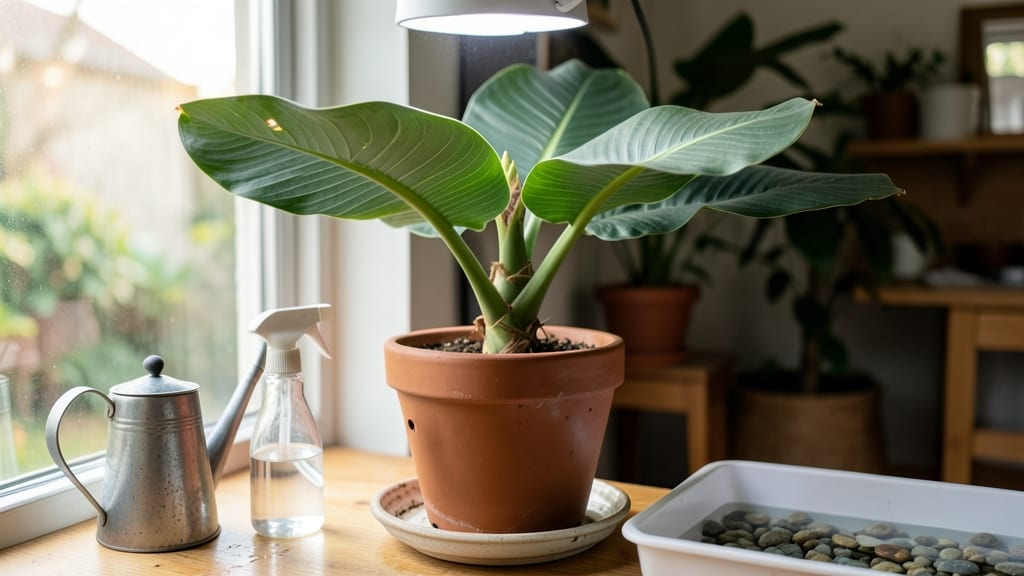
Growing a banana plant indoors means tropical fruit within arm's reach—even in a tiny apartment. 🌿 I've nurtured mine through three winters, and the secret isn't complicated: it's about mimicking the plant's natural habitat with light, warmth, and a little extra humidity.
My first attempt failed when I ignored these basics, but now I get bright green leaves and the occasional flower spike by midsummer.
You'll need a 5-gallon pot with drainage, a well-draining potting mix (think 60% peat or coconut coir, 30% perlite, and 10% compost), and a sunny spot where temperatures stay between 65-85°F.
Banana plants crave light—place yours within 3 feet of a south-facing window or supplement with a grow light for 12-14 hours daily. The key is consistency: too little light stunts growth, while too much can scorch the broad leaves.
By summer's end, you'll see the plant reaching 6-8 feet tall with glossy, strap-like leaves. Prune leggy stems to encourage bushier growth, and watch for the dramatic 6-foot flower spike that signals fruiting potential.
Yes, indoor bananas rarely produce fruit, but the lush foliage alone makes it worth the effort—and the occasional ripe banana is the sweetest reward. 🍌
This works for any indoor space with bright light, from city apartments to sunrooms. The biggest mistake? Overwatering—banana plants hate soggy roots. Let the top 2-3 inches of soil dry between waterings, and boost humidity with a pebble tray or humidifier.
Pests like spider mites are rare but show up when air is too dry, so keep an eye out for webbing on the undersides of leaves.
📚 In This Guide
- What you need
- Instructions
- Tips and common mistakes
- Wrapping up and next steps
What you need
- ● Banana plant: A Musa acuminata or Musa balbisiana (dwarf varieties like ‘Dwarf Cavendish’ or ‘Red Dwarf’ are best for indoors). 1 plant (potted or from a nursery).
- ● Container: A 15–20 gallon pot with drainage holes (terracotta or fabric pots work well). Pro tip: 💡 Use a pot at least 12 inches deep to accommodate roots!
- ● Well-draining potting mix: A blend of 60% peat moss or coconut coir, 30% perlite or pumice, and 10% compost. 1 bag (1–2 cubic feet).
- ● Drainage layer: 2–3 inches of gravel or perlite at the bottom of the pot.
- ● Fertilizer: A balanced liquid fertilizer (10-10-10 or 20-20-20) or organic options like fish emulsion or banana peel compost tea. 1 bottle.
- ● Watering can with a narrow spout: For precise watering (avoid over-saturation!). 1 can.
- ○ Grow lights (optional but helpful): A full-spectrum LED grow light (1000–2000 lumens) for 12–14 hours/day if natural light is 1–2 lights.
- ● Humidity tray: A shallow tray with pebbles and water to boost humidity (banana plants love it!). 1 tray.
- ● Spray bottle: For misting leaves (especially in dry climates). 1 bottle.
- ● Pruning shears: For trimming dead leaves or suckers. 1 pair.
- ● pH test kit: To check soil pH (ideal range: 5.5–7.0). 1 kit.
Step-by-Step instructions for growing a banana plant indoors
Here’s how I’ve successfully grown tropical banana plants indoors—no greenhouse required.
🪴 Step 1: Select the Right Container and Soil Mix
Choose a 5-gallon or larger container with drainage holes to prevent root rot. I use a well-draining potting mix blended with 20% perlite or orchid bark—banana plants hate soggy roots. The mix should feel light and airy, like a damp sponge that crumbles easily when squeezed.
If repotting an existing plant, size up by 2-3 inches in diameter to give roots room to spread. Place a 2-inch layer of gravel or broken pottery at the bottom for extra drainage. This prevents water from pooling at the roots, which can cause fungal issues.
🌱 Step 2: Plant the Banana Pseudo-Stem Correctly
Banana plants grow from rhizomes or pups (offshoots) rather than true stems. If starting from a pup, separate it gently from the mother plant, ensuring it has at least 3-4 inches of roots. Plant it 1-2 inches deep in the soil, with the base of the pup just below the surface.
Press the soil lightly around the pup to eliminate air pockets, but don’t compact it—banana roots need oxygen. Water lightly immediately after planting, just enough to settle the soil without soaking it. Overwatering now can drown the delicate roots before they establish.
☀️ Step 3: Position for Maximum Light and Warmth
Banana plants thrive in bright, indirect light—think 6-8 hours of sunlight daily. A south- or west-facing window works best, but if natural light is limited, supplement with a grow light positioned 12-18 inches above the plant. You’ll notice leaves turning yellow or drooping if light is insufficient.
Keep temperatures between 65-85°F—bananas are tropical and won’t tolerate drafts or cold windowsills. If your home runs cooler, a small space heater near the plant (but not too close) helps maintain warmth. Avoid sudden temperature swings, which stress the plant.
💧 Step 4: Water and Fertilize for Healthy Growth
Water when the top 2-3 inches of soil feel dry—stick your finger in to check. Banana plants drink a lot, but they hate sitting in water. I water deeply until it drains from the bottom, then empty the saucer to prevent root rot. In winter, reduce watering to every 7-10 days as growth slows.
Feed with a balanced liquid fertilizer (10-10-10) every 4-6 weeks during growing season (spring-fall). In winter, cut back to once every 8-10 weeks. You’ll see new fronds unfurling vigorously when fertilization is right—weak, slow growth means it’s time to feed again.
✂️ Step 5: Prune and Maintain for Long-Term Success
Remove yellow or damaged leaves at the base with clean pruners to redirect energy to new growth. If the plant flowers indoors, you can snip the bloom to save energy for foliage—bananas rarely fruit indoors, but the plant will still grow lushly. I also trim any suckers (pups) that appear at the base, saving one to repot for a new plant.
Rotate the pot quarter-turn weekly so the plant grows evenly toward the light. If the pseudo-stem leans, it’s a sign the light source isn’t balanced. With proper care, your banana plant can reach 6-10 feet tall indoors—just be ready to move it to a larger container every 1-2 years as it outgrows its home.
Tips & tricks for perfect indoor banana plant growth
Here's what nobody tells you about keeping your tropical friend thriving year-round.
Soil Texture Matters: When mixing your well-draining potting blend, aim for a consistency that holds moisture but still allows air circulation. I take a handful of the damp mix and squeeze it—it should crumble easily with slight pressure, not stay clumped. This prevents both underwatering and root suffocation. The 20% perlite or orchid bark creates those crucial air pockets that banana roots crave.
Pup Selection Strategy: When choosing which pup to plant from Step 2, look for one with roots that are at least 3-4 inches long but still white or pale yellow—these indicate healthy, actively growing roots. Avoid pups with brown or mushy roots, as they've already started to deteriorate. The base of the pup should be firm, not soft or hollow, which signals it's ready to establish itself.
Light Supplement Hack: If you're using a grow light as mentioned in Step 3, position it so the light source covers the entire plant surface, not just the top. I use a simple LED grow bulb on a timer for 12 hours daily—this mimics natural daylight cycles and prevents the plant from stretching unnaturally toward one light source. The 12-18 inch distance recommendation is critical: too close burns leaves, too far reduces effectiveness.
Fertilizer Timing: The 4-6 week feeding schedule during growing season is ideal, but here's the secret: I always fertilize right after watering. This prevents fertilizer burn from concentrated salts in dry soil. In winter, when you reduce to every 8-10 weeks, consider using a weaker solution (half-strength) to avoid overfeeding the dormant plant. You'll notice the difference in leaf color and growth vigor within just a few weeks.
Pro Tips for Grow A Banana Plant Indoors
- Here's what nobody tells you about keeping your tropical friend thriving year-round.
- Soil Texture Matters: When mixing your well-draining potting blend, aim for a consistency that holds moisture but sti...
- Pup Selection Strategy: When choosing which pup to plant from Step 2, look for one with roots that are at least 3-4 i...
Frequently asked questions
Got questions?
Growing a banana plant indoors is rewarding, but it’s natural to have doubts—especially for beginners! Here are answers to the most common queries to help you nurture your tropical friend with confidence.
How long does it take for an indoor banana plant to produce fruit?
Patience is key! Most dwarf banana varieties (like Musa acuminata) take 1.5 to 3 years to flower and fruit indoors. Factors like light, temperature, and care consistency speed up the process. If your plant isn’t blooming after 2 years, check if it’s getting enough sunlight (6+ hours daily) and warmth (70–85°F).
Can I grow a banana plant from a grocery store banana?
Yes, but with caveats! Save the top 1–2 inches of a banana stem (where the buds are), let it dry for 2–3 days, then plant it in moist soil. Success rates are low (around 20%), but it’s a fun experiment. For better results, start with a dwarf Cavendish rhizome from a nursery.
Why is my indoor banana plant turning yellow or dropping leaves?
Yellow leaves usually signal overwatering, underwatering, or poor drainage. Check the soil—it should be slightly moist but not soggy. Brown tips? Low humidity. Drooping leaves? Thirsty! Move your plant to a brighter spot (but avoid harsh direct sun) and adjust watering. Banana plants also shed older leaves naturally as they grow.
What’s the best indoor location for a banana plant?
Place your banana plant in the sunniest window (south- or west-facing) or under a grow light for 12–14 hours daily. Avoid drafts (like AC vents) and temperatures below 60°F. If your home lacks natural light, a full-spectrum LED grow light 6–12 inches above the plant works wonders.
Will my indoor banana plant grow big enough to bear fruit?
Dwarf varieties (like Red Dwarf or Ice Cream) thrive indoors and can produce small, edible fruit (though not as large as outdoor bananas). For bigger harvests, opt for a 10–15 gallon pot and prune suckers to direct energy to fruit production. Just remember: indoor bananas are a labor of love—enjoy the journey!
Wrapping up and next steps
Growing a banana plant indoors is a rewarding journey that brings a touch of the tropics to your home—no matter the season! 🌱 With the right light, container, and care, you’ll enjoy lush foliage and even the chance for sweet fruit.
Start small, stay patient, and let your green thumb flourish.
Ready to dive deeper? Experiment with varieties like the dwarf Cavendish or explore propagation tips to expand your indoor jungle. Happy growing—your future banana harvest awaits! 🍌✨