
Planting
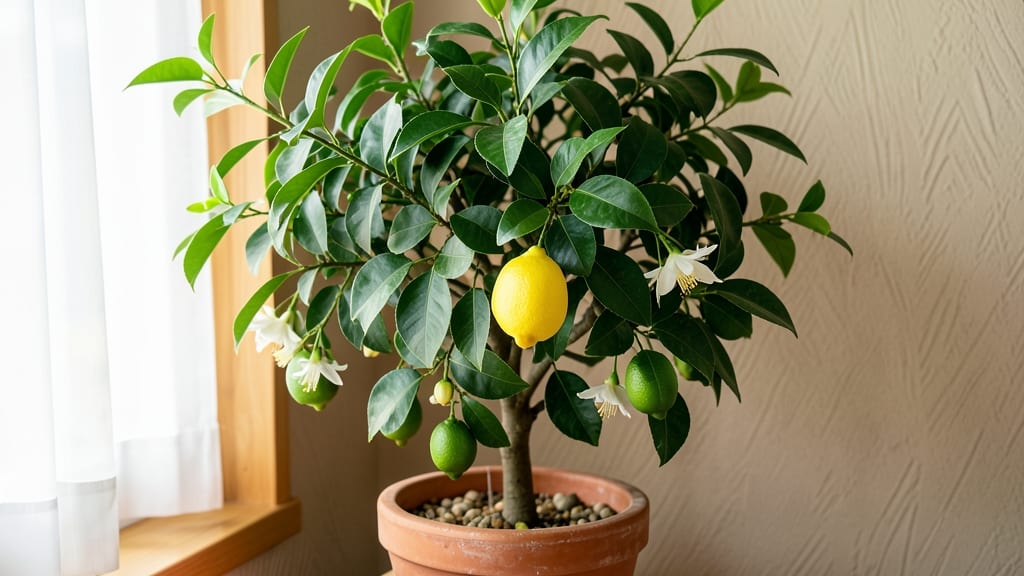
Your kitchen could smell like a Mediterranean orchard year-round with a thriving indoor lemon plant. 🌿 The secret isn't complicated—it's about light, water, and three simple pruning cuts that keep your plant productive and fragrant.
I've grown lemons indoors for five years, and this method has given me blooms in winter and fruit by spring, even in my dim apartment. The right variety makes all the difference—choose dwarf Meyer lemons for indoor growing.
They stay compact, produce reliably, and handle lower light better than standard types. You'll need a 10-15 gallon pot, well-draining soil, and a sunny south-facing window (or a grow light for 12+ hours daily).
Water when the top inch of soil dries, and fertilize monthly with citrus-specific food during growing seasons. Those three pruning cuts? They're the game-changer. Trim back leggy growth in early spring, shape the plant after harvest, and remove dead branches in late winter.
Each cut encourages bushier growth and more flowers. Within months, you'll have glossy leaves, fragrant blossoms, and—with patience—juicy lemons right on your countertop. This works even in small spaces or apartments. The key is consistency: mimic summer conditions in winter with occasional misting and extra light.
Troubleshoot yellow leaves by checking water drainage, and watch for spider mites by keeping humidity up. Your kitchen will never smell as good as when fresh lemons ripen indoors.
📚 In This Guide
- What you need
- Instructions
- Tips and common mistakes
- Wrapping up and next steps
What you need
- ● Lemon plant (Citrus × limon) – Choose a healthy, disease-free nursery-grown plant (dwarf varieties like Meyer lemon work best for indoor growing).
- ● 6–10-inch pot – Ensure it has drainage holes (terracotta or ceramic pots are ideal).
- ● Well-draining potting mix – A blend of 50% cactus/succulent mix and 50% peat or coconut coir (avoid heavy garden soil!).
- ● Drainage tray or saucer – To catch excess water and prevent root rot.
- ● Balanced liquid fertilizer – A 10-10-10 or 20-20-20 NPK formula (diluted to half-strength).
- ● Spray bottle – For misting leaves (especially in dry climates).
- ● Pruning shears or sharp scissors – Sterilized with rubbing alcohol to prevent infection.
- ○ Grow lights (optional but helpful) – A full-spectrum LED grow light (12–16 hours/day) if natural light is limited.
- ● Humidity tray – A pebble tray with water to boost moisture levels.
- ● Citrus-specific fertilizer – For a nutrient boost tailored to lemon trees.
- ● Support stake or trellis – If your plant grows tall and needs structure.
- ● Soil moisture meter – To avoid over- or under-watering.
- ● Propagating containers – Small pots or water jars for rooting cuttings.
Step-by-step instructions for growing a thriving indoor lemon tree
Here's my foolproof method for growing a fragrant, fruit-bearing lemon tree indoors—no green thumb required.
🌱 Step 1: Choose and Prepare the Right Container
Start with a 5-7 gallon pot that has drainage holes—lemon trees hate soggy roots. I like terracotta because it breathes and helps prevent overwatering. Fill the bottom 2 inches with small gravel or broken pottery pieces to create a drainage layer that keeps roots from sitting in water.
Use a well-draining potting mix designed for citrus—regular garden soil compacts too much and suffocates roots. Mix in 20% perlite or coarse sand to improve aeration. Fill the pot to about 1 inch below the rim, leaving room for the plant and future growth. Tap the pot gently on the table to settle the soil without compacting it too tightly.
☀️ Step 2: Position for Maximum Light and Warmth
Lemon trees need 6-8 hours of bright, direct sunlight daily. Place your tree near a south-facing window or under a grow light if natural light is limited. You'll know it's getting enough light when the leaves are a vibrant green and new growth appears regularly.
Keep the temperature between 60-75°F during the day and no lower than 50°F at night. Avoid drafts from windows, doors, or vents—lemon trees are sensitive to sudden temperature drops. If you notice leaves yellowing or dropping, move the plant away from cold spots or heat sources like radiators.
💧 Step 3: Water Deeply but Infrequently
Water your lemon tree only when the top 2-3 inches of soil feel completely dry. Stick your finger into the soil—if it's dry at that depth, it's time to water. When you do water, soak the soil thoroughly until water runs out the drainage holes. Empty the saucer afterward to prevent root rot.
Overwatering is the #1 killer of indoor lemon trees. I use the "soak and dry" method: water deeply, then wait until the soil is dry before watering again. This encourages strong root growth and prevents the roots from sitting in water. Yellow leaves often signal overwatering—let the soil dry out more between waterings if this happens.
✂️ Step 4: Prune for Shape and Health
Prune your lemon tree 2-3 times a year to encourage bushier growth and better fruit production. Use clean, sharp pruning shears to trim back any leggy or overgrown branches. Cut just above a leaf node or bud to promote new growth. Remove any dead, diseased, or crossing branches first—they compete with healthy growth for nutrients.
After pruning, give your tree a light fertilizer application to support new growth. I like to fertilize every 4-6 weeks during the growing season (spring and summer) with a balanced citrus fertilizer. Avoid fertilizing in fall and winter when the tree is dormant. Pruning also helps maintain that fragrant, lush look you're growing it for!
🌿 Step 5: Encourage Flowering and Fruit
To get flowers and fruit, your lemon tree needs a few things: bright light, proper watering, and occasional feeding. If your tree isn't flowering after a year, it might need more light or nutrients. Move it closer to a sunny window or supplement with a grow light for 14-16 hours daily.
When you see buds forming, reduce water slightly and avoid fertilizing—too much water or nutrients can cause the buds to drop. Once flowers appear, hand-pollinate them by gently shaking the tree or using a small brush to transfer pollen. With patience, you'll see small lemons forming in 6-12 months—harvest them when they're fully yellow and slightly soft to the touch.
Tips & tricks for perfect indoor lemon trees
These simple strategies will help you avoid the most common pitfalls when growing your fragrant citrus companion indoors.
Container Selection: The 5-7 gallon pot size is ideal for young trees, but remember you'll need to upgrade to 10-15 gallons within 2-3 years as your lemon tree matures. Terracotta pots are great for wicking moisture, but if you prefer plastic, choose one with thick walls to maintain more consistent soil temperatures. The 2-inch gravel layer at the bottom is crucial—it prevents compaction and creates that vital air pocket roots need to breathe.
Light Optimization: Those 6-8 hours of direct sunlight are non-negotiable for fruit production. If your south-facing window isn't sufficient, supplement with a full-spectrum LED grow light placed 6-12 inches above the tree for 14-16 hours daily. Rotate your tree weekly to prevent one-sided growth—you'll notice leaves stretching toward the light if they're not getting even exposure.
Pruning Technique: When pruning those leggy branches in Step 4, always cut at a 45-degree angle just above a leaf node. This creates a natural shield that prevents water from pooling on the cut and causing rot. I like to prune right after flowering—this redirects energy toward fruit development rather than new leaf growth. The 2-3 times per year schedule works perfectly for maintaining that lush, fragrant look.
Fertilizer Timing: That 4-6 week fertilization schedule during growing season is perfect, but here's the trick: split your fertilizer dose in half and apply it twice—once in early spring and again in early summer. This prevents nutrient burn while still giving your tree everything it needs. Always water thoroughly before and after fertilizing to help distribute nutrients evenly through the soil.
Pro Tips for Lemon Plant Indoor
- These simple strategies will help you avoid the most common pitfalls when growing your fragrant citrus companion indo...
- Container Selection: The 5-7 gallon pot size is ideal for young trees, but remember you'll need to upgrade to 10-15 g...
- Light Optimization: Those 6-8 hours of direct sunlight are non-negotiable for fruit production. If your south-facing ...
Frequently asked questions
Got questions about growing a lemon plant indoors? You’re not alone! Here are some of the most common queries—and straightforward answers—to help you keep your citrusy companion thriving year-round.
How often should I trim my indoor lemon plant?
Trim your lemon plant every 3–6 months to encourage bushier growth and better fruit production. Prune after flowering (spring/summer) to avoid cutting off potential fruit. Use clean, sharp shears and remove only 1/3 of the plant at a time to avoid stress. Pro tip: Save trimmings to propagate new plants!
Can I keep my lemon plant indoors during winter?
Lemon plants thrive indoors year-round, but they need bright, indirect light (a south-facing window or grow lights). Keep temperatures above 50°F (10°C)—drafty spots or cold windowsills can shock the plant. Reduce watering in winter since growth slows, but avoid letting soil dry out completely.
Why aren’t my lemon plant’s leaves turning yellow?
Yellow leaves usually signal overwatering or nutrient deficiency. Check the soil: if it’s soggy, ease up on watering and ensure the pot has drainage holes. If leaves are pale or spotted, feed your plant with a balanced citrus fertilizer every 4–6 weeks. Bonus: Yellow edges? It might be dry air—mist leaves or use a pebble tray!
Can I grow a lemon plant from a grocery store lemon?
Yes! Sprout lemons (like Eureka or Meyer) work best. Soak the lemon in water for 24 hours, then place the bottom half (with seeds) in moist soil. Keep it warm and humid (a plastic bag works!). Seedlings take 3–6 months to sprout, but be patient—only 10–20% will grow into plants. Tip: Use a heat mat for faster germination!
What pests should I watch for on my indoor lemon plant?
Common pests include spider mites, scale, and aphids. Check undersides of leaves for webbing or sticky residue. Treat mild infestations with neem oil or insecticidal soap. For severe cases, isolate the plant and wipe leaves with a damp cloth dipped in soapy water. Prevent pests by keeping your plant dust-free and avoiding overcrowding.
Wrapping up and next steps
Growing a lemon plant indoors is a rewarding way to enjoy fresh citrus year-round—no backyard required! 🌿 With just a few simple trims, you’ll keep your plant healthy, encourage lush growth, and even harvest sweet lemons.
The key is patience, light, and a little TLC, but the fragrant blooms and tangy rewards make it worth every effort.
Ready to take the next step? Start by pruning your plant every few months to shape it and boost fruit production. Then, share your progress with fellow plant lovers—your indoor citrus oasis will inspire others to grow their own! 🍋✨