
Pruning
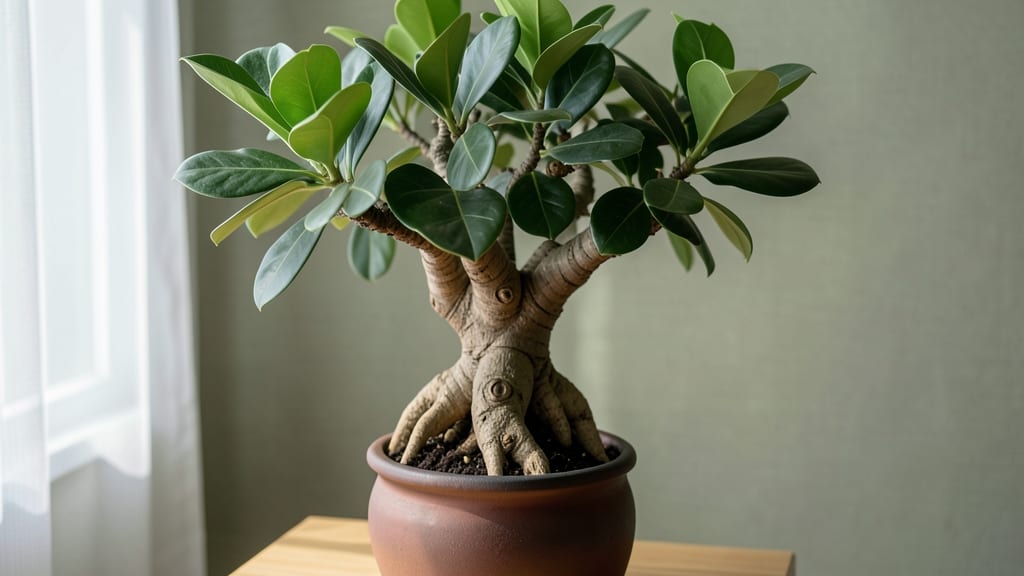
Your Japanese indoor tree could be the most lush centerpiece of your home—if you trim it right. 🌿 These elegant trees (like the Ginseng Ficus or Bonsai Fig) thrive with just three simple trims a year, but most people overcomplicate it.
The secret isn’t fancy tools—it’s understanding how these trees naturally grow and when to guide them.
I’ve kept mine thriving for years by focusing on light, water, and timing. These trees love bright, indirect light—think east-facing windows or a few feet from a south window. Water when the top inch of soil feels dry, and use well-draining soil to prevent root rot.
The key to those signature thick trunks? Pruning in late winter or early spring, just as new growth starts.
With the right care, you’ll end up with a tree that stays compact, bushy, and full of life—no leggy branches or sparse foliage. The trimming process takes less than 15 minutes and keeps your tree looking like a mini forest all year.
Plus, you’ll avoid the most common mistakes that turn these beauties into sad, sparse sticks.
Whether you’re starting with a tiny cutting or rescuing a neglected tree, these simple steps work for any indoor space. Let’s get your Japanese tree looking its best—without the guesswork.
📚 In This Guide
- What you need
- Instructions
- Tips and common mistakes
- Wrapping up and next steps
What you need
- ● Ready to cultivate your own Japanese indoor tree with minimal fuss? Here’s everything you’ll need to get started—whether you’re pruning for shape, health, or that signature Zen aesthetic. 🌿✂️
- ● Pro tip: 💡 Sterilize your tools before and after pruning to avoid spreading disease—just wipe with rubbing alcohol and let dry! For bonsai-style trims, grab a wire cutter too.
Instructions: simple trimming for a thriving Japanese indoor tree
Here’s how I keep my Japanese indoor tree lush and healthy with just three easy trims a year.
✂️ Step 1: Prune for Shape in Early Spring
Start trimming right after your tree finishes winter dormancy—usually in late February or early March when new growth begins. Look for leggy branches or those growing toward the light; these need pruning first. Use clean, sharp pruning shears to make cuts just above a leaf node or bud, angled slightly downward to encourage water runoff.
I never cut more than one-third of the foliage at once—this prevents stress. Focus on removing dead or yellowing leaves first, then shape the tree by trimming back any branches that look too long or crowded. You’ll see fresh, vibrant growth within 2-3 weeks as the tree responds to the trim.
🌿 Step 2: Light Trim for Bushiness in Mid-Summer
Around July, give your tree a light trim to encourage bushier growth. This is the time to pinch back new growth tips—just snip off the last ½ inch of soft, new shoots. You’re not removing much, just enough to signal the tree to branch out instead of growing tall and sparse.
Check for any branches rubbing against each other or growing inward; these should be pruned at the base. Avoid heavy cuts now—this is about maintenance, not drastic reshaping. After trimming, wipe down the leaves with a damp cloth to remove dust, which helps the tree absorb more light and stay healthy.
🪴 Step 3: Clean Up Before Winter in Late Fall
In October or November, before the tree enters dormancy, do a final trim to remove any dead, diseased, or weak branches. Focus on cleaning up the overall shape and removing any leaves that look yellowed or damaged. This keeps the tree looking tidy and reduces pests that might overwinter in dead foliage.
I also like to give the tree a light pruning of long stems to prevent it from getting too leggy over winter. Avoid heavy trimming now—you want the tree to go into dormancy strong. After trimming, reduce watering slightly to mimic the natural slowdown in growth during colder months.
☀️ Step 4: Adjust Light Exposure After Each Trim
After each trim, move your tree to check its light exposure. Japanese indoor trees thrive in bright, indirect light—a south- or east-facing window is ideal. If you notice new growth leaning toward the light, rotate the pot a quarter turn weekly to keep the tree growing evenly.
If leaves start yellowing or dropping, it might be getting too much direct sun. Move it back a few feet or use a sheer curtain to diffuse the light. The goal is to keep the tree happy and balanced, so it stays lush year-round without needing constant attention.
Tips & tricks for perfect Japanese indoor tree care
Here's what nobody tells you about keeping your Japanese indoor tree thriving with minimal effort.
Timing is Everything: The 2-3 week window after your spring trim (late February/early March) is when your tree is most responsive to pruning. That's when new growth begins, and the tree actively uses the cut to develop fuller branches. If you miss this window, you might see slower response times. I've learned this the hard way after pruning too late and getting minimal regrowth.
Tool Prep Matters: Before you even start trimming, clean your pruning shears with rubbing alcohol. This prevents spreading diseases between cuts. I also like to oil the blades occasionally to keep them sharp - dull tools crush stems instead of making clean cuts. Remember, the ½ inch pinch in Step 2 requires precision, so keep your tools in top condition.
Light Exposure Secrets: That quarter turn weekly rotation after each trim isn't just about looks - it's about preventing one-sided growth. Japanese indoor trees naturally grow toward light sources, so rotating keeps them balanced. I've seen trees develop permanent lopsided growth when left unrotated, no matter how much I pruned. The key is consistency - set a reminder if needed.
Seasonal Care: The fall trim in October or November is your chance to do some preventive maintenance. Remove those yellowing leaves now, and you'll reduce winter pests that like to hide in dead foliage. I also recommend reducing water slightly after this trim to help the tree prepare for dormancy - think of it as nature's way of telling the tree "it's time to slow down."
Pro Tips for Japanese Indoor Tree
- Here's what nobody tells you about keeping your Japanese indoor tree thriving with minimal effort.
- Timing is Everything: The 2-3 week window after your spring trim (late February/early March) is when your tree is most responsive to pruning.
- Tool Prep Matters: Before you even start trimming, clean your pruning shears with rubbing alcohol.
Frequently asked questions
Got questions about keeping your Japanese indoor tree thriving? You’re in the right place! Here are answers to the most common queries—from pruning tips to care hacks.
What’s the best time of year to prune my Japanese indoor tree?
Prune your tree anytime it’s actively growing—typically spring or early summer. Avoid heavy trims in winter when growth slows. Light shaping (like removing dead leaves) can happen year-round, but major pruning stresses the plant if done at the wrong time. Learn more about seasonal timing.
How do I know if I’m over-pruning my Japanese indoor tree?
Watch for yellowing leaves, stunted growth, or bare branches—these are red flags. Over-pruning removes too much foliage at once, leaving the tree vulnerable. Stick to the 1/3 rule: Never trim more than 1/3 of the tree in a single session. If in doubt, prune conservatively and observe for 2–4 weeks.
Can I use regular scissors or do I need special pruning shears?
For small branches or leaves, clean bypass pruners or sharp scissors work fine. For thicker stems (½ inch or larger), invest in disinfectable pruning shears to prevent disease. Always sterilize tools with rubbing alcohol before and after use—this keeps your tree healthy and cuts clean!
What’s the easiest low-maintenance Japanese indoor tree for beginners?
Start with a Ficus retusa (Weeping Fig) or Schefflera (Umbrella Plant)—both tolerate indoor conditions and forgiving of pruning mistakes. Avoid delicate varieties like Japanese Maple indoors unless you’re ready for high humidity and patience. Pro tip: Dracaena marginata (Dragon Tree) is another great pick for its resilience!
My tree’s leaves are browning after pruning—what went wrong?
Browning often signals underwatering or stress from aggressive pruning. Check soil moisture (top inch should be dry) and reduce light temporarily. If only new growth is affected, it’s likely a normal adjustment. For widespread browning, trim back further and increase humidity with a pebble tray or misting.
Still stumped? Drop your specific issue in the comments—we’re happy to help your Japanese indoor tree bounce back!
Wrapping up and next steps
Growing a thriving Japanese indoor tree is all about balance—light, care, and the right trims to keep it lush year-round. 🌿 With just three simple pruning techniques, you can encourage healthy growth, shape your tree beautifully, and even propagate new plants.
Remember, consistency is key, and a little patience goes a long way!
Ready to take the next step? Start small—pick one trim technique to master this season, then expand your skills as you grow more confident. Your green thumb is closer than you think!