
Container Gardens
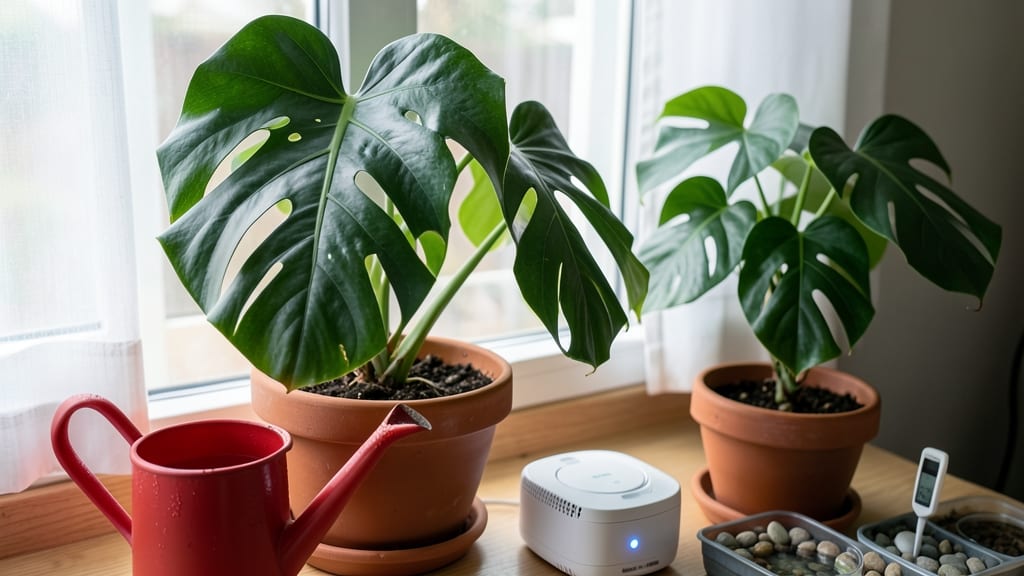
Your drooping indoor plants aren't a lost cause—they're just asking for help. 🌿 The moment I noticed my snake plant's leaves curling like a sad taco, I knew it was time to troubleshoot.
Most wilting comes from one of three things: too much water, not enough, or conditions that feel like a desert to the plant.
Start by sticking your finger an inch into the soil—if it's bone-dry, give it a thorough drink until water runs out the drainage hole. If it's soggy, let it dry out completely before watering again.
Light matters too: move plants away from drafts, cold windows, or harsh overhead lights that scorch leaves.
Within 30 minutes of adjusting care, you'll see a difference—leaves perking up, stems standing tall again. The key is consistency: check soil moisture weekly, mist leaves for humidity, and dust those broad leaves so they can breathe properly.
This works for everything from fiddle-leaf figs to your sad-looking pothos. Once you master the basics, your plants will thrive year-round without the guesswork. Let's bring them back to life!
Root Causes Of Wilting Leaves
When your indoor plant’s leaves start drooping like a tired ballerina after a long show, it’s usually a cry for help—often tied to its most basic needs. Understanding the science behind these signals helps you act fast.
Below, we break down the primary reasons why your plant’s foliage loses its perk, along with the exact mechanisms at play.
Waterlogged roots can’t breathe, and when soil stays soggy, oxygen gets locked out. This triggers anaerobic conditions, where roots suffocate and can’t absorb nutrients or water efficiently. Over time, cells in the leaves lose turgor pressure (the rigid structure that keeps them upright), causing droop.
- Science alert: Roots rely on aeration to release carbon dioxide and absorb oxygen. Too much water displaces air, forcing roots to switch to inefficient fermentation—producing toxic ethanol as a byproduct.
- Watch for: Yellowing leaves, mushy stems, or a foul odor from the soil. Plants like snake plants or pothos are especially vulnerable.
- Actionable fix: Let the top 1–2 inches of soil dry before watering. Use pots with drainage holes and a mix of perlite or orchid bark to improve airflow.
Plants are mostly water, and when soil dries out, the roots can’t pull moisture up through the xylem (the plant’s plumbing system). Without enough water, leaf cells plasmolyze—their membranes shrink away from the cell walls, leading to that classic wilt.
- Science alert: The root tips produce abscisic acid, a stress hormone that signals leaves to close stomata (pores) to conserve water. This slows photosynthesis, draining energy and causing droop.
- Watch for: Lightweight, crispy leaves or soil pulling away from the pot edges. Succulents and cacti are most prone, but even tropical plants like monstera can suffer.
- Actionable fix: Water deeply until it runs out the drainage hole, then wait until the top inch of soil feels dry. Group plants together to raise humidity naturally.
Plants are sensitive to temperature swings because their metabolic processes rely on enzymes that function best within a narrow range (usually 65–75°F). Sudden heat or cold disrupts these enzymes, slowing water uptake and causing leaves to wilt.
- Science alert: Cold stress triggers ice crystal formation in cells, damaging membranes and blocking water transport. Heat stress, meanwhile, increases transpiration (water loss) faster than roots can replace it.
- Watch for: Drooping that happens overnight (cold drafts) or after a sunny window (heat stress). Plants near AC vents or drafty windows are at risk.
- Actionable fix: Keep plants away from vents, radiators, or glass doors. Use a thermometer to monitor temps—ideal ranges vary by species (e.g., calatheas prefer 60–75°F).
When roots outgrow their container, they circle the pot like a traffic jam, strangling themselves and blocking water/nutrient flow. This creates a physical barrier that starves the plant, leading to wilting even if soil stays moist.
- Science alert: Roots need space to explore for water and nutrients. When constrained, they compete aggressively, exhausting local resources and triggering stress signals (like ethylene gas production).
- Watch for: Roots growing out of drainage holes or soil drying too fast after watering. Large plants like ficus or rubber plants often outgrow pots in 1–2 years.
- Actionable fix: Gently remove the plant and check roots. If they’re densely packed, repot into a container 2–3 inches wider with fresh, well-draining soil.
Sap-sucking pests (like spider mites or aphids) and fungal infections (e.g., root rot) create physical damage that disrupts water transport. Pests pierce cells, while diseases clog the xylem, both leading to hydraulic failure in leaves.
- Science alert: Pests inject toxins or trigger systemic acquired resistance, forcing the plant to divert energy away from leaf support. Fungal infections block xylem vessels with gelatinous plugs, cutting off water supply.
- Watch for: Sticky residue (honeydew), tiny webs, or black spots on leaves/stems. Drooping may worsen after you water the plant.
- Actionable fix: Isolate the plant and treat with neem oil (for pests) or hydrogen peroxide (for root rot). Prune severely affected leaves to reduce stress.
Most drooping is reversible—once you identify the root cause, you can often revive your plant in minutes with the right fix. The key? Act before the leaves turn crispy or black.
Quick fixes for floppy foliage
Reviving your drooping indoor plants starts with identifying the root cause—but once you’ve pinpointed the issue, these simple, actionable steps will get your greenery perky again in no time. Below, we’ve mapped out cause-specific solutions with easy-to-follow instructions, plus prevention tips to keep your plants thriving long-term.
Signs: Yellowing leaves, mushy stems, waterlogged soil, or a foul odor. Fix: 🔥 Step 1: Stop Watering Immediately
- Let the soil dry out completely before watering again. Stick your finger 1-2 inches deep—if it’s damp, wait.
🍳 Step 2: Check the Drainage
- If your pot lacks drainage holes, transfer the plant to a new container with holes or place it in a saucer with pebbles to lift it above standing water.
👨🍳 Step 3: Revive the Roots
- Gently remove the plant from its pot and trim any black, mushy roots with sterilized scissors. Repot in fresh, well-draining soil.
🥘 Step 4: Adjust Your Routine
- Most indoor plants prefer soil to dry out between waterings. Use your finger (not a schedule) to guide you.
💡 Prevention Tip: Water only when the top 1-2 inches of soil are dry, and use pots with drainage holes to avoid soggy roots.
Signs: Crispy leaf edges, dry soil pulling away from the pot, or leaves curling inward. Fix: 🔥 Step 1: Soak the Roots
- Place the pot in a sink or shallow tray of room-temperature water for 15-30 minutes until the soil is evenly moist. Empty excess water afterward.
🍳 Step 2: Mist the Leaves (For Humidity-Lovers)
- Plants like ferns, calatheas, or peace lilies thrive in humidity. Lightly mist leaves 2-3 times a week or use a pebble tray with water beneath the pot.
👨🍳 Step 3: Adjust Watering Frequency
- Group plants with similar needs together and water them at the same time. Morning watering reduces evaporation loss.
🥘 Step 4: Test Soil Moisture
- Use a moisture meter or the finger test to avoid over- or underwatering. Aim for consistently damp (not soggy) soil for thirsty plants.
💡 Prevention Tip: If your home is dry (common with heating/AC), group plants together or use a humidifier to create a microclimate.
Signs: Leaves drooping suddenly, especially near drafts, heaters, or cold windows. Fix: 🔥 Step 1: Move the Plant
- Relocate it to a spot with consistent temperatures (ideally 65–75°F). Avoid:
- Drafty windows or doors
- Direct heat sources (radiators, vents)
- Chilly floors or AC blasts
🍳 Step 2: Acclimate Gradually
- If moving outdoors, harden off the plant by placing it in a sheltered spot for a few hours daily before full exposure.
👨🍳 Step 3: Use Protective Barriers
- Place a clear plastic shield near heaters or drafts to diffuse the air. For cold stress, use a lightweight blanket at night if temps drop below 50°F.
🥘 Step 4: Monitor with a Thermometer
- Keep a small indoor thermometer near your plants to track fluctuations. Most tropical plants hate sudden changes.
💡 Prevention Tip: Rotate your plant quarter-turns weekly so all sides get even light and heat exposure.
Signs: Roots circling the pot, slow growth, or leaves wilting even when watered. Fix: 🔥 Step 1: Check the Roots
- Gently remove the plant and inspect the roots. If they’re dense, circling, or poking out of drainage holes, it’s time to upgrade.
🍳 Step 2: Repot with Fresh Soil
- Choose a pot 1-2 inches larger in diameter and fill the bottom with fresh potting mix. Loosen tangled roots before replanting.
👨🍳 Step 3: Prune Damaged Roots
- Trim any black, mushy, or excessively long roots with clean scissors. Dust cuts with cinnamon powder (natural antifungal).
🥘 Step 4: Water Lightly After Repotting
- Keep the soil moist but not soggy for the first week to reduce transplant shock.
💡 Prevention Tip: Repot every 12–18 months or when roots fill the pot. Use well-draining soil (add perlite or orchid bark for aeration).
Signs: Sticky residue, tiny webs, or leaves wilting despite proper care. Fix: 🔥 Step 1: Isolate the Plant
- Move it away from other plants to prevent spreading. Check the undersides of leaves for pests like spider mites, aphids, or mealybugs.
🍳 Step 2: Wipe Down Leaves
- Use a soapy water solution (1 tsp mild dish soap + 1 quart water) and a soft cloth to remove pests manually.
👨🍳 Step 3: Apply Natural Remedies
- Neem oil spray (1 tsp neem oil + 1 quart water + drop of dish soap) – Spray every 5–7 days until pests vanish.
- Insecticidal soap (follow label instructions) for severe infestations.
🥘 Step 4: Quarantine New Plants
- Always inspect new plants for pests before bringing them home. Keep them separate for 2 weeks to monitor.
💡 Prevention Tip: Dust leaves regularly with a damp cloth—pests love hidden debris!
If your plant is beyond saving, don’t toss it!
Many droopy leaves can regrow with a little snip: - Cut back leggy stems to encourage bushier growth. - Propagate healthy cuttings in water or soil to grow new plants. - Fertilize lightly (half-strength) after trimming to support recovery.
Pro Tip: 🌡️ Track your plant’s progress with a before-and-after photo—it’s amazing how quickly they bounce back with the right care! Most plants recover in 3–7 days if given the correct fix.
Frequently asked questions
Why do some leaves droop only in the morning?
Morning wilting often signals overnight water stress—especially in dry climates or near heaters. Plants lose moisture through transpiration while soil can't replenish water fast enough. Try placing a tray of water near the plant or misting leaves before bed to boost humidity. Most plants perk up within 2-3 hours after sunlight warms the soil.
Can I save a plant with completely black, crispy leaves?
Unfortunately, blackened leaves are usually beyond saving, but don't give up! Cut them off at the stem and check if new growth appears. The plant might still recover if the roots are healthy. For succulents or snake plants, remove only the damaged parts—the healthy base can regrow. Always trim with clean scissors to prevent infection.
How often should I rotate my indoor plants?
Rotate plants every 2-4 weeks to ensure even light exposure, especially near windows. Uneven growth (like lopsided leaves) often happens when one side gets too much direct sun. This also helps prevent leggy stems. Just turn the pot quarter-turns—no need for dramatic movements that could stress the plant.
What's the difference between wilting from thirst and overwatering?
Thirst causes crispy, dry edges while overwatering leads to yellowing, mushy stems and foul-smelling soil. Test with your finger: if the top 1 inch is bone-dry, it's thirsty. If it's soggy, let it dry completely before watering again. For tropical plants, check the bottom 2 inches—that's where roots actively absorb water.
Will my plant recover if I've been underwatering it for months?
Many plants can bounce back if you act quickly! Start by soaking the roots in room-temperature water for 30 minutes, then let excess drain. Reduce light temporarily to cut water loss. Most plants show improvement in 3-7 days, but severely damaged roots may take weeks. For succulents, gradual rehydration prevents shock—water lightly every 2-3 days until fully revived.