
Pruning
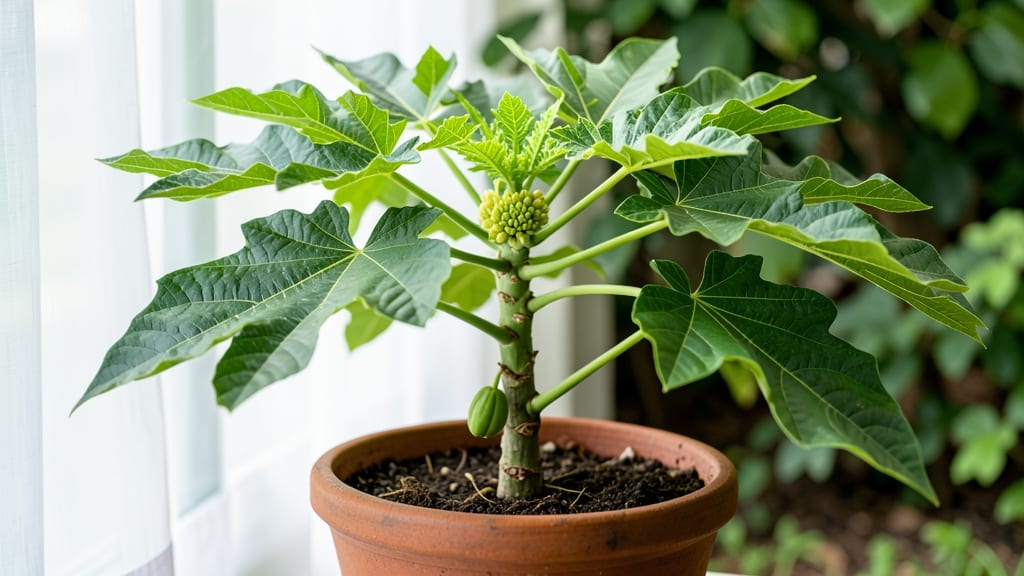
Growing a papaya tree indoors means tropical fruit on your kitchen counter—if you nail the light and heat. 🌿 I’ve watched mine go from a sad nursery seedling to a bushy plant with real potential for fruit, and the secret isn’t fancy equipment.
It’s about mimicking the sun, humidity, and warmth of its native rainforest in a way that works with your apartment’s limits.
The trick starts with bright, indirect light—think south-facing windows with sheer curtains or a strong grow light for 12+ hours daily. Your soil mix should drain fast but hold moisture, like a blend of potting mix and perlite, and you’ll water when the top inch feels dry.
Humidity is key: mist leaves daily or set the pot on a pebble tray with water to keep that tropical feel.
With patience, you’ll see glossy new leaves and maybe even small flowers—though fruiting indoors is rare, it’s not impossible. Prune leggy growth to keep it compact, and watch for pests like spider mites (they hate humidity).
My plant now stands 3 feet tall and looks like a mini jungle corner, proving it’s totally doable with the right setup.
This works for any sunny indoor space, from bright living rooms to sunrooms. The biggest challenge? Keeping conditions steady. But once you do, you’re growing something most people only see in grocery stores—and that’s a win in itself.
📚 In This Guide
- What you need
- Instructions
- Tips and common mistakes
- Wrapping up and next steps
What you need
- ● Papaya seeds – 3-5 fresh, viable seeds (harvested from a ripe papaya or purchased from a nursery).
- ● Seed-starting mix – 1 small pot (4-6 inches in diameter) filled with well-draining, sterile potting soil (avoid garden soil).
- ● Growing container – A 5-gallon pot or larger with drainage holes (papayas need room to grow!).
- ● Balanced fertilizer – A 10-10-10 or 20-20-20 NPK fertilizer (diluted to half-strength for seedlings).
- ● Watering can or spray bottle – For gentle hydration (avoid soggy soil!).
- ● Grow lights or sunny windowsill – 6+ hours of bright, indirect light daily (south-facing windows or LED grow lights work best).
- ● Humidity tray or humidifier – Papayas thrive in 60-80% humidity (especially in dry climates).
- ● Pruning shears – For shaping and maintaining the tree (sterilize with rubbing alcohol!).
- ● Support stake or trellis – Helps heavy branches stay upright as the tree matures.
- ● Soil moisture meter – Ensures you’re watering at the right top 1-2 inches dry consistency.
- ● Organic mulch (e.g., coconut coir) – Retains moisture and mimics tropical conditions.
- ● Pollination aid – A small soft paintbrush to manually pollinate flowers (if indoors).
- ● Pest control (neem oil, insecticidal soap) – Preemptive strike against spider mites or aphids.
Step-by-Step instructions for growing an indoor papaya tree
Here's how to nurture a tropical fruit tree indoors—no greenhouse needed.
🌱 Step 1: Choose and Prepare Your Seedling
Start with a healthy 4-6 inch tall papaya seedling from a reputable nursery. Look for a plant with bright green leaves and no yellowing—this signals good health. Papayas grow from seed, but nursery plants skip the slow germination phase and give you a head start.
Remove the seedling from its pot and gently loosen the root ball with your fingers. This helps the roots spread into fresh soil without shock. If the roots are circling tightly (a sign of pot-bound), make 2-3 small vertical cuts to encourage outward growth. This small step prevents future root stress as your tree grows.
🪴 Step 2: Select and Fill the Right Container
Papayas need room to grow, so choose a pot that's at least 12-15 inches in diameter with drainage holes. I recommend terracotta because it breathes and helps prevent root rot in tropical plants. Place a 2-inch layer of perlite or gravel at the bottom for drainage—this keeps water from pooling at the roots.
Fill the pot halfway with a well-draining potting mix formulated for citrus or tropical plants. Papayas hate soggy soil, so avoid garden soil or heavy mixes. Tap the pot gently to settle the soil, then create a small mound in the center. This creates a slight depression for the roots to settle into naturally.
☀️ Step 3: Plant and Provide Immediate Light
Place the seedling on top of the mound and spread the roots outward over the soil. Fill in around the roots with more potting mix, pressing lightly to remove air pockets. Leave about 1 inch of space between the soil surface and the pot rim—this prevents overflow when watering and gives you room to add mulch later.
Papayas crave bright, indirect light for at least 6-8 hours daily. A south- or west-facing window is ideal, but if natural light is limited, supplement with a grow light placed 12-18 inches away. You'll see leggy growth if the light isn't sufficient—this is the plant stretching toward any available light source.
💧 Step 4: Water and Maintain Humidity
Water thoroughly until water runs out the drainage holes, then let the top 1-2 inches of soil dry out before watering again. Papayas are drought-tolerant but need consistent moisture—overwatering is the fastest way to kill them. I use a moisture meter to check, but sticking your finger in the soil works too.
Mist the leaves 2-3 times weekly or place the pot on a tray filled with pebbles and water to increase humidity. Papayas thrive in tropical conditions, and dry air causes leaf edges to brown. Grouping your papaya with other houseplants creates a microclimate that helps maintain the humidity they love.
✂️ Step 5: Prune and Fertilize for Growth
When your papaya reaches 2-3 feet tall, pinch off the top set of leaves to encourage bushier growth. This might seem counterintuitive, but it redirects energy to the lower branches where fruit will develop. Remove any yellow or damaged leaves immediately—they sap energy and invite pests.
Feed your papaya every 4-6 weeks with a balanced 10-10-10 fertilizer diluted to half strength. Over-fertilizing burns roots, so always water the plant first. You'll notice new growth within 2-3 weeks of fertilizing—this is your signal that the plant is thriving and ready for more care.
Tips & tricks for indoor papaya tree success
Here's what nobody tells you about keeping your tropical tree thriving indoors.
Seedling Prep: When loosening the root ball in Step 1, be extra gentle with papaya roots—they're more delicate than you'd expect. If you notice any mushy or dark roots during this process, trim them immediately with clean scissors. Healthy roots should be white or light tan, not brown or slimy. This step prevents future transplant shock that can set your tree back for weeks.
Container Size Matters: In Step 2, don't be tempted to skimp on pot size. While the instructions call for 12-15 inches, I've seen papayas in 18-inch pots grow twice as fast because they have room to establish their root system properly. The extra space also gives you more flexibility for future pruning and growth. Remember, you can always upgrade pots later, but starting too small means struggling to catch up.
Lighting Secret: For the critical 6-8 hours of light in Step 3, position your grow light so it's just above the tallest leaves—not directly touching them. I've found that maintaining this 12-18 inch distance prevents leaf burn while still providing optimal growth. If you notice leaves turning yellow near the edges, you're either overwatering or getting too much direct light. The goal is bright but indirect light that mimics the papaya's tropical habitat.
Fertilizer Timing: When you're ready to fertilize every 4-6 weeks in Step 5, I recommend doing it right after your watering day. This ensures the fertilizer gets carried down to the roots rather than sitting on the surface. You'll know you're doing it right when you see new leaves emerging within those 2-3 weeks—they'll be a vibrant green and slightly larger than the existing leaves. This visual cue tells you your tree is actively growing and absorbing nutrients.
Pro Tips for Indoor Papaya Tree
- Here's what nobody tells you about keeping your tropical tree thriving indoors.
- Seedling Prep: When loosening the root ball in Step 1, be extra gentle with papaya roots—they're more delicate than you'd expect.
- Container Size Matters: In Step 2, don't be tempted to skimp on pot size.
Frequently asked questions
Got questions about growing an indoor papaya tree? You're not alone! Here are some of the most common concerns—and their solutions—to help you nurture your tropical treasure with confidence.
Can I grow a papaya tree indoors year-round?
Yes! With the right conditions—bright, indirect sunlight (6+ hours daily), warm temperatures (70–90°F), and high humidity—you can grow a papaya tree indoors. Use grow lights if natural light is limited. Just be patient: indoor trees may take 2–3 years to bear fruit compared to outdoor counterparts. Pro tip: Rotate your plant weekly for even growth!
How do I know when my indoor papaya tree is ready to fruit?
Look for these signs:
- Yellow or orange flowers (usually appear after 1–2 years).
- Male flowers (long stems, no ovary) will bloom first, followed by female flowers (small fruit bump at the base).
- Hand-pollinate by transferring pollen with a cotton swab if no bees are around.
Why are my papaya tree’s leaves turning yellow or dropping?
Yellow leaves usually signal overwatering or nutrient deficiency. Check these fixes:
- Let the top 1–2 inches of soil dry out between waterings.
- Fertilize monthly with a balanced citrus/palm fertilizer (high in potassium).
- Ensure drainage holes are present to prevent root rot.
What’s the best alternative if my papaya tree isn’t thriving indoors?
If conditions are challenging, try these low-maintenance tropical alternatives:
- Dwarf citrus trees (e.g., Meyer lemon): Hardy, fragrant, and fruit-bearing.
- Avocado trees (e.g., ‘Wurtz’): Slower-growing but rewarding with edible fruit.
- Citron or limequat: Cold-tolerant and great for small spaces.
How long does it take for an indoor papaya tree to bear fruit?
Indoor papaya trees typically take 1.5–3 years to fruit, depending on:
- Variety (dwarf types like ‘SunUp’ fruit faster).
- Light exposure (grow lights speed up maturity).
- Pollination success (hand-pollinate if needed).
Wrapping up and next steps
Growing an indoor papaya tree is a rewarding adventure that brings tropical vibes and fresh fruit to your home—no backyard required! 🌱 With the right care, patience, and a sunny spot, you’ll enjoy lush foliage and even sweet papayas in time.
Whether you’re a seasoned plant parent or a curious beginner, this guide gives you all the tools to succeed.
Ready to take the next step? Start with a healthy seedling or cutting, then watch your green thumb shine as your papaya thrives. Happy growing—and may your indoor jungle be ever bountiful! 🌟