
Pruning
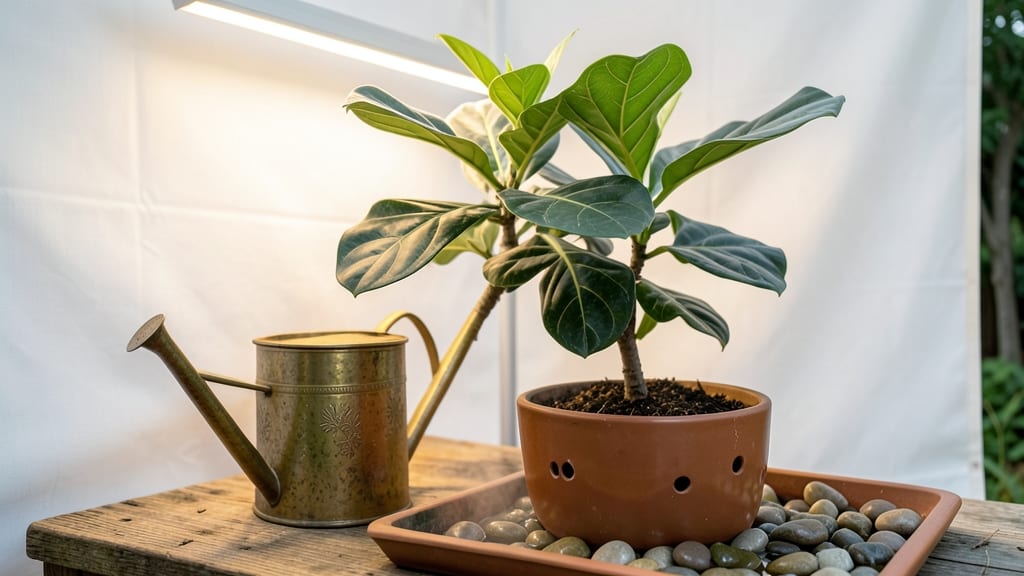
Your indoor ficus tree care could be effortless with just three strategic trims a year—no green thumb required. 🌿 I’ve kept mine lush for five winters by focusing on light, water, and pruning at the right times, and the difference between a struggling plant and a showstopper comes down to these simple habits.
The secret isn’t complicated equipment—it’s matching your ficus’s natural rhythms. Bright, indirect light keeps leaves glossy, watering only when the top inch of soil dries out prevents root rot, and pruning at the right nodes encourages bushier growth.
Most people overwater or prune too late, but these small tweaks make all the difference. By summer’s end, you’ll have a tree that stays vibrant green through winter, with new growth where you snipped. The pruned leaves make great cuttings for new plants, and the shape stays full and balanced.
Even my first ficus—now a 6-foot giant—started as a sad store-bought sapling. This method works for Ficus elastica (rubber plant), Ficus benjamina, and other common varieties. The key is consistency: trim in late winter, early summer, and fall to encourage fresh growth before each season.
Mistakes? Overwatering is the biggest, but even that’s fixable with the right pot and drainage.
📚 In This Guide
- What you need
- Instructions
- Tips and common mistakes
- Wrapping up and next steps
What you need
- ● Ficus tree (e.g., Ficus elastica, Ficus benjamina, or Ficus lyrata)
- ● Pruning shears – Sharp, sterilized (bypass pruners work best)
- ● Clean, sharp knife or scissors (for smaller trims)
- ● Rubbing alcohol (70% or higher) – For sterilizing tools (1 small bottle)
- ● Well-draining potting mix – Indoor plant blend or cactus/succulent mix (1 bag, 5–10 gallons)
- ● 6–8 inch pot – With drainage holes (1–2 pots, depending on size)
- ● Watering can – With a narrow spout (1)
- ○ Gloves (optional but recommended) – For sap protection (1 pair)
- ● Rooting hormone – For propagating cuttings (1 small tube)
- ● Moss or sphagnum – For humidity-loving varieties (small bag)
- ● Plant food – Balanced liquid fertilizer (10-10-10 or similar) (1 bottle)
- ● Spray bottle – For misting leaves (1)
- ● Pruning sealant – To prevent sap oozing (small tube)
- ● Grow lights – If natural light is limited (LED or fluorescent)
Step-by-step indoor ficus tree care for year-round growth
Here's how I keep my ficus thriving indoors—just three strategic trims and consistent care make all the difference.
🪴 Step 1: Choose the Right Spot for Light and Airflow
Ficus trees need bright, indirect light—think 6-8 hours daily near a north or east-facing window. I avoid south-facing spots because direct afternoon sun scorches leaves. If your home lacks natural light, a grow light on a timer works, but keep it 12 inches away to prevent leaf burn.
Check for airflow by placing your hand near the leaves—if it feels stuffy, move the tree to a breezier area. Poor circulation leads to spider mites, which love dry, stagnant air. I rotate my ficus quarter-turn weekly so all sides get even light, and you'll notice new growth evenly distributed.
💧 Step 2: Water When Soil Feels Dry to the Touch
Water your ficus when the top 2 inches of soil are dry—stick your finger in to check. Overwatering is the #1 killer of indoor ficus trees. I use room-temperature water and pour until it drains from the bottom, then dump excess from the saucer after 10 minutes to prevent root rot.
Ficus trees store water in their trunks, so they can handle light drought better than soggy soil. Yellow leaves usually mean overwatering, while crispy brown edges signal underwatering. I water every 7-10 days in winter (when growth slows) and every 5-7 days in summer (when it drinks more).
✂️ Step 3: Trim for Shape and Health—3 Times a Year
First, prune leggy growth in early spring to encourage bushier shape. Cut just above a leaf node (where leaves grow) with sterilized scissors, and you'll see new branches form within 4-6 weeks. I never cut more than 1/3 of the plant at once—ficus trees handle stress poorly.
Next, remove yellow or brown leaves throughout the year to redirect energy. Pinch off spent blooms (if your ficus flowers) and any stems growing toward the light source—this keeps the tree balanced. In late fall, give it a light haircut to tidy up before dormancy.
☀️ Step 4: Dust Leaves and Monitor for Pests
Wipe leaves monthly with a damp microfiber cloth—dust blocks light absorption. I do this while watering so the tree gets a full checkup. Look for white webbing (spider mites) or sticky residue (aphids). If you spot pests, spray with neem oil solution (1 tsp per quart of water) and repeat every 3 days for 2 weeks.
Ficus trees also drop leaves when they're stressed—sudden temperature drops or drafts from AC vents trigger this. Keep your tree 5-10 feet from heaters/AC and avoid moving it frequently. A happy ficus grows 6-12 inches per year and rarely drops leaves unless something's wrong.
Tips & tricks for perfect indoor ficus tree care
Let me share the secrets I've learned after years of keeping my ficus thriving—these little details make all the difference between a struggling plant and a lush, happy tree.
Light Source Strategy: If your north or east-facing window doesn't get enough light, supplement with a grow light for those critical 6-8 hours daily. I place mine on a timer so it automatically turns on in the mornings when natural light is weakest. For maximum benefit, position the light so it covers the entire canopy—ficus trees grow toward the strongest light source, so you'll notice new growth leaning toward the light if it's uneven.
Watering Wisdom: The top 2 inches dry rule works, but here's what I do differently: I always water in the morning so excess can drain completely before nightfall. This prevents root rot from sitting water. In winter, I reduce to every 10-14 days because cooler air means slower evaporation—just check that top 2 inches first!
Trimming Timing: That 4-6 week window for new growth after spring pruning is your cue to watch closely. If you see buds forming at the cut nodes, you're on track! For the fall trim, I wait until after the first cold snap—usually late October in my climate—when growth naturally slows. This helps the tree recover before dormancy.
Pest Prevention: The monthly leaf wipe isn't just about dust—it's your early warning system. I look for tiny white specks (spider mite eggs) or sticky spots on the undersides of leaves. Catching pests early means you might only need one treatment instead of the full 2-week neem oil schedule. I also keep a small bottle of diluted neem oil in my plant care kit for quick response.
Pro Tips for Indoor Ficus Tree Care
- Let me share the secrets I've learned after years of keeping my ficus thriving—these little details make all the diff...
- Light Source Strategy: If your north or east-facing window doesn't get enough light, supplement with a grow light for...
- Watering Wisdom: The top 2 inches dry rule works, but here's what I do differently: I always water in the morning so ...
Frequently asked questions
Got questions about keeping your indoor ficus thriving?
Here are answers to the most common concerns—from pruning to pests and beyond!
How often should I trim my indoor ficus tree?
Trim your ficus once or twice a year—ideally in spring or early summer—to encourage bushier growth. Light pruning (removing yellow leaves or leggy stems) can happen year-round. Avoid heavy cuts in winter, as the tree’s growth slows. Pro tip: Use clean, sharp pruners to prevent damage!
Why are the leaves on my ficus turning yellow or dropping?
Yellowing or dropping leaves usually signal overwatering, underwatering, or stress. Check the soil—if it’s soggy, cut back on water; if dry, water deeply. Also, ficus trees hate drafts or sudden temperature changes. Move it to a stable spot with bright, indirect light for a happier plant!
How do I get rid of pests like spider mites or mealybugs?
Isolate the plant first! Wipe leaves with a mild soap solution (1 tsp dish soap + 1 quart water) or use neem oil spray. For severe infestations, repeat every 5–7 days. Prevent pests by misting leaves occasionally (ficus love humidity!) and keeping the area clean.
Can I prune a ficus tree in winter?
Winter is not ideal for heavy pruning, but you can trim dead or diseased branches anytime. Avoid major cuts—wait until spring when the tree’s energy revs up. If you must prune in winter, keep the plant in a warm, humid spot to help it recover faster.
What’s the best way to propagate a trimmed ficus?
Use healthy 4–6 inch cuttings with at least 2–3 nodes. Dip the end in rooting hormone (optional), then place in moist perlite or water. Keep in bright, indirect light and mist daily. Roots should form in 4–8 weeks! Bonus: Ficus propagate easily—great for expanding your green thumb!
Wrapping up and next steps
Caring for your indoor ficus tree is all about patience, consistency, and a little green thumb love! 🌿 With the right trims—structural, maintenance, and rejuvenation—you’ll keep your tree thriving year-round. Remember, pruning isn’t just about aesthetics; it’s about health, growth, and happiness for your leafy friend.
Ready to take the next step? Grab those shears and schedule your first trim—your ficus will thank you with lush, vibrant foliage! For extra confidence, check out our FAQs or explore more ficus care tips.