Container Gardens
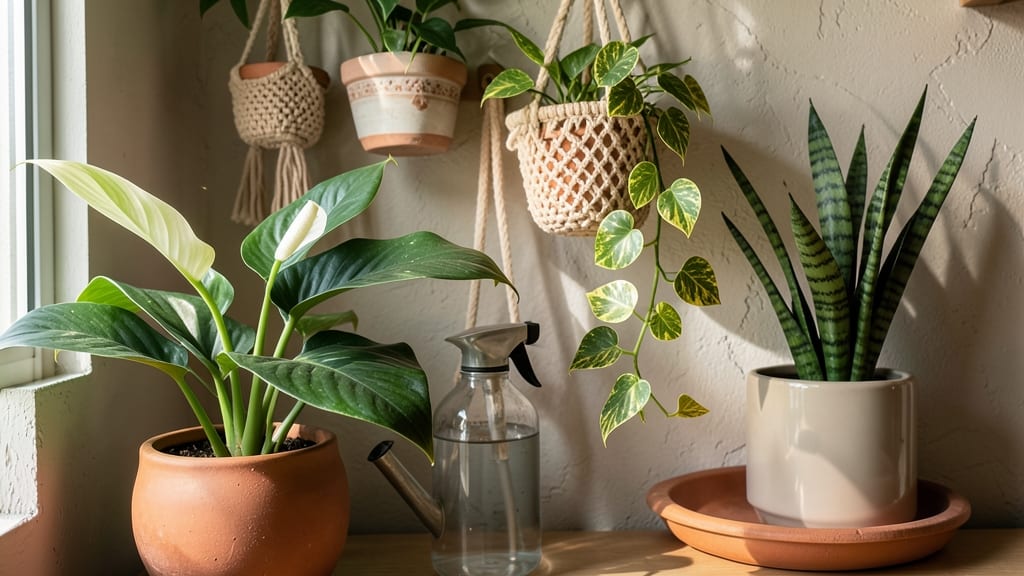
Indoor apartment gardens bring life to concrete jungles without needing a yard. 🌿 I transformed my 400-square-foot apartment into a thriving green space by focusing on sunlight, plant selection, and clever containers that fit my space—no balcony required.
The key is matching plants to your light conditions: leafy greens like pothos thrive in low light, while herbs and succulents need bright spots. Use vertical space with wall planters or hanging pots to maximize square footage, and rotate plants every few weeks for even growth.
You’ll end up with a lush, functional garden that purifies air, boosts mood, and looks stunning. My kitchen windowsill now hosts a mini herb garden that supplies fresh basil, mint, and parsley year-round—no grocery store needed.
Whether you’re working with a single sunny window or a dark corner, these techniques adapt to any apartment layout. Let’s make your space bloom!
📚 In This Guide
- What you need
- Instructions
- Tips and common mistakes
- Wrapping up and next steps
What you need
- ● Containers: 3–5 medium-sized pots (6–12 inches in diameter) with drainage holes. Choose from ceramic, terracotta, or fabric grow bags.
- ● Potting Mix: 1–2 bags of high-quality, well-draining indoor potting soil (avoid garden soil—it compacts and retains too much moisture!).
- ● Drainage Tray: 1–2 shallow trays (to catch excess water and protect surfaces).
- ● Seeds or Seedlings: 3–6 low-light-tolerant plants like snake plants, pothos, spider plants, or herbs (basil, mint, or parsley).
- ● Watering Can or Spray Bottle: A small can with a gentle spray nozzle for precise hydration.
- ○ Grow Lights (Optional): 1–2 LED grow lights (for plants needing extra brightness, like herbs or leafy greens).
- ● Fertilizer: A balanced liquid fertilizer (5-5-5 or 10-10-10) or slow-release granules.
- ● Self-Watering System: A wick or reservoir-based system to keep soil evenly moist.
- ● Humidity Tray: A pebble-filled tray with water to boost humidity for tropical plants.
- ● Decorative Accents: Moss, pebbles, or decorative stones for a polished look.
- ● Plant Labels: Small tags or a label maker to track plant care needs.
- ● Pruning Shears: For trimming overgrowth and encouraging bushier growth.
How to create an indoor apartment garden that grows year-round
Here’s how to turn any small space into a thriving green oasis—no balcony or yard required.
🪴 Step 1: Choose the Right Containers and Light Setup
Start with containers that match your space and plants. For leafy greens like parsley or basil, shallow 6-inch pots with drainage holes work perfectly. Larger plants like pothos or snake plants need 8-10 inch pots to establish strong roots. I always pair containers with matching saucers to catch excess water and keep surfaces tidy.
Light is your biggest challenge in apartments, so prioritize it. Place plants within 3-6 inches of a south-facing window for the brightest light. If your space is north-facing, supplement with a LED grow light for 12-14 hours daily. You’ll notice leaves stretching toward the light? That’s a sign they’re reaching for more—time to adjust their position or add artificial light.
🌱 Step 2: Select Low-Maintenance, Compact Plants
Skip the finicky plants and opt for hardy varieties that thrive in tight spaces. Herbs like basil, mint, and thyme grow well in 4-inch pots, while trailing plants like pothos or string of pearls cascade beautifully from shelves or hanging planters. I always start with 3-4 plants per space to keep maintenance manageable.
Check plant tags for light needs—some, like snake plants or ZZ plants, tolerate low light, while others, like basil or chives, demand bright conditions. Mixing textures and heights adds visual interest without taking up extra floor space. For example, pair a tall dracaena with a trailing pothos and a bushy peperomia for a layered look.
💧 Step 3: Master the Watering Schedule for Small Spaces
Overwatering is the #1 killer of apartment gardens, so check soil moisture before watering. Stick your finger 1 inch into the soil—if it feels dry, water until it drains from the bottom. Most potted plants need water every 5-7 days, but this varies by plant and season. A moisture meter helps avoid guesswork, especially in winter when heating dries out air faster.
Group plants with similar water needs together to simplify care. For example, herbs like rosemary and thyme prefer drier soil, while basil and parsley like consistent moisture. Use self-watering pots if you travel often, but avoid letting plants sit in standing water—root rot spreads quickly in small containers.
☀️ Step 4: Rotate and Prune for Healthy Growth
Rotate your plants quarter-turn weekly so they grow evenly toward the light, not lopsided. You’ll see leaves leaning toward the window? That’s your cue to adjust their position. Prune leggy stems by pinching back the tips to encourage bushier growth. For trailing plants, trim them back by one-third every few months to keep them full and vibrant.
Remove yellow or brown leaves immediately—they drain energy from the plant. Use clean, sharp scissors to avoid crushing stems. I also wipe leaves with a damp cloth every few weeks to remove dust, which helps them absorb more light. This small habit keeps plants looking fresh and thriving, even in low-light corners.
⏰ Step 5: Fertilize Lightly and Monitor for Pests
Feed your plants every 4-6 weeks with a balanced, water-soluble fertilizer diluted to half-strength. Over-fertilizing burns roots in small pots, so less is always better. I mix fertilizer into water and apply it during regular watering to avoid salt buildup. Organic options like fish emulsion or compost tea work well for herbs and edibles.
Check the undersides of leaves weekly for pests like spider mites or aphids. Isolate affected plants immediately to prevent spread. A strong spray of water often dislodges pests, but for stubborn infestations, use neem oil (follow label instructions). Healthy plants in small spaces are less prone to pests, so consistent care pays off.
Tips & tricks for perfect indoor apartment gardens
Small spaces don't mean small dreams—here's how to maximize every inch of your garden's potential.
Container Size Matters: When selecting pots, remember that larger containers (8-10 inches) aren't just for bigger plants—they also help stabilize moisture levels in your small space. For herbs like basil and parsley, those 6-inch pots are perfect, but add a layer of pebbles at the bottom to improve drainage and prevent root rot. This simple trick gives your plants room to breathe while keeping your surfaces clean and dry.
Light Optimization: That 12-14 hour daily grow light requirement isn't arbitrary—it mimics natural daylight cycles that plants crave. For north-facing windows, position your grow light just 6 inches above the plants and adjust the height as they grow. I've found that using a timer for your grow light eliminates guesswork and ensures consistent light exposure, which is especially important when you're working with limited natural light in apartments.
Watering Wisdom: The 1-inch soil check isn't just about moisture—it's about understanding your plants' specific needs. For example, stick your finger in the soil of your basil and rosemary at the same time. You'll notice the basil soil stays moist longer while rosemary dries out faster. This simple observation helps you create micro-zones in your small space where plants with similar water needs can live together happily.
Pruning Pro Tip: When you're trimming those leggy stems by one-third, don't toss the cuttings! Place them in a glass of water on a sunny windowsill—you'll have new plants in just a few weeks. This zero-waste technique not only encourages bushier growth but also gives you free propagation material for expanding your apartment garden without spending a dime.
Pro Tips for Indoor Apartment Gardens
- Small spaces don't mean small dreams—here's how to maximize every inch of your garden's potential.
- Container Size Matters: When selecting pots, remember that larger containers (8-10 inches) aren't just for bigger pla...
- Light Optimization: That 12-14 hour daily grow light requirement isn't arbitrary—it mimics natural daylight cycles th...
Frequently asked questions
Got questions about bringing greenery indoors? Here are some of the most common concerns—and solutions—to help you grow an indoor apartment garden with confidence!
What are the easiest plants for beginners in an indoor apartment garden?
Start with low-maintenance plants like snake plants, pothos, or ZZ plants. These thrive in low light, need minimal water, and forgive occasional neglect. Herbs like basil and mint are also great for small spaces—just ensure they get a few hours of sunlight daily.
How often should I water my indoor plants?
Watering depends on the plant and environment, but a general rule is to check soil moisture with your finger—water when the top inch feels dry. Overwatering is a common mistake! Most indoor plants prefer slightly dry soil over soggy roots. Use pots with drainage holes to prevent root rot.
Can I grow an indoor garden without natural sunlight?
Use grow lights (LED or fluorescent) for 12–16 hours daily to mimic sunlight. Leafy greens like lettuce and herbs like parsley grow well under artificial light. Just position lights 6–12 inches above plants and adjust as they grow.
What’s the best way to maximize space in a small apartment?
Think vertically! Use wall-mounted shelves, hanging planters, or tiered stands to stack plants. Opt for compact varieties like dwarf citrus trees or cherry tomatoes in small pots. Rotate plants occasionally to ensure even light exposure.
How do I deal with pests like spider mites or fungus gnats?
Prevent pests with good airflow and avoid overwatering. For spider mites, wipe leaves with soapy water or use neem oil. Fungus gnats? Let the soil dry between waterings and add a thin layer of sand to the top. Quarantine new plants to catch issues early!
Wrapping up and next steps
Transforming your apartment into a vibrant indoor garden is easier—and more rewarding—than you think! 🌱 With the right plants, containers, and a little creativity, you can bring nature’s beauty into even the smallest spaces.
Whether you’re a seasoned green thumb or a beginner, every leafy addition brightens your home and boosts your mood.
Ready to dive in? Start small—pick one low-maintenance plant (like a snake plant or pothos) and experiment with placement. Before you know it, your apartment will be a lush, thriving oasis! 🌿