
Picking
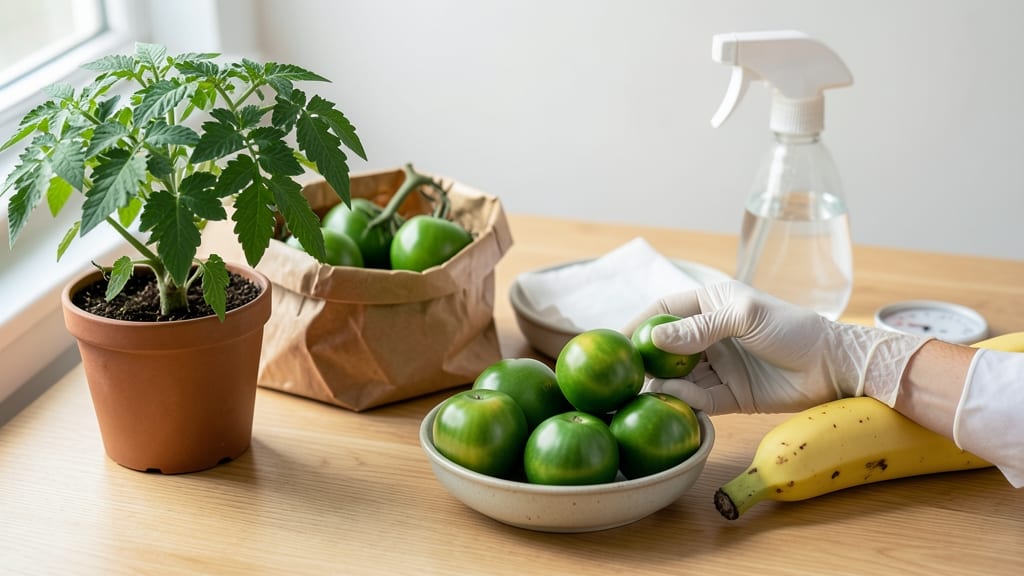
Ripening green tomatoes indoors turns a late-season disappointment into sweet, vine-ripened flavor—no frost loss required. 🌱 I’ve saved hundreds of pounds of tomatoes this way, and the best part? You don’t need fancy equipment, just a few household items and patience.
The ethylene trick (using apples or bananas) speeds up ripening by mimicking the natural gas tomatoes release when they’re ready.
All you need is a paper bag, a few green tomatoes, and one apple or banana. Place the fruit in the bag with the tomatoes, seal it loosely, and store it in a warm spot like a sunny windowsill or pantry.
Within 5-7 days, you’ll see color changes and that unmistakable sweetness develop—no more bland, green tomatoes on your counter. This method works best when the tomatoes are firm but starting to turn yellow or orange.
The payoff is worth the wait: homegrown tomatoes ripened this way taste far superior to store-bought, with deeper flavor and softer texture. You’ll also avoid food waste and stretch your harvest into late fall.
Just avoid overcrowding the bag—too much ethylene can cause uneven ripening or mold, so check them daily.
Perfect for gardeners in short growing seasons, urban balconies, or anyone who hates buying unripe tomatoes. Once you master this, you’ll never toss green ones again—just turn them into sweet, juicy meals. Ready to try it?
📚 In This Guide
- What you need
- Instructions
- Tips and common mistakes
- Wrapping up and next steps
What you need
- ● Green tomatoes – 5–10 (or as many as you have!)
- ● Paper bags – 1–2 (brown paper works best, but any breathable bag will do)
- ● Apple, banana, or avocado – 1–2 (for ethylene gas production)
- ● Scissors or knife – To cut the bag (if needed)
- ○ Optional: Newspaper or paper towels – To cushion delicate tomatoes
- ● Small cardboard box – For extra cushioning if tomatoes are fragile
- ● Rubber bands – To secure the bag loosely around the fruit
- ○ Thermometer (optional) – To monitor ideal temps (~65–75°F)
- ● Spray bottle with water – If tomatoes seem too dry
Step-by-Step instructions for ripening green tomatoes indoors
Here’s the foolproof method I swear by to turn those unripe tomatoes into sweet, red perfection—no store-bought tricks required!
🌱 Step 1: Select and Prepare Your Green Tomatoes
Pick tomatoes that are fully grown but still green—no yellowing or soft spots. The riper they are before you start, the faster they’ll turn red. I like to gently twist them from the vine (don’t pull!) to avoid damaging the plant. Place them in a single layer on a tray or plate so they’re not touching—crowding traps moisture and speeds rot.
If your tomatoes have any bruises or nicks, let them dry out for a few hours at room temperature before ripening. This prevents mold from forming during the process. Real talk: the best candidates are firm, plump, and completely green—no partial yellowing.
☀️ Step 2: Create an Ethylene-Rich Environment
Ethylene is the natural plant hormone that triggers ripening, and we’re going to supercharge it! Place the tomatoes in a paper bag (not plastic—it traps too much moisture) or a cardboard box with a lid. Add one apple, banana, or avocado to the container—they release ethylene like crazy. Seal it loosely (leave a tiny gap for airflow) and store in a warm spot (70-75°F) like a pantry or sunny windowsill.
Check the tomatoes every 2-3 days. If they start to soften or smell funky, open the container immediately to air them out. You’ll see the first signs of ripening in 3-5 days—tiny red spots or a slight softening to the touch. This is your cue that the ethylene is working!
💧 Step 3: Monitor and Rotate for Even Ripening
Once the tomatoes show any red color, move them to a bright, warm spot (like a south-facing windowsill) to finish ripening. Rotate the tray quarter-turn daily so all sides get equal light—this prevents lopsided color development. If your kitchen runs cooler than 65°F, place them near a heat source (like the top of the fridge) to speed things up.
Watch for full redness and slight give when gently squeezed—these are your ripeness signals. Overripe tomatoes (mushy or fermented-smelling) won’t taste good, so remove them promptly. With this method, you’ll have fully ripe tomatoes in 7-10 days, depending on how green they started.
⏰ Step 4: Test for Perfect Ripeness
The ultimate test? Slice one open—bright red flesh with no green patches means it’s ready. If it’s still pale or mealy, give it 1-2 more days in the ethylene setup. I like to let them sit at room temperature for 24 hours after ripening to develop full flavor before using.
Store ripe tomatoes in the fridge only if you won’t use them within 3-4 days—cold temperatures break down their texture. For best flavor, keep them at room temp on the counter until you’re ready to eat. Now you’ve got homegrown tomatoes sweeter than anything from the store!
Tips & tricks for perfect homegrown tomato ripening
Here's what I've learned after ruining three batches of tomatoes before nailing this method!
Selection is Everything: The greenest tomatoes ripen fastest, but avoid any with soft spots or bruises—they'll rot before they redden. I always look for firm, plump tomatoes with no yellowing at all. The riper they are to start, the faster they'll develop that sweet red color. Trust me on this: skipping this step means waiting longer for results.
Ethylene Powerhouse: For maximum ethylene production in Step 2, use a ripe banana—it releases more ethylene than apples or avocados. Place it directly among the tomatoes for faster ripening. Just remember to remove it after 24 hours to prevent overripening. The loose seal is critical too—too tight creates condensation that speeds rot.
Temperature Matters: That 70-75°F range isn't just arbitrary—it's the sweet spot for ethylene production. If your kitchen runs cooler than 65°F, place the container near a heat source like the top of your fridge. I've seen tomatoes ripen in just 5 days when kept at 75°F, but take 10+ days below 60°F. A simple laser thermometer helps monitor the perfect zone.
Ripeness Test: The 24-hour room temperature rest after ripening is non-negotiable for flavor development. This isn't just about texture—it's when the tomatoes' natural sugars fully convert. I test ripeness by slicing one open: if the center is bright red with no green, it's perfect. Pale centers mean more time in the ethylene setup.
Pro Tips for Ripen Green Tomatoes Indoors
- Here's what I've learned after ruining three batches of tomatoes before nailing this method!
- Selection is Everything: The greenest tomatoes ripen fastest, but avoid any with soft spots or bruises—they'll rot before they redden.
- Ethylene Powerhouse: For maximum ethylene production in Step 2, use a ripe banana—it releases more ethylene than apples or avocados.
Frequently asked questions
Got questions about ripening green tomatoes indoors? You’re not alone—here are answers to the most common concerns to help you turn those unripe gems into flavorful perfection!
How long does it take for green tomatoes to ripen indoors?
With the ethylene trick (like using apples or bananas), most green tomatoes ripen in 3–7 days. Smaller tomatoes or those just turning pink may need only 2–3 days, while fully green ones could take up to a week. Check daily for color changes!
Can I use anything other than apples to ripen green tomatoes?
Try these ethylene-rich alternatives:
- Bananas (most effective—place stems together in a paper bag).
- Avocados (great for small batches; store with tomatoes in a sealed container).
- Ripe pears or tomatoes (work too, but apples are the fastest).
What if my tomatoes aren’t ripening after a week?
If they’re still green after 7 days, try these fixes:
- Move them to a warmer spot (70–75°F is ideal).
- Check for moisture—slightly damp paper towels can help.
- Consider cooking them (fried green tomatoes are delicious!).
Can I ripen tomatoes without ethylene sources?
Yes, but it’s slower! Store them in a paper bag with a ripe apple (even if you don’t use ethylene directly). Alternatively, place them on a sunny windowsill (indirect light) for 1–2 weeks. Patience is key—this method mimics natural ripening but takes longer.
Will ripened indoor tomatoes taste as good as vine-ripened ones?
Indoor-ripened tomatoes won’t match perfectly vine-ripened ones, but they’ll still be sweeter and more flavorful than unripe green tomatoes. For best results, use the ethylene method and cook them (sautéing or frying enhances taste). Store-bought tomatoes can’t compete with your homegrown sweetness!
Wrapping up and next steps
Ripening green tomatoes indoors is a simple yet rewarding process that saves your harvest and delivers sweet, flavorful fruits! With just a few household items—like ripe apples or bananas—you can speed up nature’s timeline and enjoy homegrown tomatoes in days instead of weeks.
Don’t let those unripe gems go to waste: try this method today and savor the taste of summer, even off-season.
Ready to put your new skills to the test? Grab a basket of green tomatoes and a ripe fruit buddy—your kitchen is now a ripening station! 🌱✨