
Container Gardens
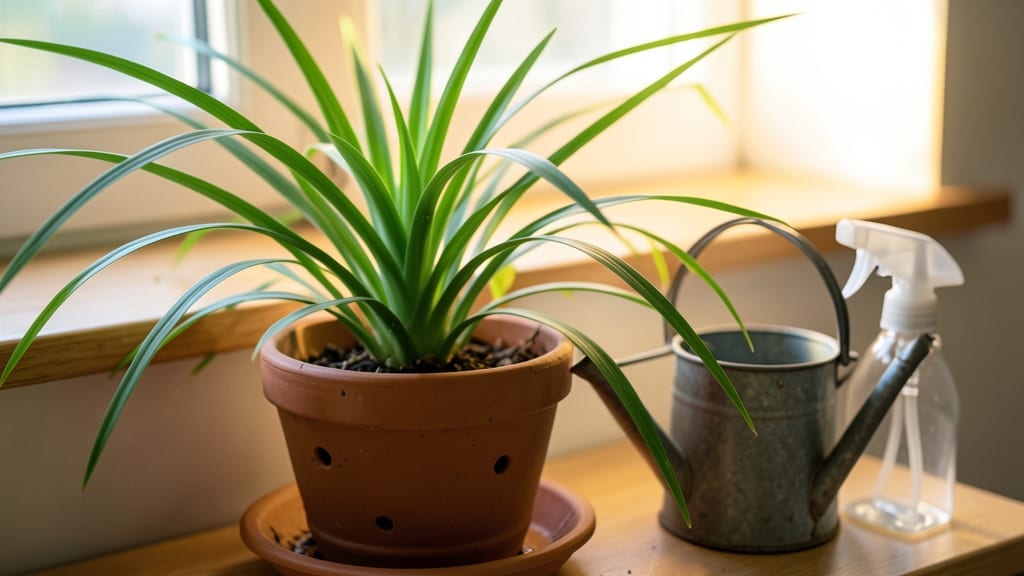
The benefits of growing lemongrass indoors include fresh culinary herbs year-round, air-purifying qualities, and a soothing citrus aroma that repels pests naturally while requiring minimal space and sunlight compared to outdoor cultivation.
Indoor lemongrass thrives in small spaces like windowsills or countertops, making it perfect for urban gardeners or those with limited outdoor areas. 🌱 The plant's ability to filter airborne toxins like formaldehyde and benzene adds a health boost to your home environment, while its vibrant scent creates a spa-like atmosphere.
Plus, harvesting fresh stems for cooking eliminates the need for store-bought bundles, saving money and ensuring peak flavor. I've noticed my indoor plants grow more vigorously near lemongrass too—its natural pest-repelling properties create a protective zone for other greens.
For best results, use well-draining pots and keep soil consistently moist (but not soggy) to mimic tropical conditions. A south-facing window provides enough light, though grow lights work well for deeper indoor spaces.
Pruning regularly encourages bushier growth, and the more you harvest, the more your plant will produce—creating a self-sustaining cycle of fresh herbs and air purification.
💡 In This Article
- How Indoor Lemongrass Purifies Air and Enhances Wellness
- Step-by-Step Guide to Maximizing Indoor Lemongrass Yield
How indoor lemongrass purifies air and enhances wellness
Lemongrass acts as a natural air purifier through its ability to absorb volatile organic compounds (VOCs) like formaldehyde and benzene, which are common in household products such as paints, cleaning agents, and synthetic fabrics.
Studies show that plants like lemongrass can reduce airborne toxins by up to 30% in enclosed spaces, thanks to their porous leaves that trap particles while releasing oxygen through photosynthesis. The plant's antimicrobial properties also help combat mold and bacteria, creating a cleaner indoor environment. 🌿
The soothing citrus aroma comes from citral and geraniol compounds, which have been scientifically proven to reduce stress and improve mood. When inhaled, these aromatic oils stimulate the limbic system—the brain's emotional center—triggering relaxation responses similar to aromatherapy.
Unlike synthetic air fresheners, lemongrass emits a fresh, uplifting scent without harsh chemicals, making it ideal for bedrooms or workspaces where air quality matters most. The fragrance also contains natural insect-repelling qualities, deterring mosquitoes and flies without pesticides.
For maximum air-purifying benefits, place your lemongrass in high-traffic areas like living rooms or kitchens where VOCs accumulate. A single mature plant can effectively cleanse air in a 10x10-foot space, though multiple plants create a stronger purification effect.
The plant's rapid growth rate—adding 6-12 inches per month—means you'll enjoy these benefits year-round without seasonal gaps. 💛
What makes lemongrass particularly effective is its dual-action system: the roots absorb water while filtering toxins, and the leaves release oxygen during photosynthesis. Unlike some houseplants that require special conditions, lemongrass thrives in typical indoor environments with moderate humidity and indirect light, making it a low-maintenance yet high-impact air purifier.
The plant's ability to regenerate quickly after harvesting also ensures continuous purification without sacrificing its decorative value.
Beyond air quality, lemongrass contributes to wellness through its culinary and medicinal uses. Fresh stems contain 4-5% essential oils, rich in antioxidants that combat free radicals. Brewing lemongrass tea has been shown to lower blood pressure and reduce inflammation, while its digestive enzymes aid in nutrient absorption.
The plant's versatility makes it a true wellness powerhouse—whether purifying your air, enhancing your meals, or promoting relaxation through its aroma.
For those with allergies, lemongrass is a safe choice as it doesn't produce pollen or irritants. Its fine, grass-like leaves also trap dust particles, adding another layer of air purification.
The plant's compact size (typically 3-4 feet tall) makes it perfect for small spaces, yet it delivers professional-grade air quality benefits without the bulk of larger houseplants. 🌟