
Pests
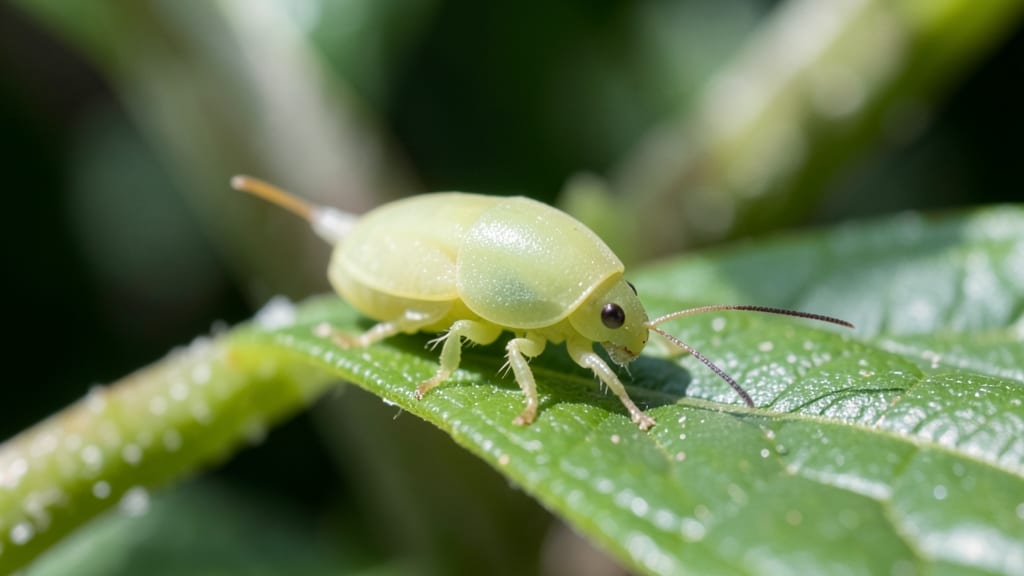
How to remove aphids from indoor plants with a sticky, wilted mess in days? 🌱 I’ve battled aphids on ferns, philodendrons, and even my prized snake plants—and the key to saving your plants isn’t harsh chemicals, but a foolproof natural spray that works in hours. The secret? A mix of ingredients you likely already have at home.
Start by isolating the infested plant to stop the spread, then grab a spray bottle, a drop of dish soap, and a teaspoon of neem oil (or even a little rubbing alcohol in a pinch). This blend disrupts aphids’ protective coating while being completely safe for your plants.
A quick wipe-down with a damp cloth removes the worst of them, and within 24 hours, you’ll see them shrinking back—no more sticky leaves or wilting foliage.
What you’ll end up with is a plant that looks fresh and vibrant again, free from those pesky clusters. The best part? This spray won’t harm your plants or your family, and it’s strong enough to deter future aphid parties.
Plus, it’s a great way to break the cycle before they take over your entire collection.
Works for every indoor plant—from delicate ferns to tough succulents—and keeps your green space thriving without toxic residues. Here’s exactly how to mix it and apply it for the fastest results.
Root Causes Of Indoor Aphid Infestations
Aphids don’t just randomly appear on your houseplants—they’re drawn by specific conditions that make your indoor garden a perfect buffet. Understanding these triggers is the first step to stopping them before they spread. Let’s break down the key reasons your plants might be attracting these tiny pests.
Aphids are opportunistic pests—they target plants that are already struggling. When your indoor plants are stressed, their natural defenses weaken, making them an easy meal.
- Overwatering or Underwatering 💧 Aphids thrive when plants are either drowning in moisture (leading to soft, vulnerable new growth) or dehydrated (stressing the plant and attracting predators like ants that also farm aphids for honeydew).
- Overwatering creates a humid microclimate that aphids love, while underwatering weakens the plant’s ability to repel pests.
- Nutrient Deficiencies 🌱 Plants low in nitrogen or phosphorus produce tender, sugary new leaves—aphid candy. Yellowing leaves or stunted growth are red flags that your plant is malnourished and more susceptible.
- Root Bound or Crowded Roots 🌿 When roots are cramped (common in small pots), the plant diverts energy to survival instead of pest resistance. Aphids detect this stress and move in.
Pro Tip: 💡 Rotate your plants every few months to ensure even light exposure and reduce stress. A balanced fertilizer (like a 10-10-10 mix) can also boost resilience.
Aphids don’t work alone—they often team up with ants, which farm them like cattle. Here’s how this dangerous duo forms:
- Honeydew Attraction 🍯 Aphids excrete a sticky, sugary substance called honeydew as they feed. This attracts ants, which protect the aphids in exchange for a food source. Once ants move in, your aphid problem becomes an infestation.
- Ant Scouting Behavior 🚶♂️ Ants are always searching for food. If they find honeydew on your plant, they’ll recruit more ants to "milk" the aphids, leading to rapid population growth.
Warning Sign: ✨ If you see ants crawling on your plant’s stems or leaves, aphids are likely already present—and the infestation will worsen unless you break the ant-aphid cycle.
Aphids love warmth and humidity—conditions that are often perfect in indoor settings.
- Central Heating or Poor Ventilation 🔥 Dry heat can stress plants, but high humidity (especially in bathrooms or kitchens) creates ideal breeding grounds for aphids. They prefer temperatures between 60–80°F (15–27°C)—right in the range of most homes.
- Grouped Plants Without Airflow 🌿🌿 When plants are clustered together with little circulation, moisture and pests spread easily. Aphids can hop from plant to plant via wind currents or your hands.
Fix It: 🌡️ Use a small fan on low setting near your plants to improve airflow, or place them in a well-ventilated room like a sunroom.
Aphids can hitch a ride on new additions to your plant collection—or even your gardening tools.
- Infested New Plants 🌱🚨 Many nursery-bought plants come with hidden aphid eggs or nymphs. Even if you don’t see them immediately, they can hatch within days.
- Shared Gardening Tools 🔪 Pruners, pots, or even your fingers can transfer aphids from one plant to another. If you’ve worked with outdoor plants recently, contamination is likely.
Prevention Checklist: ✅ Inspect new plants under leaves and stems before bringing them inside. ✅ Quarantine new plants for 1–2 weeks away from your existing collection. ✅ Clean tools with rubbing alcohol (70% or higher) between uses.
Even indoor plants can be affected by outdoor conditions if you bring them in from patios or balconies.
- Bringing Plants Inside After Summer 🏡 If your plants spent time outside during warm months, they may have picked up aphids. These pests can survive on plant debris or eggs for months, waiting to re-infest when conditions are right.
- Window Sills As Aphid Highways 🪟 Open windows allow aphids to drift in on breezes, especially if you have outdoor plants nearby. They’re lightweight and can travel surprisingly far.
Solution: 🛡️ Keep windows screened and avoid placing indoor plants near open windows during aphid season (spring and summer).
Quick Fixes for Tiny Plant Invaders
Aphids may be small, but their damage adds up fast—sticky residue, weakened leaves, and even fungal infections if left unchecked. The good news? You don’t need harsh chemicals to kick them off your indoor plants.
Below are targeted solutions mapped to common causes, plus prevention tips to keep your greenery aphid-free long-term.
Aphids thrive where plants are weak or packed too closely together. Stress signals (like thirst or poor airflow) attract them like a buffet.
How to Fix It:
- 🔥 Prune & Space Out Plants Trim yellowing or crowded leaves to improve airflow. Move plants at least 6 inches apart so pests can’t hop from one to another. Pro tip: 💡 Use a damp cloth to wipe down stems—aphids hide in crevices!
- 🍳 Hydrate & Fertilize Right Underwatered plants = aphid magnets. Water deeply when the top inch of soil is dry, and avoid over-fertilizing (too much nitrogen = soft, aphid-loved leaves). A balanced 10-10-10 fertilizer once a month keeps plants strong.
- 🌡️ Boost Humidity (But Not Too Much) Aphids love dry conditions. Place a pebble tray under pots or use a humidifier near plants (aim for 40–60% humidity). Avoid soggy soil—root rot weakens defenses.
Bringing home a new fern or letting your snake plant sunbathe outside? Aphids might hitch a ride.
How to Fix It:
- 👨🍳 Quarantine New Additions Isolate new plants for 2–3 weeks before introducing them to your collection. Inspect leaves (especially undersides) and stems with a magnifying glass. Pro tip: ✨ Shower new plants with water to rinse off hidden pests before potting.
- 🔪 Soap & Water Blast (Gentle but Effective) Mix 1 tbsp mild dish soap (like Dawn) + 1 quart water in a spray bottle. Test on a small leaf first, then spray aphids until leaves glisten.
Let sit for 10 minutes, then rinse with water. Repeat every 3–4 days until gone.
- 🥘 Neem Oil Spray (Natural Pest Repellent) Combine 1 tsp neem oil + 1 tsp mild soap + 1 quart water. Shake well and spray undersides of leaves (where aphids cluster). Neem disrupts their life cycle and deters future infestations. Reapply weekly for 2 weeks.
Some plants (like roses, fuchsias, or basil) are aphid favorites because they’re soft and sweet.
How to Fix It:
- 🎯 Introduce Beneficial Insects Ladybugs, lacewings, and parasitic wasps eat aphids for breakfast. Buy them online or attract them by planting dill, marigolds, or yarrow nearby. Release them at dusk when they’re most active.
- 🌿 Companion Planting Place garlic, chives, or mint near aphid-prone plants. Their strong scent repels pests naturally. Bonus: These herbs are useful in the kitchen too!
- 📊 DIY Aphid Trap with Yellow Sticky Cards Aphids are drawn to yellow. Hang yellow sticky traps near infested plants to monitor and reduce populations. Replace traps weekly.
If aphids have taken over, act fast—but don’t panic. These methods work even for severe cases.
How to Fix It:
- 🔪 Manual Removal (For Small Clusters) Fill a bowl with soapy water and use a soft brush or cotton swab to gently scrub off aphids. Dispose of the water (don’t reuse—eggs may hatch later). Do this daily until no more are visible.
- 🥘 Alcohol Spray (Fast-Kill Method) Mix 1 part rubbing alcohol + 3 parts water in a spray bottle. Lightly mist aphids (avoid oversaturating leaves). Alcohol kills them on contact. Use at night to avoid sunburning plants.
- 🌱 Systemic Treatment (Last Resort) For stubborn cases, use a systemic insecticide like neem oil granules or imaridazoles (follow label instructions). These move through the plant’s system, but use sparingly—reserve for severe outbreaks.
Once you’ve evicted them, stop them from returning with these habits:
- 💡 Weekly Inspections: Check leaves (top and bottom) and stems every 7 days.
- 🌡️ Avoid Overwatering: Keep soil moist but not soggy.
- 🍳 Clean Up Debris: Remove fallen leaves or dead plants—aphids hide there.
- 🌿 Rotate Plants: Change their location monthly to disrupt pest cycles.
- 🎯 Use Reflective Mulch: Aluminum foil or reflective mulch around pots confuses aphids (they dislike shiny surfaces).
Remember: Consistency is key. Aphids multiply fast, so treat for 2–3 weeks even after they’re gone—this kills lingering eggs. With these methods, your indoor plants will stay lush, pest-free, and thriving!
Frequently asked questions
Can I use vinegar to remove aphids from my indoor plants?
Vinegar can help as a natural aphid repellent, but it’s not the most effective treatment. Mix 1 part white vinegar + 3 parts water and spray directly on aphids—it disrupts their protective coating. However, vinegar can harm plant leaves if used too frequently. For best results, combine it with a neem oil spray and apply at night to avoid leaf burn.
How often should I check my plants for aphids?
Inspect your plants every 5–7 days, especially the undersides of leaves and new growth where aphids hide. Early detection is key—catching them before they spread prevents a full-blown infestation. Keep a small magnifying glass handy for closer inspection.
Will aphids die if I just move my plant outside?
Not necessarily! Aphids can survive outdoors, especially if temperatures stay mild (60–80°F). However, strong sunlight, wind, or natural predators (like ladybugs) may reduce their numbers. For best results, combine outdoor exposure with a soapy water spray to kill existing aphids. Monitor closely for 2–3 weeks to ensure they don’t return.
Can I reuse water after washing off aphids?
No—always dispose of soapy water used to remove aphids. Aphid eggs may still be alive in the water, and reusing it could reinfest your plants. Rinse your tools and containers with clean water afterward. For a deeper clean, add a drop of rubbing alcohol to the rinse water to kill any lingering eggs.
Why do my plants keep getting aphids even after treatment?
Persistent aphids usually mean lingering eggs or new infestations from nearby plants. Treat for 3–4 weeks to break their life cycle, and check for hidden eggs on stems and leaf undersides. Also, isolate treated plants and inspect new additions for 2 weeks before introducing them to your collection. Ants often protect aphids—treat for them too if present!