
How To
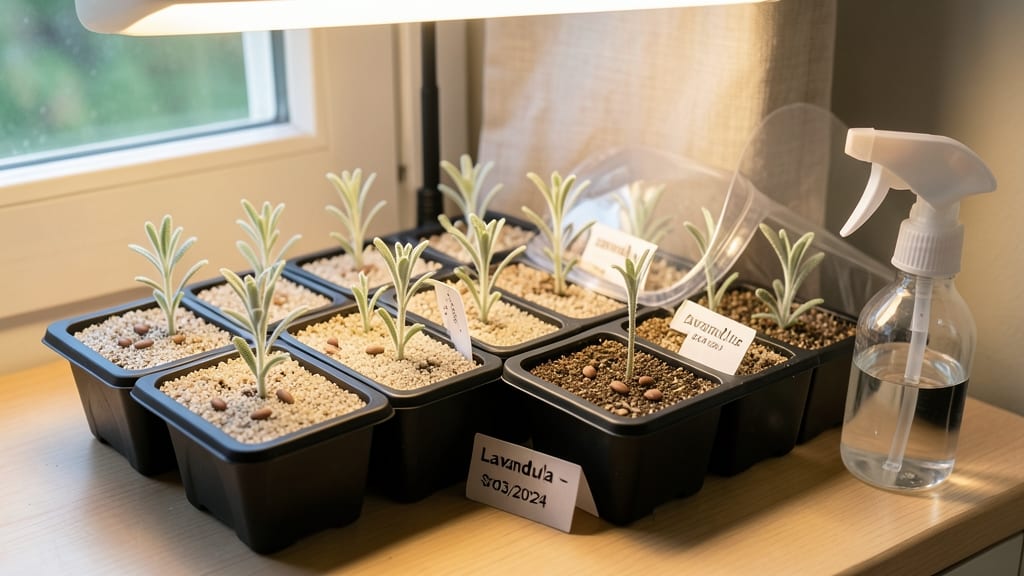
Planting lavender seeds indoors requires patience and the right conditions to coax those tiny seeds into life 🌿 — and yes, it’s absolutely possible with the right approach.
Struggling to grow lavender from seeds indoors? Many gardeners give up at the germination stage—but with the right tricks, you can turn tiny seeds into fragrant, thriving plants year-round.
Lavender thrives in bright, dry conditions, but indoors, you’ll need to mimic its natural habitat. The key lies in soil, light, and temperature control, all of which I’ll break down step by step.
By the end, you’ll know exactly how to prepare your seeds, choose the right containers, and avoid the 5 critical mistakes that kill germination before it even starts.
Step-by-step guide to planting lavender seeds indoors for maximum germination
Growing lavender from seeds indoors is a rewarding challenge, but success starts with the right preparation. Unlike mature lavender plants, seeds need precise conditions to break dormancy and sprout consistently.
With the proper soil mix, container setup, and temperature control, you can achieve 90% germination rates within 21-30 days. The key is mimicking lavender’s natural Mediterranean environment—dry, well-draining soil and warmth without humidity—right from the start.
Before you begin, gather your supplies: lavender seeds (preferably from a reputable seed company), a sterilized seed tray or small pots, a well-draining potting mix, and a heat mat or warm spot. Avoid using garden soil—it retains too much moisture and can cause rot before germination.
Instead, opt for a blend of cactus/succulent mix and perlite (50/50 ratio) to replicate lavender’s natural habitat. This mix ensures oxygen flow to roots and prevents the fungal issues that sink many indoor seedling projects.
How to Plant Lavender Seeds Indoors: Step-by-Step
-
Step 1: Prep Your Seeds
Soak lavender seeds in lukewarm water for 12-24 hours to soften the hard outer shell. This mimics natural rainfall and speeds up germination. Use a fine mesh strainer to drain excess water—never let seeds sit in water, or they’ll suffocate. -
Step 2: Sterilize Containers
Wash seed trays or pots with 10% bleach solution (1 part bleach to 9 parts water) to kill pathogens. Rinse thoroughly and dry under bright light for 24 hours. Sterilization prevents damping-off disease, a silent killer of young seedlings. -
Step 3: Mix Soil Components
Combine 50% cactus/succulent mix with 50% perlite in a clean bowl. Add a slow-release fertilizer (5-10-10 NPK) at a rate of 1 tsp per quart of mix. This provides minimal nutrients without overwhelming tiny seeds. -
Step 4: Fill and Level Containers
Fill trays or pots with the soil mix, leaving ½ inch of space at the top. Press gently to settle, then use a leveling tool (or ruler) to create an even surface. Uneven soil leads to poor water distribution and uneven germination. -
Step 5: Plant Seeds Properly
Scatter seeds sparingly—lavender seeds are tiny, so aim for 3-5 seeds per square inch. Press them 1/8 inch deep into the soil using a pencil or seed presser. Avoid burying deeper; lavender seeds need light to trigger germination. -
Step 6: Mist and Cover
Lightly mist the soil with room-temperature water until moist (not soggy). Cover the tray with a clear plastic dome or plastic wrap to retain humidity without trapping heat. Poke a few holes in the cover to allow air circulation—stagnant air causes mold. -
Step 7: Control Temperature
Place the tray on a heat mat set to 70-75°F (21-24°C). Lavender seeds won’t germinate below 60°F (15°C). Use a digital thermometer to monitor—fluctuations stress seeds. Keep the area away from drafts, like AC vents or open windows. -
Step 8: Provide Indirect Light
Position the tray 2-3 feet from a south-facing window or under grow lights on a 12-hour cycle. Avoid direct sunlight—it overheats the soil and dries out seeds. If using lights, keep them 6 inches above the tray to prevent leggy seedlings. -
Step 9: Monitor Moisture
Check soil moisture daily by inserting a wooden toothpick into the soil. If it comes out dry, mist lightly. If it’s damp, wait 24 hours. Overwatering is the #1 cause of seed rot—lavender seeds prefer consistent dryness over soggy conditions. -
Step 10: Thin Seedlings
Once seedlings reach 1 inch tall (after 3-4 weeks), use tweezers to remove weaker plants, leaving the strongest 2-3 seedlings per square inch. This reduces competition for nutrients and light, ensuring robust growth.
After germination (typically 21-30 days), remove the plastic cover to harden off seedlings. Gradually increase airflow by propping the cover open for 30 minutes daily, then fully remove it after 7 days.
This prepares seedlings for transplanting outdoors later in the season. Remember, lavender is slow-growing—don’t rush the process. Patience pays off with fragrant, drought-resistant plants that thrive for years.
One common mistake is assuming lavender seeds will germinate like annuals. Unlike marigolds or basil, lavender seeds have a hard seed coat that requires scarification (soaking) or stratification (cold treatment) for best results. If you skip this step, germination rates drop to 30-50%.
For even better results, try nicking the seed coat with a sharp knife before soaking—this mimics natural wear and tear from wind and rain.
Once your seedlings reach 3-4 inches tall, they’ll need more space and stronger light. Transition them to a 4-inch pot with the same soil mix, and increase light to 8-10 hours daily.
At this stage, lavender seedlings develop their signature silvery-green foliage and woody stems. This is your cue to start pruning lightly to encourage bushiness—pinch back the tips of the <
5 Critical mistakes that kill lavender seed germination (and how to avoid them)
Growing lavender from seed indoors can be incredibly rewarding, but many gardeners hit a snag at the germination stage. The problem? Common mistakes that seem small can actually kill your seeds before they ever sprout.
I've seen lavender seeds fail due to overwatering, poor drainage, or even wrong planting depth. The good news? These issues are preventable with the right knowledge.
Lavender seeds are notoriously delicate, requiring precise conditions to break dormancy. Unlike mature plants that thrive on neglect, seeds need consistent moisture, proper warmth, and excellent airflow. One wrong move, and your seeds may rot in the soil or simply refuse to sprout.
Let's tackle the top 5 mistakes that sabotage germination and how to fix them before they happen.
⚠️ Mistake #1: Overwatering Your Seeds
Lavender seeds drown if kept too wet. Unlike mature plants, they can't handle soggy soil. Solution: Use a spray bottle for light misting and only water when the top 1/4 inch of soil feels dry. A humidity dome helps maintain moisture without saturation.
Seeds planted too deep will struggle to reach the surface. Lavender seeds need light to germinate, so planting them 1/8 inch deep is crucial. Any deeper, and they may never break through.
I've seen gardeners bury seeds 1/2 inch deep thinking they need protection, only to watch them fail to sprout.
Another silent killer is incorrect temperature. Lavender seeds germinate best between 70-75°F. Too cold, and they won't sprout; too hot, and they'll dry out.
Use a seedling heat mat if your home runs cooler. I keep mine on a south-facing windowsill with a small space heater nearby during winter months.
Poor soil mix is another hidden problem. Lavender seeds need well-draining soil with perlite or sand mixed in. Regular potting soil holds too much moisture. My go-to mix is 50% cactus soil, 30% perlite, and 20% sand. This prevents root rot while keeping seeds aerated.
Finally, lack of airflow creates the perfect environment for mold. While humidity helps germination, stagnant air leads to fungal growth. Place a small fan nearby on low setting to create gentle airflow. I use a desktop fan on its lowest speed just a few inches from my seed trays.
By avoiding these common mistakes, you'll give your lavender seeds the best chance to sprout strong and healthy. Remember, patience is key—lavender seeds can take 21-30 days to germinate, so don't give up too soon! 🌱