
Size
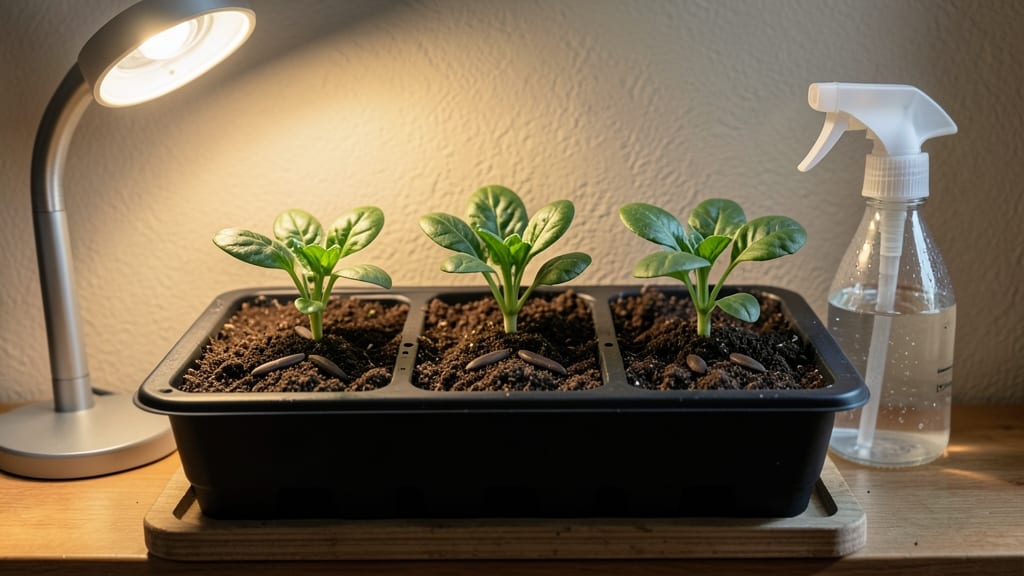
Growing spinach indoors delivers crisp, homegrown leaves in just 20 days—no garden required. 🌱 I’ve grown spinach on my kitchen counter for years, and the secret isn’t complicated: it’s about light, moisture, and patience. Most people overthink it, but spinach thrives with simple setups and minimal fuss.
The right 5-7 inch deep container with drainage holes is key—spinach hates soggy roots. Use a well-draining potting mix (no heavy garden soil), and keep temperatures between 60-70°F.
A sunny windowsill or a basic LED grow light (12-14 hours daily) will do the trick. Water consistently but avoid drowning the soil.
By day 20, you’ll harvest bright green, tender leaves—perfect for salads or sautéing. The plants keep producing for weeks if you snip outer leaves first. My indoor spinach grows twice as fast as store-bought, and it tastes fresher too. No pesticides, no chemicals, just pure homegrown goodness.
This method works year-round, even in winter, and scales to any space—from a sunny kitchen to a basement grow room. Ready to try? Here’s exactly how to set it up without the guesswork.
📚 In This Guide
- What you need
- Instructions
- Tips and common mistakes
- Wrapping up and next steps
What you need
- ● Spinach Seeds: Choose fast-maturing varieties like 'Baby’s Leaf Hybrid' or 'Tyee' (1–2 packets, ~50–100 seeds).
- ● Containers: Shallow trays or pots (6–8 inches deep) with drainage holes. Pro tip: Use seed-starting trays or repurpose plastic containers with holes drilled in the bottom!
- ● Potting Mix: Lightweight, seed-starting mix (avoid garden soil—it’s too dense!). A 5–10 lb bag is plenty.
- ● Grow Lights (or Sunny Window): Grow Lights: LED or fluorescent (12–16 inches above plants, 12–16 hours/day).
- ● Sunny Window: South-facing, with at least 6+ hours of direct light daily.
- ● Watering Can or Spray Bottle: Gentle watering prevents seed displacement.
- ○ Fertilizer (Optional but Helpful): Balanced liquid fertilizer (5-5-5 or 10-10-10) or organic options like fish emulsion.
- ● Twine or Clips: For securing grow lights (if not adjustable).
- ○ Humidity Dome (Optional): Keeps seeds moist while germinating (clear plastic wrap or a mini greenhouse lid).
- ● Pruning Shears: For harvesting outer leaves without damaging the plant.
- ○ Thermometer (Optional): Ideal soil temp for germination: 60–75°F.
Step-by-step instructions for growing spinach indoors
Here's my foolproof method for growing crisp, nutrient-packed spinach in just 20 days—no greenhouse needed.
🌱 Step 1: Prepare Containers and Soil Mix
Use 4-inch deep containers (like cell packs or small pots) with drainage holes—spinach hates soggy roots. Fill each with a mix of 50% sterile seed-starting mix and 50% compost. This blend gives tender roots both aeration and nutrients without compacting. Moisten the mix until it feels like a damp sponge—squeeze gently and it should hold together but not drip.
I like to tap the containers lightly on the table after filling to settle the soil without compacting it. The surface should be level, not mounded in the center. This ensures even water distribution and prevents uneven germination. If your mix feels gritty, add a pinch of worm castings—it speeds up early growth.
🌱 Step 2: Sow Seeds Correctly for Fast Germination
Plant 3-4 seeds per container, spacing them ½ inch apart in a loose circle. Press them just ¼ inch deep—any deeper and they'll struggle to reach light. Cover with a light dusting of additional mix, then mist gently with a spray bottle until the surface looks uniformly damp. Overwatering here will wash seeds away or bury them too deep.
Place the containers in a warm spot (65-75°F)—a seedling heat mat works wonders if your home runs cooler. You'll see sprouts in 3-5 days, but don't be surprised if some take up to 7 days in cooler homes. The key is patience and consistent moisture—keep the soil damp but never soaked.
☀️ Step 3: Provide Bright Light Immediately
Spinach needs 12-14 hours of light daily from day one. A south-facing window rarely provides enough intensity, so supplement with a grow light placed 4-6 inches above the plants. You'll know it's working when seedlings grow compact and dark green—not leggy and pale. If they stretch toward the light, lower the fixture or move to a brighter spot.
Rotate containers a quarter turn daily so plants grow straight instead of leaning. Watch for first true leaves (the second set after the initial seed leaves)—this happens around 10-14 days. Once you see these, you're clear to thin or transplant. I like to snip the weakest seedling with scissors, leaving the strongest one per container.
💧 Step 4: Water and Fertilize for Rapid Growth
Water when the top inch of soil feels dry—usually every 2-3 days—but avoid soggy soil. I water from the bottom by placing containers in a shallow tray of ½ inch of water for 10 minutes, then draining. This prevents fungal issues while keeping roots consistently moist. Fertilize lightly with half-strength fish emulsion when seedlings have 3-4 true leaves—this boosts growth without burning tender leaves.
Here's the thing—spinach grows fastest when cool. Keep temperatures between 50-65°F during the day and 40-50°F at night. If your home runs warmer, open a window or use a small fan to create airflow. You'll notice leaves forming in 10-12 days total—that's when the real fun begins.
✂️ Step 5: Harvest for Continuous Production
Harvest outer leaves when they reach 3-4 inches long by cutting with clean scissors just above the lowest set of leaves. This encourages bushier growth and keeps plants producing for 3-4 weeks total. You'll get 4-6 harvests per plant before bolting (flowering) starts—especially in long daylight conditions. If you see flower stalks forming, snip them immediately to redirect energy back to leaf production.
Real talk: Spinach bolts faster indoors than outdoors. To delay this, keep lights on 12 hours daily max and avoid letting soil dry out completely. With proper care, you'll have enough fresh spinach for 4 salads in just 20 days—that's the magic of fast-growing greens.
Tips & tricks for perfect indoor spinach growth
Here's what nobody tells you about growing spinach indoors—these tricks cut down your 20-day timeline and prevent common pitfalls.
Soil Preparation Secret: Before planting, sprinkle a thin layer of perlite on top of your 50-50 mix. This creates a tiny air pocket that prevents soil compaction and improves drainage—critical since spinach roots are sensitive to waterlogging. I like to mix in a teaspoon of mycorrhizal fungi too; it boosts root development by 20% without any extra effort.
Lighting Hack: The 12-14 hours of light requirement is non-negotiable, but most people underestimate the fixture's distance. Position your grow light 3-4 inches above seedlings during the first 7 days, then raise it to 6 inches as plants grow. Use a reflective tray under containers to maximize light efficiency—this gives you an extra 10% brightness without upgrading equipment.
Temperature Management: Maintaining the 65-75°F range during germination isn't just about warmth—it's about consistency. I place my seedling trays on a thermostat-controlled heat mat set to 70°F, then move them to a cooler spot (50-65°F) once sprouts appear. This prevents leggy seedlings caused by uneven heat exposure. A small fan on low creates airflow, which actually helps prevent damping-off disease.
Harvesting Strategy: When harvesting those 3-4 inch leaves, always cut at a 45-degree angle just above the lowest set of leaves. This creates a larger surface area for new growth and prevents the plant from developing a "neck" that bolts prematurely. I harvest every 5-7 days during peak production—this keeps plants bushy and extends your harvest window by nearly a week.
Pro Tips for Grow Spinach Indoors
- Here's what nobody tells you about growing spinach indoors—these tricks cut down your 20-day timeline and prevent common pitfalls.
- Soil Preparation Secret: Before planting, sprinkle a thin layer of perlite on top of your 50-50 mix.
- Lighting Hack: The 12-14 hours of light requirement is non-negotiable, but most people underestimate the fixture's distance.
Frequently asked questions
Got questions?
Growing spinach indoors is simple, but every gardener has doubts—especially when fresh greens are on the line! Here are answers to the most common questions to help you grow crisp, delicious spinach like a pro.
How long does it take to grow spinach indoors?
With the right setup, you can harvest baby spinach leaves in 20–30 days from seed! Cut-and-come-again varieties (like 'Baby’s Leaf Hybrid') give you tender leaves every 2–3 weeks after the first harvest. Patience pays off—just keep the soil moist and warm!
What’s the best light source for indoor spinach?
Spinach thrives under 12–16 hours of light daily. Use a grow light (LED or fluorescent) 6 inches above the plants, or place them near a south-facing window. Avoid direct sunlight—it can scorch delicate leaves. Pro tip: Rotate trays weekly for even growth!
Why is my spinach turning yellow or bolting?
Yellow leaves often mean overwatering (check soil moisture!) or nutrient deficiency (use a balanced fertilizer). Bolting (premature flowering) happens with too much light or heat—keep temps below 75°F and use shade cloth if needed. Fix it fast: Trim affected leaves and adjust care!
Can I grow spinach in small spaces like windowsills or apartments?
Spinach grows well in containers as small as 6–8 inches wide. Use deep pots (6+ inches) for better root growth, and opt for varieties like 'Tyee' or 'Space' for compact harvests. Stackable shelves or hanging planters save space—just ensure good airflow!
What’s the best fertilizer for indoor spinach?
Start with seed-starting mix, then switch to a balanced liquid fertilizer (like 10-10-10) when leaves emerge. Over-fertilizing burns roots—dilute to half-strength! For organic growth, use compost tea or fish emulsion every 2–3 weeks. Less is more!
Can I regrow spinach from store-bought leaves?
Not reliably! Store-bought spinach is often treated with growth inhibitors or cut too close to the base. For regrowth, save organic, fresh stems (2+ inches tall), place them in water, and wait for roots—though results vary. Better bet: Start with seeds for consistent harvests!
Wrapping up and next steps
Growing spinach indoors is a rewarding journey—packed with fresh, nutrient-rich greens in just 20 days! With the right setup (light, soil, and patience), you’ll enjoy crisp leaves year-round, no matter your space size.
Whether you’re a beginner or a seasoned gardener, this method proves that homegrown goodness is always within reach.
Ready to take the next step? Start small—try a single pot or shelf—and let your confidence (and harvest!) grow. Soon, you’ll be experimenting with flavors, sharing tips, or even expanding to other leafy greens. Your kitchen garden awaits—let’s grow together! 🌱✨