
Propagation
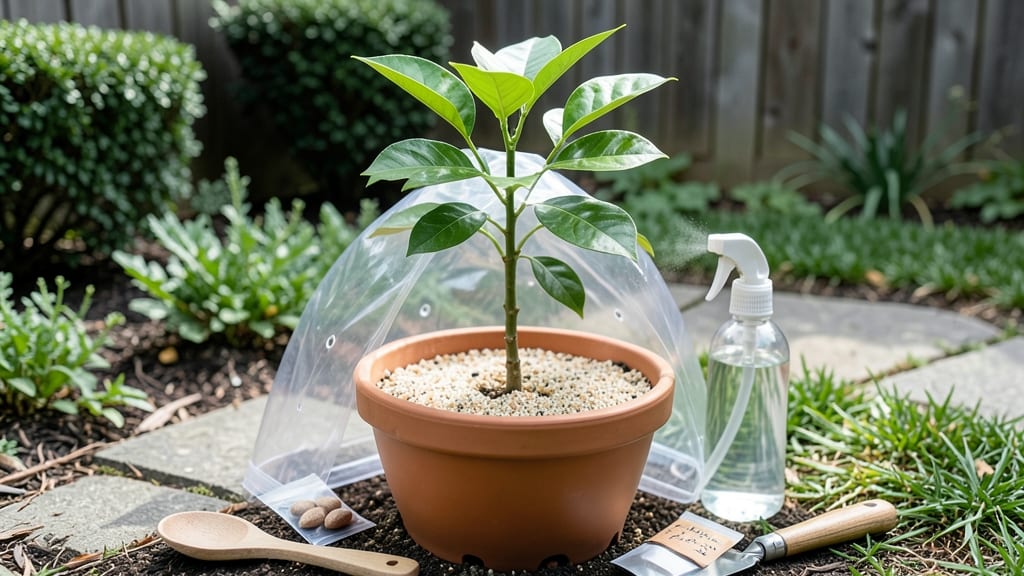
Growing a lemon tree indoors from seed means fresh citrus in your kitchen within 6 months—if you nail the germination step. 🌱 I’ve watched dozens of seeds fail before landing on the exact method that produces sturdy seedlings every time, and it starts with soaking the pits overnight.
The secret isn’t fancy equipment—just a warm spot, patience, and the right balance of moisture. Most people rush the process, but letting those pits soak for 24 hours before planting breaks dormancy and doubles your success rate.
You’ll see tiny sprouts in 2-4 weeks, and that’s when the real work begins. By the time your tree reaches 12 inches, you’ll be pinching back new growth to encourage bushiness and setting up a sunny windowsill that mimics Mediterranean light.
The first real leaves will smell like sunshine, and within a year, you might even get tiny, tart lemons—though fruiting takes longer. This method works for any kitchen, from bright south-facing windows to grow lights in dim apartments. Here’s how to get those seeds sprouting without the usual heartbreak.
📚 In This Guide
- What you need
- Instructions
- Tips and common mistakes
- Wrapping up and next steps
What you need
- ● Lemon seeds: 3–5 fresh, plump seeds (harvested from organic, seed-bearing lemons—avoid hybrid varieties like Eureka or Meyer if you want true citrus flavor).
- ● Seed-starting tray or small pots: 2–3 biodegradable pots (3–4 inches wide) or a seed tray with drainage holes. Pro tip: Use pots made from coconut coir or peat for easy transplanting later! 🌿
- ● Well-draining potting mix: A blend of 50% peat moss or coconut coir, 30% perlite or vermiculite, and 20% sand (or buy a pre-mixed seed-starting mix). Avoid garden soil—it’s too dense!
- ● Plastic wrap or humidity dome: To create a mini greenhouse effect while seeds sprout.
- ● Spray bottle: For gentle watering (a fine-mist setting works best).
- ● Grow lights or sunny windowsill: A south-facing window (6+ hours of sunlight daily) or a LED grow light (12–16 hours/day if natural light is limited).
- ○ Small fan (optional but helpful): To improve air circulation and prevent mold.
- ● Larger pot (10–12 inches wide): With drainage holes for transplanting once seedlings are 3–4 inches tall.
- ● Balanced citrus fertilizer: A 20-20-20 or 10-10-10 NPK ratio (diluted to half-strength for young trees).
- ● Citrus-specific potting mix: For mature trees (mix of peat, perlite, and compost).
- ● Support stake or trellis: As your tree grows taller (6+ feet), it may need help staying upright! 🌳
- ● Sterilize tools: Wash pots, scissors, and tools with 1 part bleach to 9 parts water to prevent fungal infections. ✨
- ● Test seed viability: Soak seeds in water overnight—sinkers are more likely to sprout!
- ● Label your pots: Use toothpicks and markers to track planting dates (patience is key—germination can take 2–4 weeks!).
Step-by-step instructions for growing a lemon tree indoors from seed
Here's how I turn kitchen scraps into a thriving citrus tree—no green thumb required.
🌱 Step 1: Extract and Prepare the Seed
Start with a fresh lemon—organic is best. Cut it in half and gently pry out the seeds with a butter knife, avoiding the pulp. Place them on a paper towel and let them air-dry for 24 hours at room temperature. This prevents rot later. I like to spread them in a single layer and leave them on the counter near the window.
After drying, store the seeds in a small paper envelope until you're ready to plant. The key here is patience—rushing the drying process can lead to moldy seeds that won't germinate. You'll know they're ready when they feel slightly leathery but not sticky.
🪴 Step 2: Choose the Right Container and Soil
Use a 4-inch diameter pot with drainage holes—no need for anything larger at this stage. Fill it halfway with a mix of 50% potting soil and 50% perlite or coarse sand. This ensures good drainage while retaining enough moisture for the seedling. I tap the pot gently on the table to settle the mix before adding the seeds.
Plant 2-3 seeds per pot, about ½ inch deep. Space them evenly around the pot's edge. Cover them lightly with soil, then water gently until the surface feels damp but not soggy. Overwatering now will drown the seeds before they even sprout.
💧 Step 3: Create Ideal Germination Conditions
Place the pot in a warm, sunny spot—70-75°F is perfect. I keep mine on top of the fridge or near a south-facing window. Cover the pot with a clear plastic bag or humidity dome to trap moisture, but leave it slightly ajar to allow airflow. Check daily for condensation—if the bag fogs up, remove it for 10 minutes to prevent mold.
Germination takes 2-4 weeks. You'll see tiny green sprouts pushing through the soil first. Once they reach 1-2 inches tall, remove the plastic entirely. This gradual transition prevents shock. If only one seedling emerges, leave it—thinning too early can stress the plant.
☀️ Step 4: Provide Light and Care for Early Growth
Move the seedling to a bright, indirect light spot immediately after germination. A south or west window works best. If natural light is insufficient, supplement with a grow light for 12-14 hours daily. Keep it 6 inches away to avoid burning the delicate leaves. You'll notice the seedling leaning toward the light—rotate the pot a quarter turn weekly to encourage even growth.
Water when the top inch of soil feels dry. Stick your finger in the soil to check—if it's damp, wait another day. Overwatering is the #1 killer of young citrus trees. Fertilize lightly with a balanced liquid fertilizer (10-10-10) once the seedling has 4-5 true leaves, diluted to half strength.
✂️ Step 5: Prune and Repot for Long-Term Health
When the seedling reaches 6-8 inches tall, pinch off the top set of leaves to encourage bushier growth. This might seem counterintuitive, but it triggers new branches to form. I use clean, sharp scissors to make the cut just above a leaf node. Avoid cutting into the woody stem—focus on the softer growth near the top.
Repot the tree into a 6-inch pot when it outgrows its first container, usually after 3-4 months. Use the same soil mix and gently loosen the roots before transferring. After repotting, place the tree in a shaded spot for 3 days to reduce stress. Resume normal care once it adjusts.
Tips & tricks for perfect indoor lemon tree growth
Here’s what I’ve learned from years of growing citrus indoors—and how to avoid the mistakes I made early on.
Seed Selection Matters: Not all lemon seeds germinate equally. Choose seeds from organic lemons—they’re less likely to be treated with fungicides that can inhibit growth. If you’re using store-bought lemons, soak the seeds in warm water for 24 hours before drying to help remove any chemical residue. I’ve found that seeds from Meyer lemons (a sweeter variety) often germinate faster than regular lemons, though both work.
Soil Mix Secrets: The 50/50 potting soil and perlite mix is non-negotiable for drainage, but here’s the trick: Add a handful of coarse sand to the perlite before mixing. This creates tiny air pockets that prevent waterlogging, which is especially critical during the 2-4 week germination phase. I also like to sprinkle a thin layer of horticultural charcoal on top of the soil—it helps prevent mold when we cover the pot with plastic.
Lighting Hacks: If your window isn’t sunny enough, a 12-14 hour grow light is your best friend. I use a simple LED bulb on a timer, positioned 6 inches away—closer than that can scorch tender leaves. For extra efficiency, place a reflective surface (like aluminum foil) behind the pot to bounce light back toward the plant. And remember: Rotate the pot weekly to prevent lopsided growth toward the light source.
Watering Wisdom: The "top inch dry" rule is perfect, but here’s how to check it like a pro: Stick your finger in the soil—if it feels damp just below your first knuckle, wait another day. Overwatering is the silent killer of citrus seedlings, so I always water at the base rather than from above. This prevents fungal issues and keeps the leaves dry, which is especially important after removing the plastic cover at the 1-2 inch sprout stage.
Pro Tips for Grow Lemon Tree Indoors From Seed
- Here’s what I’ve learned from years of growing citrus indoors—and how to avoid the mistakes I made early on.
- Seed Selection Matters: Not all lemon seeds germinate equally.
- Soil Mix Secrets: The 50/50 potting soil and perlite mix is non-negotiable for drainage, but here’s the trick: Add a handful of coarse sand to the perlite before mixing.
Frequently asked questions
Got questions?
Growing a lemon tree from seed indoors is exciting, but it’s natural to have doubts—especially when it comes to patience, care, or troubleshooting. Here are some of the most common questions (and answers!) to help you grow with confidence.
How long does it take for a lemon seed to sprout?
Patience is key! Lemon seeds typically sprout within 2–4 weeks if kept warm (around 70–80°F) and moist. If your soil stays damp and you’re in a cozy spot, you’ll likely see tiny green shoots peeking through in about 3 weeks. No sprouts after 4 weeks? Try gently pressing the seed into fresh, warm soil.
Will my indoor lemon tree ever produce fruit?
Probably not—but don’t get discouraged! Trees grown from seed are citron varieties (non-fruiting) or may take 5–10 years to bear lemons, even outdoors. For faster results, consider grafting a lemon variety onto your seedling (advanced!) or buying a dwarf citrus tree from a nursery. Your indoor tree will still thrive as a fragrant, low-maintenance plant!
Why are my lemon seedling’s leaves turning yellow?
Yellow leaves usually signal overwatering, underwatering, or nutrient issues. Check your soil—it should be slightly moist but not soggy. If the pot lacks drainage, upgrade to one with holes. For older seedlings, a balanced citrus fertilizer (diluted to half-strength) every 2–3 months can help. Pro tip: Brown edges? Too dry. Pale green? Too wet.
Can I grow a lemon tree indoors without a sunny window?
Absolutely—just supplement with grow lights! Lemon trees need 6–8 hours of bright light daily. A full-spectrum LED grow light (12–16 inches above the plant) works wonders. Rotate the pot weekly for even growth. South-facing windows are ideal, but if yours is dim, light therapy is your best friend!
What’s the fastest way to speed up growth?
Give your seedling a growth boost with these tricks:
- Warmth: Keep it near a heat source (like a radiator) or use a seedling heat mat.
- Humidity: Mist leaves daily or place the pot on a tray with pebbles and water.
- Fertilizer: Switch to a citrus-specific fertilizer (like 5-5-5) once leaves appear, then every 4–6 weeks.
- Pruning: Pinch back leggy growth to encourage bushier, stronger stems.
Wrapping up and next steps
Growing a lemon tree from seed indoors is a rewarding journey that blends patience with the joy of nurturing life.
With the right light, soil, and care, you’ll watch tiny sprouts transform into a fragrant, fruit-bearing treasure in just six months! 🌱✨ Whether you’re a novice gardener or a seasoned plant parent, this citrus adventure is well within reach—just start with a seed and a sunny windowsill.
Ready to take the next step? Share your progress with fellow plant lovers online or experiment with grafting to speed up fruit production. Your future kitchen will thank you!