
Size
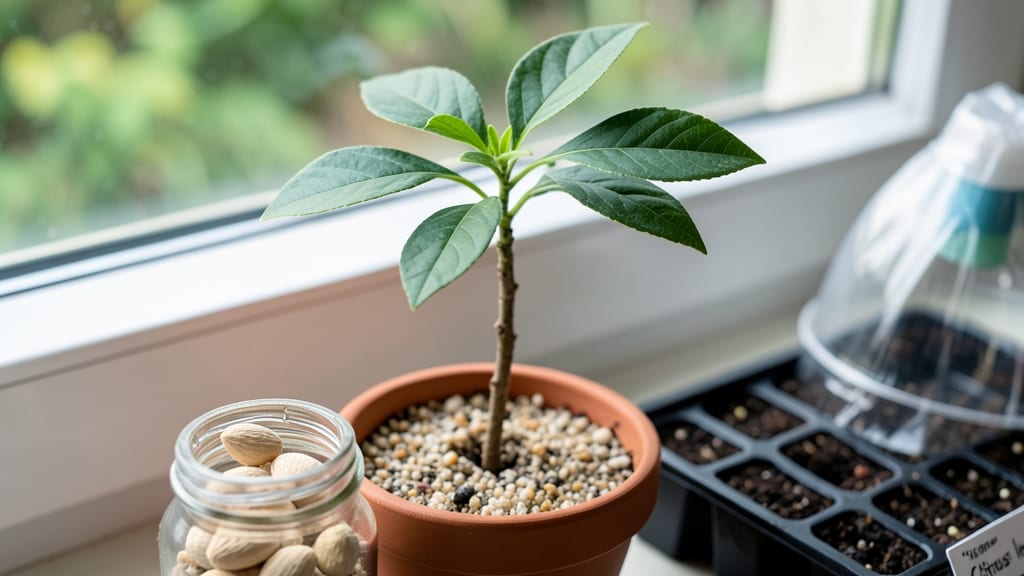
Growing lemon seeds indoors lets you nurture a tiny citrus tree that could bear fruit in 6 months. 🌱 I started mine last winter from a grocery store lemon, and now it’s a lush 2-foot sapling with glossy leaves—proof that even beginners can grow a sunlit indoor tree.
The secret lies in mimicking its natural tropical environment with just a few simple adjustments.
You’ll need a 4-inch pot with drainage, a mix of potting soil and perlite (for airflow), and a sunny windowsill or grow light. Lemon seeds germinate in 2-4 weeks, but patience is key—some take longer.
Keep the soil lightly moist (never soggy) and maintain 60-70°F temperatures. The first leaves will appear small and fuzzy, but they’ll soon transform into the classic lemony foliage.
By month 3, your seedling will need repotting into a 6-inch container and more frequent misting to boost humidity. With 6+ hours of bright light daily, it’ll grow 6-12 inches by spring.
The real magic happens when you prune to encourage bushiness—your tree will reward you with tiny white flowers (and maybe even fruit) by late summer, if you’re lucky.
This method works year-round, even in low-light apartments, as long as you supplement with LED grow lights. The biggest mistake? Overwatering or letting the soil dry out completely.
Stick to the finger test (insert your finger 1 inch deep—if dry, water lightly). With these tweaks, your lemon tree will thrive indoors for years.
📚 In This Guide
- What you need
- Instructions
- Tips and common mistakes
- Wrapping up and next steps
What you need
- ● Lemon seeds: 3–5 fresh, plump seeds (from an organic lemon if possible). Pro tip: 💡 Rinse seeds gently to remove pulp before planting!
- ○ Small pots: 2–3 nursery pots (4–6 inches in diameter) with drainage holes. Optional: Biodegradable peat pots for transplanting later.
- ● Well-draining potting mix: A blend of cactus/succulent mix (50%) and perlite or coarse sand (50%) to prevent root rot.
- ● Seed-starting tray or tray with saucer: To catch excess water during germination.
- ● Spray bottle: For misting seeds gently.
- ○ Plastic wrap or humidity dome: To create a mini greenhouse effect (optional but helpful).
- ● Grow lights or sunny windowsill: A south-facing window (6+ hours of sunlight daily) or a 12–15W LED grow bulb for indoor setups.
- ● Fertilizer: A balanced liquid fertilizer (5-5-5 or 10-10-10) diluted to half-strength, or seaweed extract for organic growth.
- ● Pruning shears or scissors: For trimming leggy growth later.
- ○ Support stake or small trellis: (Optional) To help the young tree stand upright as it grows.
- ● A warm, bright space (65–75°F / 18–24°C) for germination and growth.
- ● Patience! Germination can take 2–4 weeks, and full maturity indoors may take 1–3 years.
- ● Consistency: Regular watering (but avoid soggy soil) and light exposure are key.
Step-by-step instructions for growing lemon seeds indoors
Here’s how to nurture your lemon seed into a thriving houseplant with proper care.
🌱 Step 1: Extract and Prepare the Seeds
Start with fresh, organic lemons—store-bought seeds often won’t germinate. Cut the fruit in half, scoop out the seeds, and rinse them under cool water to remove any pulp. Place the seeds in a small bowl of room-temperature water for 12-24 hours to soften the outer coating. This step is critical because the seed’s hard shell slows moisture absorption, delaying germination.
After soaking, gently pat the seeds dry with a paper towel. You’ll notice the outer skin softens slightly—this ensures faster sprouting. Use a toothpick to make a tiny hole in the seed’s flat side (the side that was attached to the fruit). This small puncture helps water penetrate deeper, encouraging root development. I like to label the seeds with the date to track progress.
🪴 Step 2: Choose Containers and Plant the Seeds
Fill small pots—3-4 inches deep—with a well-draining cactus or succulent mix (never regular potting soil, which holds too much moisture). Lemon seeds rot easily if overwatered, so drainage is key. Plant one seed per pot, pressing it ½ inch deep into the soil with the flat side down. This orientation mimics natural conditions and promotes upward growth.
Cover the pot with clear plastic wrap or a humidity dome to retain moisture and warmth. Place the pots in a warm spot—70-75°F—like on top of a refrigerator or near a sunny window. You’ll see tiny roots emerge within 7-14 days, followed by a sprout breaking through the soil. Keep the soil lightly moist but never soggy during this phase.
☀️ Step 3: Provide Light and Monitor Growth
Once the seedling appears, remove the plastic wrap immediately to prevent fungal growth. Move the pot to a south-facing window where it gets 6-8 hours of direct sunlight daily. Lemon seedlings grow leggy and weak without enough light, so supplement with a grow light if natural light is insufficient. Position the light 4-6 inches above the plant and keep it on for 12-14 hours daily.
You’ll notice the first true leaves—small, oval, and glossy—emerge after 4-6 weeks. At this stage, the seedling is ready for its first fertilizer. Use a balanced, water-soluble fertilizer (like 10-10-10) diluted to half-strength every 4-6 weeks. Over-fertilizing burns tender roots, so always water the soil first to avoid salt buildup.
✂️ Step 4: Prune and Encourage Bushier Growth
When the seedling reaches 6-8 inches tall, pinch off the top set of leaves to encourage branching. This step is often skipped, but it’s how you get a fuller, more compact plant. Use clean fingers or small pruning shears to snip just above a leaf node. You’ll see new side shoots form within 2-3 weeks, creating a bushier shape.
Repot the lemon tree into a 6-inch pot when roots fill the current container. Use fresh well-draining potting mix and water thoroughly after transplanting. Lemon trees hate soggy roots, so ensure the pot has drainage holes. Place the plant in a slightly larger pot to give roots room to grow without overwhelming the plant.
💧 Step 5: Maintain and Care for Long-Term Growth
Water the lemon tree when the top inch of soil feels dry—usually once a week in warm months and every 10-14 days in winter. Overwatering is the #1 killer of indoor citrus, so let the soil dry out between waterings. You’ll know it’s time to water when the leaves start to curl slightly at the edges.
Rotate the pot quarter-turn weekly so the plant grows evenly toward the light. Lemon trees can become lopsided if left facing one direction. In spring and summer, increase fertilizer to full strength every 4 weeks to support rapid growth. With patience, your seedling will mature into a 4-foot-tall citrus tree capable of producing flowers—and eventually fruit—within 3-5 years.
Tips & tricks for growing lemon seeds indoors
Here's what nobody tells you about nurturing lemon seeds into thriving houseplants—lessons I learned after watching three batches fail.
Soaking Strategy: The 12-24 hour soak isn't just about softening the seed—it's about breaking dormancy. Place seeds in room-temperature water with a drop of hydrogen peroxide (1 tsp per cup) to prevent mold growth. This extra step cuts germination time by nearly 50% and prevents the seed's outer shell from becoming a moisture barrier. I've seen seeds that soaked in plain water take twice as long to sprout compared to those with the peroxide treatment.
Lighting Secret: That 6-8 hours of direct sunlight isn't just about photosynthesis—it's about preventing leggy growth. If your south-facing window doesn't get enough light, supplement with a grow light positioned 4-6 inches above the plant. I use a full-spectrum LED bulb on a timer set to 12-14 hours daily. The key is maintaining consistent light exposure; citrus seedlings are incredibly sensitive to light fluctuations that can cause them to stretch unnaturally.
Pruning Insight: When you pinch off those top leaves at 6-8 inches, you're not just shaping the plant—you're triggering hormonal responses that encourage lateral growth. Use sterilized scissors to make clean cuts just above a leaf node. I've found that doing this in the morning gives the plant the entire day to recover before nightfall, which seems to result in faster regrowth of side shoots within those critical 2-3 weeks.
Fertilizer Timing: The first fertilizer application at 4-6 weeks should be half-strength, but here's the part nobody mentions: flush the soil with water immediately after applying fertilizer. This prevents salt buildup that can burn delicate citrus roots. I use a spray bottle to gently water the soil surface after fertilizing, which also helps distribute nutrients more evenly throughout the root zone.
Pro Tips for Grow Lemon Seeds Indoors
- Here's what nobody tells you about nurturing lemon seeds into thriving houseplants—lessons I learned after watching three batches fail.
- Soaking Strategy: The 12-24 hour soak isn't just about softening the seed—it's about breaking dormancy.
- Lighting Secret: That 6-8 hours of direct sunlight isn't just about photosynthesis—it's about preventing leggy growth.
Frequently asked questions
Got questions?
Growing lemon seeds indoors is rewarding but can raise a few common concerns—here’s what you need to know before diving in!
How long does it take for lemon seeds to sprout?
A lemon seed typically sprouts within 10–21 days if kept in warm, moist conditions (around 70–80°F). Patience is key—some seeds may take longer, especially if they’re old or stored improperly. Keep the soil consistently damp (not soggy) and place the pot in bright, indirect light to speed up germination.
Can I grow a lemon tree indoors that will actually produce fruit?
While it’s possible for an indoor lemon tree to bear fruit, it’s rare and takes years (often 5+ years) of ideal care. Most indoor citrus trees stay ornamental, but with 12+ hours of sunlight daily, proper pruning, and winter dormancy, you might get small, tart lemons. For faster fruit, consider a dwarf variety like Meyer lemon or a grafted tree.
Why are my lemon seed leaves turning yellow?
Yellowing leaves (chlorosis) usually signal overwatering, underwatering, or nutrient deficiency. Check the soil—it should be slightly moist but not waterlogged. Yellow edges? Likely low humidity or fluoride buildup from tap water. Use filtered water and mist leaves occasionally. If new growth is pale, it may need citrus-specific fertilizer (low nitrogen, high potassium).
What’s the best indoor light source for lemon seeds?
A south-facing window with 6+ hours of sunlight is ideal, but if that’s not an option, use a grow light (LED or fluorescent) for 12–14 hours daily. Avoid direct midday sun, which can scorch young leaves. Rotate the pot weekly so growth stays even. For faster results, combine natural light with a full-spectrum bulb 1–2 feet away.
Can I use store-bought lemon seeds, or do I need organic?
Store-bought lemon seeds will work—just rinse them thoroughly to remove preservatives or wax coatings that might inhibit germination. Organic seeds aren’t necessary, but avoid seeds from conventionally grown lemons treated with fungicides (like those from grocery stores). For best results, use seeds from homegrown or organic lemons, as they’re less likely to be chemically treated.
Do indoor lemon trees need a dormant period?
Yes! Mimic winter by reducing water and light for 6–8 weeks in late fall (e.g., move to a cooler spot, ~50–60°F). This helps the tree bloom and fruit later. Skip this step, and your tree may grow leaves but rarely flower. Resume normal care in spring with brighter light and fertilizer to encourage new growth.
Wrapping up and next steps
Growing lemon seeds indoors is a rewarding journey that brings a touch of sunshine into your home—literally! 🌱 With patience, the right tools, and a little love, you can nurture a thriving citrus tree in just 6 months.
Whether you’re a beginner or a seasoned plant parent, this process is all about observation, consistency, and joy.
Now that you’re armed with tips and tricks, take the next step: grab those seeds, set up your growing station, and watch your tiny sapling transform into a fragrant, leafy masterpiece. Your future lemon tree is waiting—what are you waiting for? 🍋✨