
Container Gardens
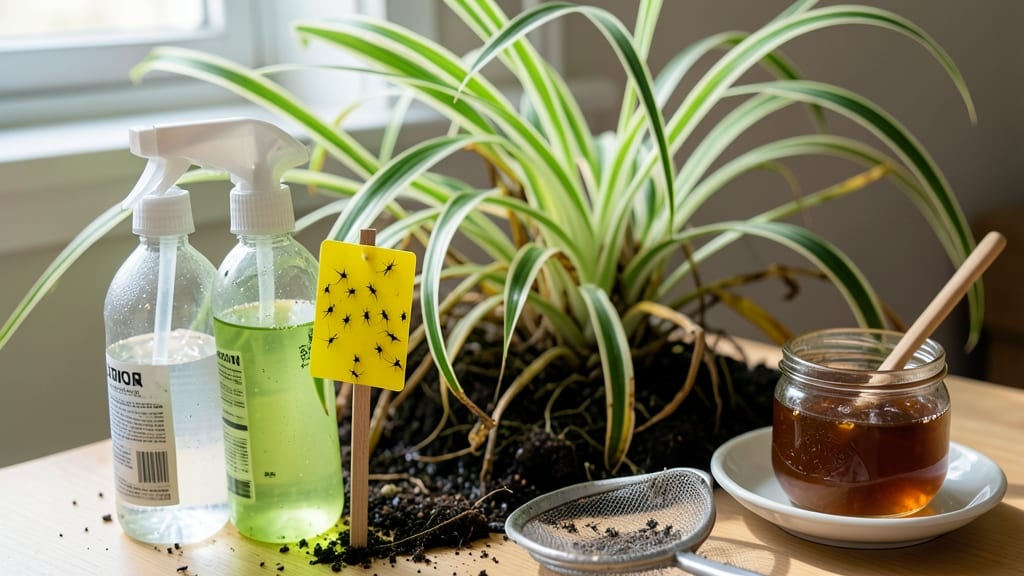
Those tiny, buzzing indoor plant flies hovering around your houseplants are fungus gnats—and they’re about to become history. 🌿 I’ve battled them in every stage of my indoor jungle, and this soapy water spray method wipes them out in under 10 minutes without harming your plants.
The secret? A mix that disrupts their life cycle while being completely plant-safe.
Fungus gnats thrive in damp soil, so the first step is always fixing their favorite breeding ground. Overwatering is the usual culprit—most houseplants prefer soil that’s slightly dry between waterings. Once you’ve adjusted your routine, the soapy spray becomes your secret weapon, targeting both adult flies and larvae without chemicals.
Within 24 hours, you’ll notice fewer flies, and in a week, they’ll be gone for good. The spray works by suffocating adults on contact while the soap residue lingers to deter new arrivals.
Plus, it’s a great excuse to check your plants’ roots for rot—a common side effect of overwatering that gnats love.
This method works for every type of houseplant, from ferns to succulents, and keeps your space pest-free without toxic fumes. The best part? You already have everything you need at home. Let’s get those flies out for good!
📚 In This Guide
- What you need
- Instructions
- Tips and common mistakes
- Wrapping up and next steps
What you need
- ● Dish soap – Use a mild, fragrance-free liquid dish soap (like Dawn or Castile soap). 1 tsp per quart of water is perfect.
- ● Water – 1 gallon (or 4 quarts) of room-temperature water. Avoid cold water to prevent shocking your plants.
- ● Spray bottle – A 16-32 oz. spray bottle with a fine mist nozzle (like a trigger sprayer for even coverage).
- ● Stirring stick or spoon – A wooden or plastic utensil to mix the solution gently.
- ○ Newspaper or cardboard – To cover the soil while spraying (optional but highly recommended to avoid oversaturating roots).
- ● Yellow sticky traps – Place a few near your plants to catch adult flies and break the cycle faster.
- ● Fine-mist sprayer attachment – If your bottle lacks one, a reusable spray nozzle (like a plant mister) improves precision.
- ● Gloves – If you’re extra sensitive to soap residue or handling sticky traps.
- ● Fan (small handheld) – Helps dry the soil faster after spraying to deter future eggs.
Step-by-Step instructions for eliminating indoor plant flies
Here's the fast, chemical-free method I use to banish those pesky gnats in minutes.
🪴 Step 1: Identify and Isolate the Problem
First, locate where the flies are breeding—usually near the soil surface of overwatered plants. Look for tiny black specks moving in the top inch of soil or around the pot's rim. I always check the drainage tray too, as trapped moisture creates the perfect breeding ground. Move infested plants to a separate area immediately to prevent the flies from spreading to your entire collection.
Don't ignore this step. If you treat only some plants while others remain untreated, the flies will just relocate. I've seen this happen too many times—what seems like a localized problem becomes a full-blown infestation overnight.
💧 Step 2: Prepare the Soapy Water Solution
Mix 1 tablespoon of mild liquid dish soap (like Dawn) with 1 gallon of lukewarm water in a spray bottle. The key is using mild soap—harsh detergents can damage plant leaves. Shake gently to create a fine mist. This solution works by suffocating the flies on contact while being safe enough for most houseplants.
I like to use a spray bottle with a fine mist nozzle because it gives me better control. Test the spray on a small leaf first—if you see any discoloration after 10 minutes, dilute the solution with more water. The goal is to kill the flies without harming your plants.
✂️ Step 3: Apply the Treatment Directly
Start by spraying the soil surface thoroughly until it looks damp but not soggy. Focus on the top ½ inch where the flies are breeding. Then, spray the leaves and stems of the plant, paying special attention to the undersides where flies often hide. You'll see the flies drop immediately—this is normal and means the treatment is working.
After spraying, wait 10-15 minutes before wiping down the leaves with a damp cloth. This gives the soap time to work while preventing residue buildup. I repeat this process every other day for one week to ensure all eggs and larvae are eliminated.
☀️ Step 4: Adjust Watering and Prevent Recurrence
Overwatering is the root cause of indoor plant flies, so adjust your watering routine immediately. Let the top 1-2 inches of soil dry out completely between waterings. Stick your finger in the soil—if it feels damp past your first knuckle, wait another day. Most houseplants thrive with less water than we think.
I also add a ½ inch layer of coarse sand or perlite to the soil surface. This creates a barrier that discourages flies from laying eggs while improving drainage. For extra protection, place yellow sticky traps near the plant to catch any remaining adults.
Tips & tricks for eliminating indoor plant flies
Let me save you from the frustration I went through when these tiny pests took over my houseplants. These practical tips will help you tackle the problem faster and more effectively.
Focus on the Right Spots: In Step 1, when you're isolating the problem, pay extra attention to the drainage tray and any cracks in the pot. I've found that flies often hide in these overlooked spots. Use a flashlight to inspect these areas—you'll be surprised how many flies you'll find lurking there. This thorough inspection prevents reinfestation from hidden breeding grounds.
Soap Selection Matters: In Step 2, while any mild dish soap works, I've found that Dawn or Joy work best for this method. Avoid antibacterial soaps—they can be too harsh and may damage delicate plant leaves. If you're unsure about your soap, test it on a small leaf first and wait the full 10 minutes to check for any adverse reactions.
Timing is Everything: The 10-15 minute wait after spraying in Step 3 is crucial. This gives the soap enough time to suffocate the flies while allowing you to wipe away any residue before it dries. I've noticed that if you wipe too soon, some flies might survive, but if you wait too long, the soap residue can clog leaf pores. Finding that sweet spot makes all the difference.
Prevention is Key: After completing Step 4, consider adding a thin layer of cinnamon on top of the soil. The scent naturally deters flies from laying eggs, and it's completely safe for your plants. I've used this trick for months now and haven't seen any new fly activity since implementing it.
Pro Tips for Get Rid Of Indoor Plant Flies
- Let me save you from the frustration I went through when these tiny pests took over my houseplants.
- Focus on the Right Spots: In Step 1, when you're isolating the problem, pay extra attention to the drainage tray and any cracks in the pot.
- Soap Selection Matters: In Step 2, while any mild dish soap works, I've found that Dawn or Joy work best for this method.
Frequently asked questions
Got questions about tackling those pesky indoor plant flies? You’re not alone—here are some of the most common concerns and straightforward answers to help you reclaim your green space!
Why do I keep getting plant flies even after treating them?
Plant flies (fungus gnats) are persistent because their life cycle is fast—eggs hatch in just a few days. If you’re still seeing them, they might be hiding in soil or potted plants. Double-check moisture levels (they love damp soil) and repeat treatments every 5–7 days until you stop seeing adults for 2 weeks.
Can I use soapy water on all my plants?
Yes, but with a few caveats! Stick to mild, plant-safe soap (like castile soap) and avoid harsh detergents or essential oils, which can harm leaves. Test a small area first, and rinse thoroughly if you notice any residue. Avoid spraying flowering plants or delicate ferns directly.
How long does it take to see results?
You’ll likely notice a reduction in adult flies within 24–48 hours of treatment, but eradicating them completely can take 2–4 weeks. Consistency is key—keep treating until you’ve broken their life cycle. Patience pays off!
Are there natural alternatives to soapy water?
Try these DIY remedies:
- Yellow sticky traps: Place near plants to catch adults.
- Hydrogen peroxide (3%): Mix 1 part peroxide with 4 parts water and pour into soil (repeats every 3–4 days).
- Beneficial nematodes: Microscopic worms that target larvae (best for soil-dwelling pests).
- Diatomaceous earth: Sprinkle lightly on soil (avoid overwatering after application).
What if my plants start looking sad after treatment?
Over-treating with soapy water or other solutions can stress plants. If leaves turn yellow or wilt, flush the soil with plain water and reduce treatments. Adjust care too—fungus gnats thrive in overwatered soil, so let the top inch dry out between waterings.
Will plant flies spread to other rooms?
While they prefer humid environments like bathrooms or kitchens, they can wander if conditions are right. To prevent spread, quarantine infested plants, clean up debris, and avoid overwatering nearby plants. Adult flies are weak fliers, so sealing gaps in windows can help too!
Wrapping up and next steps
Dealing with those pesky fungus gnats doesn’t have to be a losing battle! With just a few simple steps—like a soapy water spray or natural traps—you can reclaim your plants in no time. 🌱✨ Stay consistent, and soon your indoor garden will thrive without unwelcome visitors.
Ready to take action? Pick your method, gather your supplies, and give your plants the fresh start they deserve!