
Pruning
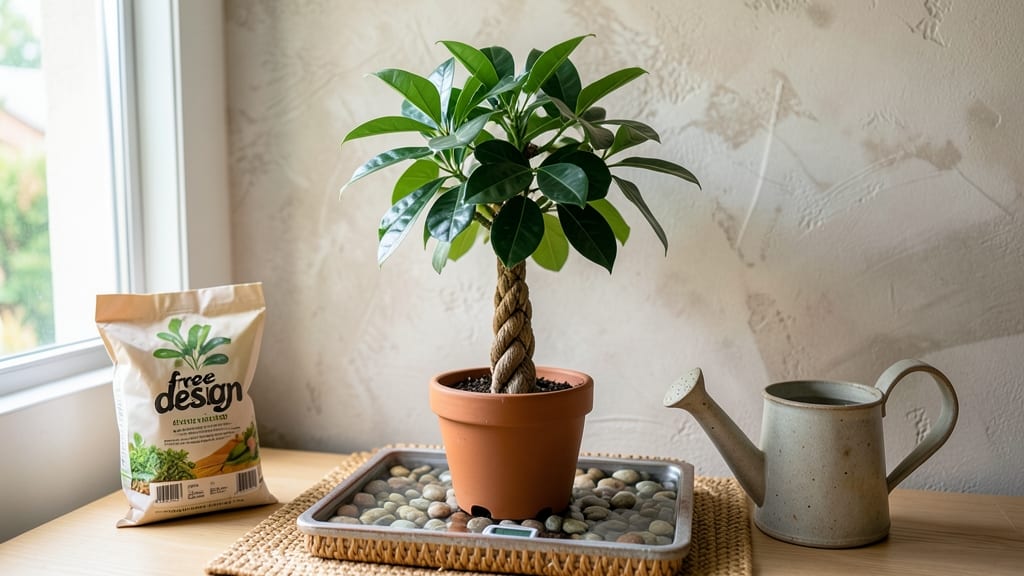
Caring for a money tree indoors isn’t as tricky as it seems—just 3 simple tricks keep it thriving. 💚 I’ve nursed my own back from sad, leggy branches to a lush, five-fingered showstopper using these exact methods, and you can too.
The key starts with bright, indirect light—think east-facing windows or a few feet from a south window. Overwatering is the real villain: let the top 2 inches of soil dry out between drinks, and use well-draining soil to avoid soggy roots.
Humidity matters too; mist those leaves or place the pot on a pebble tray if your home feels dry. With these basics nailed, you’ll see new growth within 4-6 weeks, and those braided stems will fill out like a tropical dream. The best part?
It’s foolproof once you get the rhythm down—no green thumb required. Here’s where most people mess up: pruning at the wrong time or ignoring brown leaves as a sign of overwatering. I’ll show you how to fix those fast, so your money tree stays happy year-round.
📚 In This Guide
- What you need
- Instructions
- Tips and common mistakes
- Wrapping up and next steps
What you need
- ● Money Tree Plant: A healthy Money Tree (preferably 1-3 years old) with 4-5 main stems for that classic braided look.
- ● Well-Draining Potting Soil: A high-quality indoor plant mix (1 bag, ~2-3 gallons) with perlite or orchid bark for aeration.
- ● Pot with Drainage Holes: A 6-12 inch ceramic or terracotta pot (size depends on plant maturity).
- ● Watering Can or Spray Bottle: A light spray nozzle for gentle hydration.
- ● Pruning Shears: Clean, sharp scissors (sterilized with rubbing alcohol) for trimming.
- ● Fertilizer: A balanced liquid fertilizer (e.g., 10-10-10 or 20-20-20, diluted to half-strength).
- ● Grow Lights: LED full-spectrum bulbs (1-2) for low-light areas.
- ● Humidity Tray: A pebble-filled tray with water to boost moisture (especially in dry climates).
- ● Plant Food: Slow-release granular fertilizer for occasional nutrient boosts.
- ● Support Stakes/Braiding Twine: If you’re training your Money Tree into a braid, use soft garden twine or bamboo stakes.
- ● Soil pH Tester: To check if your soil is slightly acidic (6.0-7.0)—Money Trees love it!
Step-by-Step instructions for caring for money tree indoors
Here's the simple, no-fuss routine I use to keep my money tree lush and thriving year-round.
💧 Step 1: Water When the Top 2 Inches Feel Dry
Money trees store water in their thick stems, so they don't need frequent watering. Stick your finger 2 inches deep into the soil—when it feels dry at that depth, it's time to water. I use room-temperature water to avoid shocking the roots, and I water until it drains freely from the bottom. This ensures the roots get properly hydrated without sitting in soggy soil.
Here's the thing—overwatering is the #1 killer of money trees. If the soil stays damp for more than a few days, the roots suffocate. You'll know you're doing it right when water runs out the drainage hole and the soil looks evenly moist but not waterlogged. After that, let it dry out before watering again.
☀️ Step 2: Place in Bright, Indirect Light
Money trees love bright light but can't handle harsh midday sun, which burns their leaves. The perfect spot is near an east-facing window where it gets gentle morning light, or a few feet back from a south-facing window. You'll see the leaves adjust—healthy ones stay a rich, dark green, while light deprivation causes them to fade or develop yellow patches.
If your tree starts leaning toward the light, rotate it a quarter turn every few days. This encourages even growth and prevents lopsided development. Fluorescent lights work in a pinch, but natural light always produces the best results. Just watch for brown leaf tips—those are a sign the air is too dry near your heating vents.
🌿 Step 3: Dust Leaves and Mist Occasionally
Money trees have large, waxy leaves that collect dust quickly. Every 2-4 weeks, wipe them down with a damp cloth or sponge. This helps them absorb light more efficiently and prevents pests from hiding in the dust. I do this while watering—it's a great two-in-one maintenance task. Just avoid using leaf shine products, as they can clog the pores.
While you're at it, give the leaves a light misting every few weeks. Money trees originate from tropical environments, so they appreciate the humidity. You'll notice the difference in just a few mistings—the leaves stay plump and vibrant instead of crispy at the edges. If your home is particularly dry, consider placing the pot on a tray of pebbles with water to increase humidity around the plant.
✂️ Step 4: Prune and Repot Every Few Years
Pruning isn't just about shaping—it's about encouraging new growth. When you see leggy stems or branches growing in odd directions, trim them back to just above a leaf node. Use clean, sharp scissors to make the cut, and don't worry about keeping it perfect. The goal is to promote bushier growth and prevent the tree from becoming top-heavy.
Every 2-3 years, repot your money tree into a container just 1-2 inches larger than its current one. This gives the roots room to grow without overwhelming the plant. I always repot in spring, right before the growing season kicks in. Use fresh potting mix and check the roots—if they're circling the bottom, it's definitely time for a bigger pot. This simple step keeps your money tree healthy and vigorous for years.
Tips & tricks for thriving money tree care
Keeping your money tree happy doesn't have to be complicated—just a few simple adjustments can make all the difference. Here's what I've learned after years of growing these resilient plants.
Watering Wisdom: The 2-inch dry test in Step 1 is your best friend, but here's the thing—morning watering works best. Watering in the morning gives the roots plenty of time to absorb moisture before nightfall, reducing the risk of overwatering. I also recommend using a pot with drainage holes—if your pot doesn't have them, add a layer of pebbles at the bottom to prevent root rot.
Lighting Secrets: In Step 2, if you notice your money tree stretching toward the light (a sign of light deprivation), it's not too late to fix it. Gradually move the plant closer to a brighter spot over a few days—sudden changes can shock the plant. For indoor growers, a simple LED grow light (around 12-16 hours per day) can be a game-changer if natural light is limited.
Pruning Pro Tip: When you're pruning in Step 4, don't throw away those cuttings! Place them in water for a few weeks—they'll root and become new money trees. This is how I've propagated several of my plants. Just make sure to use clean scissors and cut at a 45-degree angle for better water absorption.
Humidity Hack: The occasional misting in Step 3 makes a huge difference, but here's what nobody tells you—grouping your money tree with other houseplants creates a natural microclimate. The plants release moisture through transpiration, increasing humidity around them. It's like creating your own little jungle corner!
Pro Tips for Care For Money Tree Indoors
- Keeping your money tree happy doesn't have to be complicated—just a few simple adjustments can make all the difference.
- Watering Wisdom: The 2-inch dry test in Step 1 is your best friend, but here's the thing—morning watering works best.
- Lighting Secrets: In Step 2, if you notice your money tree stretching toward the light (a sign of light deprivation), it's not too late to fix it.
Frequently asked questions
Got questions about keeping your Money Tree happy? You’re not alone!
Here are some of the most common concerns—plus quick fixes to keep your plant thriving.
How often should I water my Money Tree?
Water your Money Tree when the top 1-2 inches of soil feel dry. Overwatering is the #1 killer—stick your finger in the soil to check! In winter, reduce watering to every 2-3 weeks since growth slows. Yellow leaves? You’re likely overdoing it.
Can a Money Tree survive in low light?
Yes, but it’ll grow slower. Place it near a bright, indirect light source (like an east-facing window) for best results. If leaves start dropping, move it closer to light—just avoid harsh direct sun, which can scorch the foliage.
How do I prune a Money Tree?
Prune in spring or early summer to shape the tree or encourage bushiness. Use clean scissors to trim back leggy stems or yellow leaves. Never prune more than 1/3 of the plant at once—this keeps it healthy! Pro tip: Propagate cuttings in water or soil for new plants.
What pests should I watch for on my Money Tree?
Keep an eye out for spider mites, mealybugs, or scale. Wipe leaves with a damp cloth to spot early signs (sticky residue or tiny webs). Treat infestations with neem oil or insecticidal soap—act fast to avoid spreading!
Why is my Money Tree dropping leaves?
Leaf drop usually means stress—check for over/underwatering, sudden temperature changes, or drafts. Move it to a stable spot with consistent humidity (mist occasionally or use a pebble tray). Patience helps—new leaves will return once conditions improve!
Wrapping up and next steps
Caring for your money tree (Pachira aquatica) indoors is simpler than you think—just remember the three golden rules: bright, indirect light, occasional pruning for shape, and letting the soil dry slightly between waterings.
With a little patience and love, your plant will reward you with lush, vibrant growth and even those sought-after braided stems! 🌿✨
Now that you’re armed with the know-how, take the next step and give your money tree the TLC it deserves. Watch it thrive, and soon, you’ll be sharing your green success story with fellow plant parents! 🌱💚