
Container Gardens
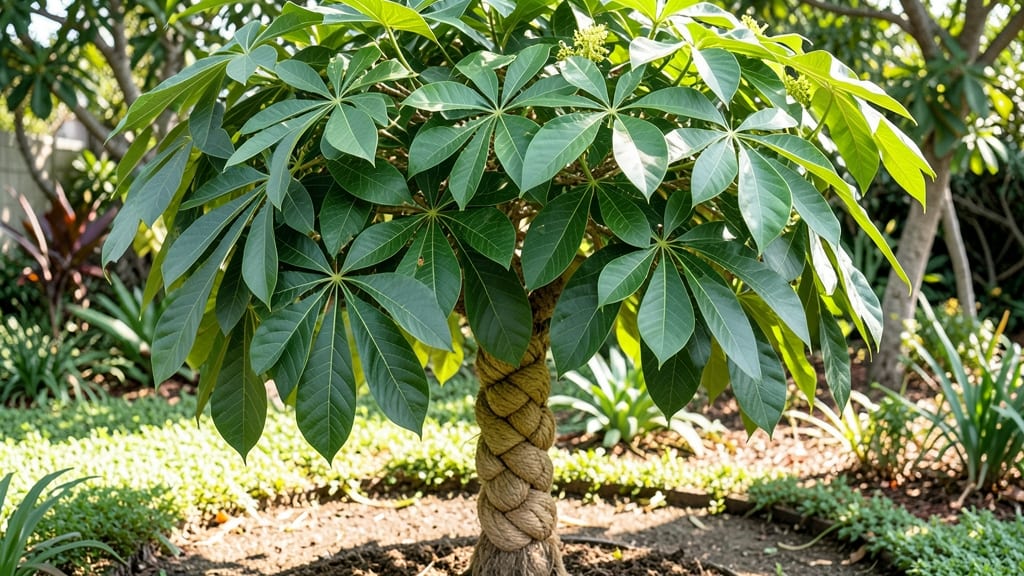
The money tree indoor plant thrives when you mimic its tropical roots—bright, indirect light and consistently moist (not soggy) soil. 🌿 I’ve kept mine lush for years by placing it near an east-facing window and watering only when the top inch feels dry.
The key is patience; this plant grows slow but steady, rewarding you with glossy leaves and that satisfying "I’ve got this" energy. The soil mix matters—too dense and roots suffocate, too sandy and nutrients wash away.
A blend of potting soil and perlite (or coconut coir) keeps roots happy while allowing water to drain. Humidity is your secret weapon too; a pebble tray or occasional misting keeps those leaves looking like they’re basking in a jungle breeze.
You’ll notice new growth within 6-8 weeks if you nail these basics. The branches will thicken, leaves stay vibrant, and that symbolic energy (good luck, prosperity—you name it) feels real. Prune sparingly to encourage bushiness, and watch it grow into a statement plant that’s impossible to kill.
This plant adapts to most indoor spaces—just avoid drafts and direct sun. Even my black thumb can’t kill one of these, and the payoff? A living centerpiece that grows with you over time.
📚 In This Guide
- What you need
- Instructions
- Tips and common mistakes
- Wrapping up and next steps
What you need
- ● Money Tree Plant: 1 healthy Pachira aquatica (5–10" pot size is ideal for beginners). Look for plants with vibrant green leaves and no signs of pests.
- ● Well-Draining Soil: 1 bag (5–10 lbs) of cactus or succulent mix (or a blend of 50% potting soil + 50% perlite/pumice for aeration). Avoid heavy, compacted soil!
- ● Pot with Drainage: 1 ceramic, terracotta, or plastic pot (1–2" larger than the nursery pot) with drainage holes. Size: 6–8" diameter for small plants, 10–12" for mature trees.
- ● Watering Can: 1 with a narrow spout (to avoid overwatering). A spray bottle works for misting.
- ● Fertilizer: 1 bottle of balanced liquid fertilizer (10-10-10 or 20-20-20) or slow-release granules (like Osmocote).
- ● Pruning Shears: 1 pair of sterilized, sharp scissors (for trimming brown leaves or shaping).
- ● Decorative Pot: A stylish outer cache pot (without drainage) to match your decor—just remove it before watering!
- ● Humidity Tray: A pebble tray or humidifier to boost moisture in dry climates.
- ● Plant Food: 1 packet of seaweed extract or fish emulsion for a nutrient boost (use sparingly!).
- ● Support Stake: A moss pole or bamboo stake (for tall varieties) to encourage upward growth.
- ● Plant Light Meter: A small lux meter to check light levels (ideal: 1,000–2,000 lux for indirect light).
Step-by-step guide to growing a thriving money tree indoors
Here’s how to coax that lush, braided beauty into full, vibrant growth—no green thumb required.
🪴 Step 1: Choose the Right Pot and Soil Mix
Start with a container that’s just 2-3 inches wider than the root ball—too big means soggy soil and root rot. I like terracotta pots because they breathe and help prevent overwatering, but plastic works too if it has drainage holes. Skip the decorative cachepot without drainage for now; you’ll need to move the plant to water it.
Use a well-draining potting mix formulated for indoor plants—never garden soil. I blend mine with 20% perlite or orchid bark to improve aeration. Fill the pot halfway, then tap it gently on the table to settle the mix before adding your money tree. The goal is loose, airy soil that won’t suffocate those delicate roots.
🌱 Step 2: Plant and Position for Success
Remove the money tree from its nursery pot and gently loosen the roots if they’re circling. Place it in the center of your prepared pot, then fill in around the sides with more soil mix, pressing lightly to eliminate air pockets. Stop when the soil line is about 1 inch below the pot’s rim—this gives you room to water without spilling.
Here’s the thing—money trees hate drafts and cold windows. Place yours in a spot with bright, indirect light (think east or north-facing window) where temperatures stay between 65-80°F. If you notice leaves yellowing or dropping, it’s either too cold or too bright—move it to a warmer, shadier spot immediately.
💧 Step 3: Water with Precision (Not Guesswork)
Water your money tree only when the top 2-3 inches of soil feel dry to the touch. Stick your finger in—if it comes out clean, it’s time. When you water, soak the soil until water runs out the drainage hole, then empty the saucer. Overwatering is the #1 killer of money trees, so I use the “wait-and-see” method: better to underwater slightly than drown those roots.
Mist the leaves every 2-4 weeks to mimic humidity, but skip this if your home stays above 50% humidity. You’ll know humidity’s right when the leaves stay plump and glossy. Yellow leaves? Usually overwatering. Brown tips? Too dry or low humidity. Adjust accordingly—your money tree will thank you.
☀️ Step 4: Rotate and Prune for Full, Bushy Growth
Turn your pot a quarter turn every 2-3 weeks so the plant grows evenly toward the light. You’ll see it lean toward windows—this is normal, but rotation keeps it balanced. Once your money tree reaches 12-18 inches tall, it’s time to prune. Snip just above a leaf node (where leaves attach) to encourage branching.
Don’t skip pruning—this is how you get that full, lush look. After trimming, wipe the leaves with a damp cloth to remove dust, which helps them absorb light better. If you notice leggy growth (long stems with sparse leaves), your plant needs more light. Move it closer to a window or add a grow light for 12-14 hours daily.
⏰ Step 5: Feed and Maintain Year-Round
Money trees are light feeders, but they do best with a balanced liquid fertilizer diluted to half-strength every 4-6 weeks in spring and summer. Skip fertilizer in fall and winter—this is their dormant season. I use a spray bottle to apply fertilizer to the soil (not leaves) to avoid burning the roots.
Check the roots every 12-18 months—if they’re circling the pot or poking out the drainage holes, it’s time to repot. Spring is the best time. Choose a pot just 2 inches larger in diameter and refresh the soil mix. Your money tree will reward you with faster growth and thicker foliage after repotting.
Tips & tricks for perfect money tree indoor plant care
These little details make all the difference between a struggling plant and a thriving money tree that looks like it came from a botanical garden.
Soil Aeration Secret: After filling your pot halfway with soil mix, tap it gently on the table before adding your money tree. This settles the soil and creates tiny air pockets that prevent compaction. I learned this the hard way—my first money tree struggled because the soil was too dense, and the roots couldn't breathe properly. Those extra 10 seconds of tapping make a world of difference for root health.
Light Positioning: That bright, indirect light recommendation isn't just about avoiding direct sun—it's about finding the sweet spot where your money tree gets enough light to thrive without getting sunburned. East-facing windows are ideal because they provide gentle morning light without the harsh afternoon sun. If you notice leaves developing yellow patches or crispy edges, it's a sign your plant is getting too much direct sunlight. Rotate your plant quarter turns every 2-3 weeks to ensure even growth toward the light source.
Pruning Technique: When pruning your money tree at 12-18 inches tall, always snip just above a leaf node where leaves attach. This is where new branches will sprout, giving you that full, bushy look. I use clean, sharp scissors and make a clean cut at a 45-degree angle to prevent tearing the stem. After pruning, wipe the leaves with a damp cloth to remove dust—this helps them absorb light more efficiently and keeps your plant looking its best.
Repotting Strategy: When it's time to repot every 12-18 months, choose a pot that's just 2 inches larger in diameter than your current one. This gives your money tree enough room to grow without overwhelming it with excess soil that can stay too wet. Spring is the best time for repotting because it coincides with the plant's natural growth cycle. Refresh the soil mix completely—don't just add new soil on top of old soil, as this can create a layer that prevents proper root growth.
Pro Tips for Money Tree Indoor Plant
- These little details make all the difference between a struggling plant and a thriving money tree that looks like it ...
- Soil Aeration Secret: After filling your pot halfway with soil mix, tap it gently on the table before adding your mon...
- Light Positioning: That bright, indirect light recommendation isn't just about avoiding direct sun—it's about finding...
Frequently asked questions
Got questions about your money tree indoor plant? You’re not alone! Here are some of the most common queries—plus quick, practical answers to keep your plant thriving.
How fast does a money tree grow, and how big can it get?
A healthy money tree (Pachira aquatica) grows about 6–12 inches per year with proper care. Indoors, it typically reaches 6–10 feet tall but can be pruned to stay smaller. Patience is key—it’s a slow grower compared to succulents but rewards you with lush foliage over time!
Can I grow a money tree from a cutting, and how?
Yes! Take a 4–6 inch cutting with at least 3–4 nodes (bumps where leaves grow). Dip the cut end in rooting hormone, then place it in moist potting mix or water. Keep it in bright, indirect light and maintain humidity. Roots usually form in 4–8 weeks—just be patient!
Why are the leaves on my money tree turning yellow or brown?
Yellow leaves often signal overwatering (check soil moisture—it should dry slightly between waterings), while brown edges can mean low humidity or underwatering. Pest infestations (like spider mites) or fluoride in tap water can also cause stress. Adjust care and inspect leaves for pests!
Is a money tree toxic to pets, and what are safe alternatives?
Nope! Money trees are non-toxic to cats and dogs—safe for pet owners. If you’re looking for alternatives with similar luck symbolism, try jade plants (toxic to pets) or peace lilies (non-toxic but needs shade). For pet-friendly Feng Shui vibes, boston ferns or parlor palms are great picks!
Can a money tree survive winter indoors, and how do I care for it?
Money trees thrive year-round indoors. In winter, reduce watering (let soil dry more between drinks) and keep it away from drafty windows or heating vents. Mist leaves occasionally to combat dry air. A south- or east-facing window with bright, indirect light is ideal!
Wrapping up and next steps
Growing a lucky money tree isn’t just about adding greenery—it’s about nurturing a symbol of prosperity and joy! With the right care, bright indirect light, and a little patience, your money tree can thrive year-round, bringing good vibes (and maybe even good luck 🍀) to your space.
Whether you’re a seasoned plant parent or just starting out, every small step—like proper watering or occasional pruning—makes a difference.
Ready to watch your money tree flourish? Grab your plant, follow the tips you’ve learned, and enjoy the journey. Next up: Share your progress with fellow plant lovers or explore other low-maintenance indoor plants to expand your green collection! 🌱