
How To
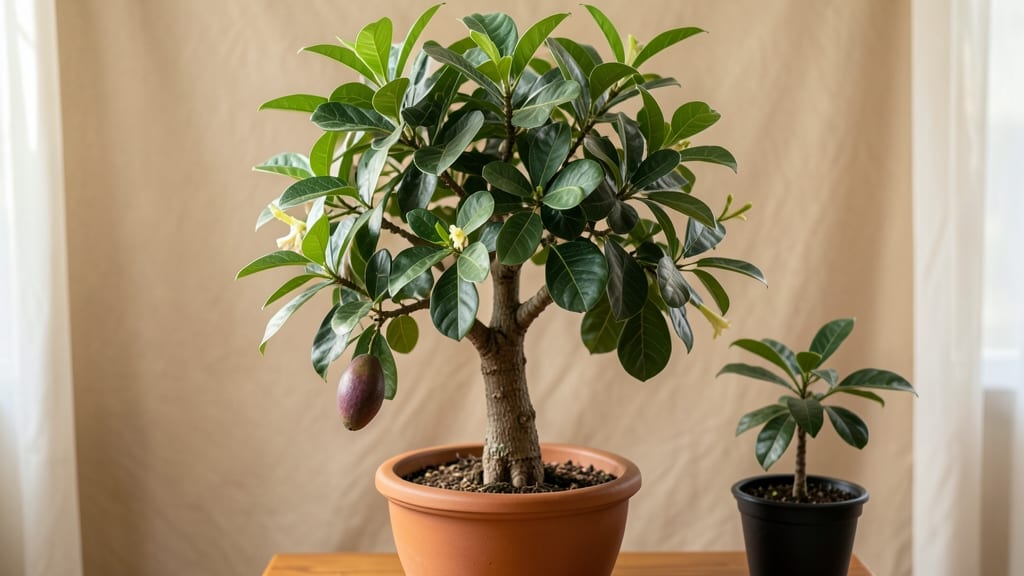
An indoor avocado tree can grow anywhere from 4 feet to over 20 feet tall, depending on the variety and how you care for it.
Dreaming of a lush 🥑 indoors but worried it’ll outgrow your space? The truth is, indoor avocado trees can thrive at any height—if you choose the right variety and care for it properly.
Standard varieties like Hass can reach ceiling heights in just a few years, while dwarf types stay manageable at 4-8 feet with the right pruning. The key is understanding your space, sunlight, and growth habits to keep your tree at the perfect height for your home.
In this guide, I’ll break down how to control your avocado tree’s height, the best varieties for small spaces, and proven techniques to keep it lush without taking over your living room.


Indoor avocado tree height limits by variety: what to expect
Growing an avocado tree indoors is a rewarding experience, but height control depends entirely on the variety you choose. While some varieties can reach 15 feet tall indoors, others stay compact at just 4 feet. The key is understanding each variety’s genetic potential and how pruning affects growth.
Most avocado trees sold as houseplants are standard varieties like Hass or Fuerte, which can grow 10-15 feet tall indoors if unchecked. However, dwarf varieties like Mexican or West Indian types remain under 8 feet with proper care. Your goal should be to match the variety to your space.
Here’s how genetics and environmental factors determine height: Dwarf varieties naturally grow slower due to their rootstock, while standard varieties have faster growth rates. Pruning can reduce height by up to 50%, but it won’t make a standard variety grow like a dwarf.
Light exposure also plays a role—bright indirect light encourages vertical growth, while limited light can stunt height but reduce overall health. For example, a Hass avocado in a sunroom may grow 3 feet taller than one in a dim corner.
| Variety | Indoor Height Range (ft) | Growth Rate (ft/year) | Pruning Impact | Notes |
|---|---|---|---|---|
| Hass | 10-15 ft | 1-2 ft | Can reduce by 50% | Most common indoor variety; needs strong pruning |
| Fuerte | 8-12 ft | 1 ft | Moderate pruning needed | Slightly smaller than Hass; good for medium spaces |
| Bacon | 6-10 ft | 0.8-1.2 ft | Minimal pruning for height control | Disease-resistant; slower grower |
| Mexican (Dwarf) | 4-6 ft | 0.5-0.8 ft | Light pruning only | Best for small spaces; cold-hardy |
| West Indian | 5-8 ft | 0.6-1 ft | Minimal pruning | Fastest-growing dwarf; needs warmth |
If you’re working with a standard variety like Hass, expect aggressive vertical growth unless you prune regularly. One indoor gardener shared that their unpruned Hass tree hit 12 feet in 5 years, while a pruned one stayed at 6 feet.
The difference? Pruning back one-third of new growth every spring.
For dwarf varieties, height management is easier. A Mexican avocado in a 15-gallon pot typically stays under 6 feet without pruning. However, even dwarfs can grow taller if given optimal light and nutrients. Always monitor growth and adjust care accordingly.
Pot size matters too—root-bound trees grow faster vertically because they’re stressed. Upgrading to a larger pot every 2-3 years can slow height growth by 20-30%. For example, a Hass in a 5-gallon pot may grow 2 feet taller per year than one in a 10-gallon pot.
Real-world examples show that indoor avocado trees rarely exceed 15 feet unless given outdoor-like conditions. Most home gardeners keep theirs between 6-10 feet through a combination of pruning, pot size, and light control. Start with a dwarf variety if ceiling height is a concern.
Remember, height isn’t the only factor—canopy spread matters too. A pruned tree with a wide base looks fuller and healthier than a tall, leggy specimen. Aim for a balanced shape by pruning both height and width equally.
How to control avocado tree height indoors: pruning and training techniques
If your indoor avocado tree is shooting up too fast, don’t panic! With the right pruning techniques and training methods, you can shape it into a compact, manageable size. The key is understanding when to prune and how to encourage bushier growth while keeping it at your desired height.
Whether you want a 6-foot tabletop tree or a 3-foot bonsai-style plant, these steps will help you achieve it.
Avocado trees grow quickly indoors, especially with plenty of bright indirect light and consistent care. Without control, they can reach 10 feet or taller in just a few years. But with strategic pruning, you can redirect energy toward lateral branches and maintain a height that fits your space.
Start by identifying the best time to prune, which is typically in early spring or after a growth flush.
Step-by-Step Pruning Guide
- Step 1: Wait until your tree has grown 6-12 new leaves after a dormant period. This indicates active growth and the best time to prune.
- Step 2: Use sterilized pruning shears or sharp bypass pruners to cut just above a leaf node or branch collar. Avoid tearing the bark.
- Step 3: Remove up to 1/3 of the new growth to encourage branching. Focus on the topmost shoots to control height.
- Step 4: If your tree is top-heavy, install a stake or support to prevent tipping. Use soft ties to avoid damaging the trunk.
- Step 5: After pruning, place the tree in a bright, indirect light spot and water deeply to reduce stress.
- Step 6: Repeat pruning every 3-4 months to maintain height, but avoid over-pruning, which can stress the tree.
For even more control, try topping your avocado tree. This involves cutting the main stem back by 1/3 to 1/2 to force the tree to branch out. Topping works best on trees that are 2-3 feet tall and have a sturdy trunk.
After topping, your tree may look bare for a few weeks, but new shoots will emerge from the sides, creating a fuller shape.
If your avocado tree is root-bound, it may grow faster but become unstable. Check for roots circling the pot or growing out of the drainage holes. To manage this, repot every 2-3 years into a container just 2 inches larger than the current one.
This slows height growth while encouraging root health. Always use a well-draining potting mix to prevent root rot.
Encouraging bushier growth is easier with the right techniques. Pinch off the topmost buds on young trees to promote side branches. You can also use a growth regulator like diluted seaweed extract to slow vertical growth while boosting lateral development.
Just remember: patience is key—avocado trees respond best to gradual adjustments rather than drastic cuts.
With these methods, your indoor avocado tree will stay at a manageable height while thriving. Just remember to prune regularly, provide adequate support, and monitor its growth habits. Soon, you’ll have a stunning, compact tree that fits perfectly in your home—without sacrificing its health or beauty! 🌿✂️🪴