
Trees
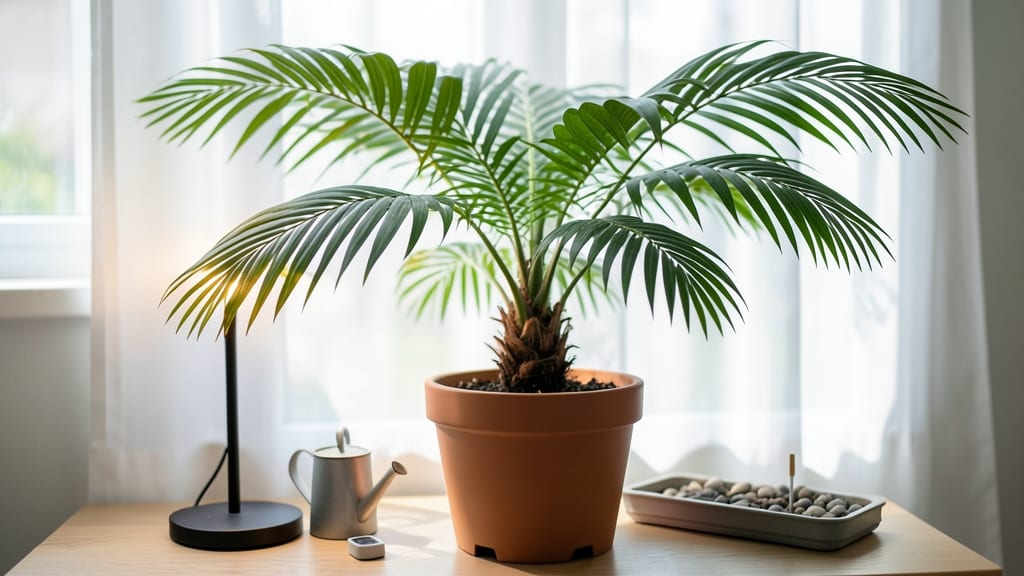
Growing a palm tree indoors brings a taste of the tropics to any room. 🌿 I’ve watched my parlor palm grow from a 12-inch sapling to a 6-foot statement piece in just three years—no greenhouse required. The key?
Picking the right species, mimicking its natural habitat, and avoiding common mistakes that stunt growth or turn leaves brown. Start with a low-light tolerant variety like the parlor palm or bamboo palm, both of which thrive in indirect sunlight. These species forgive occasional neglect, making them perfect for busy homes.
You’ll need a well-draining potting mix (think 60% peat or coconut coir, 30% perlite, and 10% compost) and a container with drainage holes—no fancy equipment needed. With the right care, your palm will reward you with lush, arching fronds and a slow-but-steady growth rate.
The trick is consistency: water when the top inch of soil feels dry, mist leaves weekly, and rotate the pot every few months for even growth. Even my black thumb can’t kill these with basic attention.
This method works year-round, whether you’re in a bright living room or a north-facing office. Let’s get your indoor jungle started!
📚 In This Guide
- What you need
- Instructions
- Tips and common mistakes
- Wrapping up and next steps
What you need
- ● Palm Tree Seedling or Small Potted Palm: Choose a dwarf variety (e.g., Chamaedorea elegans or Kentia palm) for indoor success. Start with a 6-12" plant.
- ● Well-Draining Potting Mix: 2-3 gallons of a blend designed for palms or tropical plants (e.g., 60% peat moss, 20% perlite, 20% orchid bark).
- ● Pot with Drainage Holes: A container 2-4" larger in diameter than the current pot (12-16" diameter for mature palms).
- ● Watering Can with Narrow Spout: For precise hydration without over-saturating the soil.
- ● Humidity Tray or Peat Moss: To maintain 50-60% humidity (especially for tropical palms).
- ○ Grow Lights (Optional but Helpful): A full-spectrum LED grow light (12-16 watts) for low-light spaces.
- ● Pruning Shears: For trimming yellow/brown fronds (sterilize with rubbing alcohol).
- ● Fertilizer: Balanced liquid fertilizer (10-10-10 or 20-20-20), diluted to half-strength. Apply every 4-6 weeks in spring/summer.
- ● Misting Bottle: For daily leaf misting (great for Areca or Parlor palms).
- ● Support Stake (if needed): For young palms that may wobble (e.g., Bamboo palm).
- ● Soil pH Test Kit: Ensure pH stays between 5.5-7.0 (palms thrive in slightly acidic to neutral soil).
How to grow a palm tree indoors: Step-by-Step guide
Bringing a palm tree indoors isn't just about picking a plant—it's about creating the right environment for it to thrive.
🌱 Step 1: Select the Right Palm Variety for Low Light
Not all palms tolerate indoor conditions. For low-light spaces, I recommend parlor palms or Areca palms—they adapt best to indoor humidity and indirect light. Avoid species like the Kentia palm, which needs bright, filtered light to prevent yellowing leaves. Check the plant's tag for light requirements before purchasing.
Look for a young palm with healthy fronds (no brown tips) and a sturdy trunk. A 3-4 foot tall palm gives you room to grow while fitting comfortably indoors. I always inspect the soil surface—if it smells sour or looks waterlogged, the previous owner likely overwatered. Give that plant a chance to dry out before bringing it home.
☀️ Step 2: Position in the Brightest Indirect Light Available
Palms need bright, indirect light—think east or north-facing windows where sunlight filters through curtains. A south-facing window can work, but use sheer curtains to diffuse harsh rays. If your space lacks natural light, a full-spectrum LED grow light on a timer (set for 12-14 hours daily) will keep the palm thriving.
Rotate the plant quarter-turn weekly so all sides get even light exposure. You’ll notice new fronds growing toward the light—this is normal but can cause uneven growth if ignored. If leaves start yellowing or drooping, the light is either too intense or too weak. Move the palm closer to the window if fronds look sparse, or further back if tips brown.
💧 Step 3: Master the Watering Routine for Indoor Palms
Overwatering kills palms faster than underwatering. Stick your finger 1-2 inches into the soil—if it feels dry, water thoroughly until water drains from the bottom. Let the palm sit in the saucer for 15 minutes, then empty any excess. Palms hate soggy roots, which rot quickly in indoor pots.
Water every 7-10 days in winter (when growth slows) and every 5-7 days in summer. Adjust based on your home’s humidity—if air feels dry (like in winter with heat running), water slightly more often. A humidifier nearby or pebble tray under the pot helps mimic tropical conditions. Watch for brown leaf tips—this usually means the air is too dry, not the water.
🪴 Step 4: Repot Every 2-3 Years for Fresh Growth
Palms outgrow their pots fast. When roots circle the bottom or poke through drainage holes, it’s time to upgrade. Choose a pot 2-3 inches wider than the current one—too big slows growth. Use a well-draining potting mix (like a blend of peat, perlite, and orchid bark) to prevent root rot.
Gently remove the palm, loosen tangled roots, and trim any black or mushy sections with clean scissors. Place the root ball in the new pot, fill gaps with fresh mix, and water lightly. After repotting, keep the palm in medium indirect light for a week to reduce stress. You’ll see new fronds emerge within 4-6 weeks as a sign of recovery.
✂️ Step 5: Prune and Maintain for Long-Term Health
Remove yellow or brown fronds at the base with sterilized scissors to encourage new growth. Cut just above the trunk where the frond meets the plant. Avoid cutting healthy fronds—even if they’re old, they’re still photosynthesizing. If a frond is completely brown and dry, it’s safe to trim; if it’s still green at the base, leave it.
Dust the leaves monthly with a damp cloth to help the palm breathe. Wipe only the fronds—avoid the trunk. Feed with a balanced liquid fertilizer (like 20-20-20) every 2-3 months in spring and summer. Skip fertilizer in fall and winter when growth slows. Over-fertilizing burns roots, so always dilute to half-strength unless the label says otherwise.
Tips & tricks for perfect indoor palm tree growth
Here's what nobody tells you about keeping your tropical friend thriving indoors—these details make all the difference.
Light Exposure Secret: That quarter-turn weekly rotation in Step 2 isn't just about even growth—it's about preventing your palm from growing lopsided. I've seen palms develop permanent bends toward the light if neglected. Pro tip: Use a small mirror near the window to reflect light onto the darker side of your plant during the day.
Soil Test Technique: Before you water, stick your finger 1-2 inches deep in Step 3. If the soil feels like a damp sponge, wait another day. I learned this the hard way after losing three palms to overwatering. The key is that well-draining mix—if water pools in the saucer after 15 minutes, your pot might need better drainage holes.
Fertilizer Strategy: When you're ready to feed every 2-3 months in Step 5, I recommend mixing your balanced fertilizer with water first, then adding it to the soil. This prevents chemical burns on the roots. You'll know it's working when you see new fronds emerging within 4-6 weeks—just like after repotting in Step 4.
Humidity Hack: For those dry winter months, place your palm's pot on a bed of pebbles with water in the tray (but keep the pot above the water line). As the water evaporates, it creates natural humidity around your plant. This mimics tropical conditions without needing a humidifier—just watch those brown leaf tips disappear!
Pro Tips for Grow A Palm Tree Indoors
- Here's what nobody tells you about keeping your tropical friend thriving indoors—these details make all the difference.
- Light Exposure Secret: That quarter-turn weekly rotation in Step 2 isn't just about even growth—it's about preventing...
- Soil Test Technique: Before you water, stick your finger 1-2 inches deep in Step 3. If the soil feels like a damp spo...
Frequently asked questions
Got questions about growing a palm tree indoors?
You’re not alone—indoor tropical gardening has its quirks! Here are answers to the most common queries to help you nurture your leafy companion with confidence.
Which palm trees thrive best indoors?
Opt for slow-growing, low-light-tolerant varieties like the Parlor Palm (Chamaedorea elegans) or Areca Palm (Dypsis lutescens). Avoid sun-loving species like the Canary Island Date Palm—they’ll crisp up faster than toast in a toaster!
How long does it take for an indoor palm tree to grow?
Patience is key! With ideal conditions (bright, indirect light, consistent moisture), a young palm may reach 3–5 feet in 3–5 years. Dwarf varieties grow slower but live longer—some thrive for decades with proper care. Think of it as a slow-blooming friendship!
Why are the tips of my palm tree turning brown?
Brown tips usually mean underwatering, overwatering, or low humidity. Check soil moisture (top inch should dry out), avoid soggy roots, and mist leaves or use a pebble tray to boost humidity. A little TLC goes a long way—your palm’s not judging (much).
Can I grow a palm tree from seed indoors?
Yes, but it’s a long game—expect 1–3 years for germination and slow growth. Start with a warm, humid environment (like a greenhouse or sealed container) and keep soil consistently moist. Pro tip: soak seeds in water for 24 hours before planting to speed things up!
What’s the best alternative if my space is too dark?
No problem! Try Dracaena (Dragon Tree), ZZ Plants, or Snake Plants—they’re nearly indestructible and mimic a palm’s lush vibe. If you’re set on a palm, supplement with a grow light (12–14 hours/day) to keep it happy. Light deprivation is the #1 enemy of indoor palms!
Wrapping up and next steps
Growing a palm tree indoors is totally doable—even in cozy, low-light spots! With the right dwarf variety, proper care tips, and a little patience, you can bring that tropical vibe into your home.
Whether you’re a plant newbie or a green thumb, your mini palm paradise is just a few steps away.
Ready to get started? Pick your palm, gather your supplies, and give it a try—your indoor jungle awaits! 🌿✨