
Container Gardens
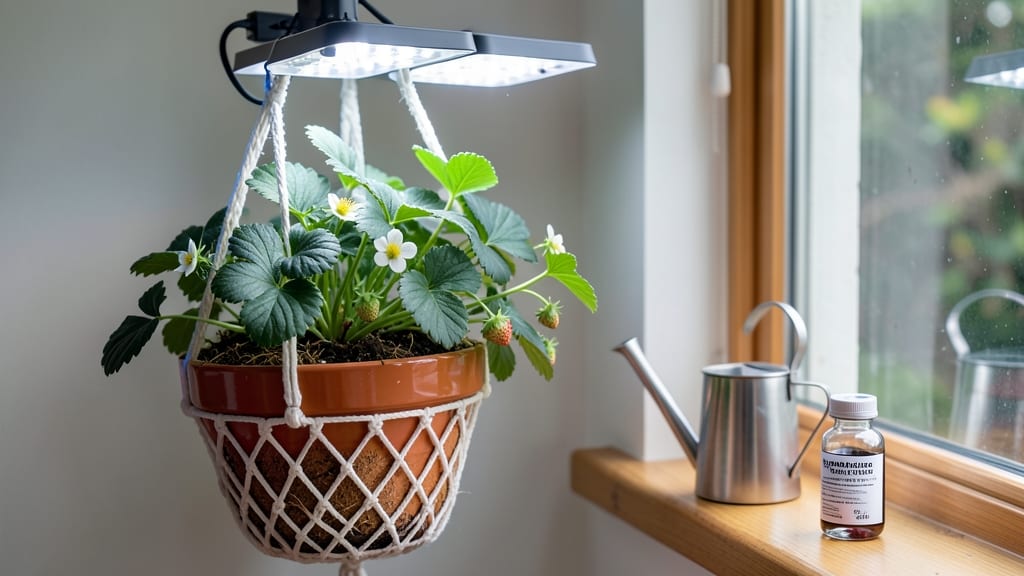
Growing strawberries indoors means sweet, ripe berries year-round—no garden required. 🌱 I learned the hard way that not all varieties thrive in pots, but the right setup delivers juicy fruit even in a tiny kitchen window.
The secret lies in matching plants to your light, containers to their roots, and a little extra care for pollination. Start with everbearing or alpine varieties—they handle indoor conditions best.
A 5-gallon container with drainage holes gives roots enough room, while a south-facing window (or grow light) ensures 6+ hours of sunlight daily. The soil should stay moist but never soggy; a moisture meter helps avoid overwatering, which causes root rot.
By month 3, you’ll see flowers and tiny green berries forming. Hand-pollinate with a soft brush to boost fruit set, and watch as those berries swell to perfectly sweet harvests.
The first batch might be small, but with proper care, your plant will reward you with pints of berries for years. This method works for apartments, offices, or sunrooms—just adjust light and humidity as needed.
Patience is key; indoor strawberries take longer to mature than garden-grown ones, but the flavor makes it worth the wait. Ready to try?
📚 In This Guide
- What you need
- Instructions
- Tips and common mistakes
- Wrapping up and next steps
What you need
- ● Strawberry plants: 3–5 June-bearing or everbearing varieties (e.g., 'Albion,' 'Seascape,' or 'Ozark Beauty'). Opt for bare-root plants (cheaper, easier to transport) or container-grown (ready to plant).
- ● Containers: 1–2 hanging baskets (12–18" diameter, with drainage holes) or
- ● 1–2 deep pots (6–10" deep, 10–12" wide) with drainage holes.
- ● Growing medium: 2–3 bags of well-draining potting mix (avoid garden soil—it compacts!). Mix in perlite or vermiculite (1 part to 4 parts soil) for aeration.
- ● Fertilizer: Balanced liquid fertilizer (10-10-10 or 20-20-20, diluted to half-strength).
- ○ Slow-release granules (optional, like Osmocote, for convenience).
- ● Drainage: Pebbles or broken pottery (1–2 inches) at the bottom of containers.
- ● Watering can or spray bottle (with a gentle misting nozzle).
- ● Pruning shears (for trimming runners and dead leaves).
- ● Grow lights: LED full-spectrum bulbs (12–16 hours/day) if natural light is <12 hours/day.
- ● Thermometer/hygrometer to monitor temperature (ideal: 60–75°F).
- ● Straw mulch (to retain moisture and protect berries).
- ● Support stakes or trellis (for trailing varieties like 'Seascape').
- ● Plant labels (to track varieties and planting dates).
Step-by-step instructions for growing strawberries indoors
Here’s how to grow sweet, homegrown strawberries in your kitchen—no yard required.
🪴 Step 1: Choose Containers and Prepare the Growing Medium
Strawberries need well-draining soil and room to spread, so pick containers at least 6 inches deep with drainage holes. I like using 8-inch pots or hanging baskets for each plant—this mimics their natural trailing habit. Fill the bottom with 1-2 inches of perlite or gravel to prevent root rot from soggy soil.
Use a lightweight, airy potting mix (never garden soil—it compacts and suffocates roots). Mix in a handful of compost for nutrients, but keep it loose so water drains freely. Fill the container to within 1 inch of the rim, leaving space for the plant’s crown to sit just above the soil line. This prevents rot when watering.
🌱 Step 2: Plant Strawberry Runners or Bare-Root Plants
Strawberries grow from either bare-root plants (dormant crowns) or runners (baby plants with roots). If using runners, separate them gently from the mother plant and trim the roots to 3-4 inches to encourage new growth. Plant each runner so the crown sits ½ inch above the soil—burying it too deep causes rot.
For bare-root plants, soak the crown in lukewarm water for 10 minutes to rehydrate the roots before planting. Space plants 8-12 inches apart if using larger containers, or cluster 2-3 in a 12-inch pot. Water lightly after planting to settle the soil around the roots, but avoid soaking the crown.
☀️ Step 3: Position for Maximum Light and Control Temperature
Strawberries crave 6-8 hours of direct sunlight daily, so place your containers on a south-facing windowsill or under a grow light if natural light is weak. Rotate the pots a quarter turn weekly so plants grow evenly—you’ll notice them leaning toward the light if they’re not getting enough.
Keep temperatures between 60-75°F during the day and avoid drafts (like cold windows at night). If your home runs cooler, a seedling heat mat under the pots can boost root growth. Watch for yellowing leaves—this usually means too little light or cold stress. Move closer to the window or add a grow light immediately.
💧 Step 4: Water and Fertilize for Consistent Fruit Production
Water when the top inch of soil feels dry, but avoid soggy soil—strawberries rot easily. I water at the base in the morning to let excess moisture evaporate during the day. Use room-temperature water to prevent shocking the roots, and add a mulch of straw or shredded leaves to retain moisture and keep soil cool.
Fertilize every 4-6 weeks with a balanced liquid fertilizer (like 10-10-10) diluted to half strength. Too much fertilizer leads to leafy growth but few berries—strawberries need a balance. Stop fertilizing once flowers appear to encourage fruiting. Pinch off the first few flowers if your plants are small, so they focus energy on establishing roots first.
✂️ Step 5: Prune and Harvest for Ongoing Production
Remove any weeds or runners that form—these drain energy from fruit production. Trim back old leaves after harvest to improve airflow and reduce disease risk. When berries ripen (usually 4-6 weeks after flowering), pick them as soon as they turn fully red. Gently twist them off the stem to avoid damaging the plant.
Here’s the thing—indoor strawberries may not produce as heavily as outdoor ones, but they’re sweeter and ready whenever you want them. If your plants slow down after the first harvest, give them a month-long break from fruiting to recharge. With care, you’ll get 2-3 harvests per year from the same plants.
Tips & tricks for perfect indoor strawberry growth
Growing strawberries indoors rewards patience—here's how to maximize your sunlit window harvest.
Container Strategy: The 6-inch depth requirement is non-negotiable, but don't stop there. Add a second, shallower pot underneath your main container to catch excess water drainage. This prevents saucers from becoming breeding grounds for fungus gnats while recycling water for your plants. For hanging baskets, use ones with sturdy, adjustable hooks so you can move them closer to the light as your plants grow taller.
Lighting Upgrade: That 6-8 hours of direct sunlight is critical, but most windows don't deliver consistent light. Supplement with a simple LED grow light on a timer for 12 hours daily. Position it 6-12 inches above your plants—closer for cooler climates, farther for warmer ones. I've seen dramatic improvements in berry production when using a 10,000K daylight bulb, which mimics natural sunlight better than standard bulbs.
Temperature Watch: Maintaining 60-75°F during daylight hours is easier said than done in many homes. Place a small thermometer near your plants to monitor conditions. If your kitchen runs cooler, especially at night, use a seedling heat mat (set to 70°F) under the pots. The extra warmth encourages root development during the critical first 4-6 weeks after planting, which directly translates to more robust plants and better fruit production.
Watering Wisdom: The top inch dry test works, but here's the real secret: water only when the soil feels dry to the touch about 1-2 inches down, not just at the surface. Strawberries are drought-tolerant but hate soggy conditions. I use a moisture meter for my indoor plants—it's a small investment that prevents overwatering. And always water at the base, never from above, to prevent fungal diseases that thrive in damp foliage.
Pro Tips for Growing Strawberries Indoors
- Growing strawberries indoors rewards patience—here's how to maximize your sunlit window harvest.
- Container Strategy: The 6-inch depth requirement is non-negotiable, but don't stop there.
- Lighting Upgrade: That 6-8 hours of direct sunlight is critical, but most windows don't deliver consistent light.
Frequently asked questions
about growing strawberries indoors—let’s clear up the curiosities before you dive in!Can I grow strawberries indoors year-round?
Yes! With the right setup—like a sunny windowsill, grow lights, and proper care—you can enjoy fresh strawberries indoors anytime. Just ensure they get 6–8 hours of light daily and maintain temperatures between 60–75°F.
How long does it take for indoor strawberries to fruit?
Indoor strawberries typically take 4–6 months from planting to fruiting, depending on the variety. Ever-bearing types (like Alpine or Seascape) often produce faster than June-bearing ones. Patience pays off—think of it as a slow-burning reward!
What if my strawberries aren’t fruiting?
Check these common issues:
- Light: Move them closer to a sunny window or add grow lights.
- Pollination: Gently shake plants or use a small brush to transfer pollen.
- Cold stress: Keep temps above 50°F—drafts or AC can stunt growth.
Are dwarf or container varieties better for indoors?
Dwarf varieties like Alpine or Mignonette thrive in small pots (6+ inches deep) and produce abundant fruit. Avoid large June-bearing types—they need more space and light. Pro tip: Hang baskets to save space and improve airflow!
What’s the biggest mistake beginners make?
Overwatering! Strawberries hate soggy roots. Let the top inch of soil dry out between waterings, and always use pots with drainage holes. Yellow leaves? You’re likely overdoing it. (Underwatering can be just as bad—keep soil consistently moist but not drenched.)
Wrapping up and next steps
Growing strawberries indoors is a rewarding way to enjoy fresh, homegrown fruit year-round—no backyard required! 🌱 With the right setup, patience, and care, you’ll soon be savoring sweet, juicy berries straight from your windowsill. Start small, experiment with varieties, and don’t hesitate to troubleshoot along the way.
Ready to take the next step? Pick your favorite strawberry variety and gather your supplies—then dive in! Whether you’re a beginner or a seasoned plant parent, every harvest will feel like a little victory. Happy growing! 🍓✨