
Container Gardens
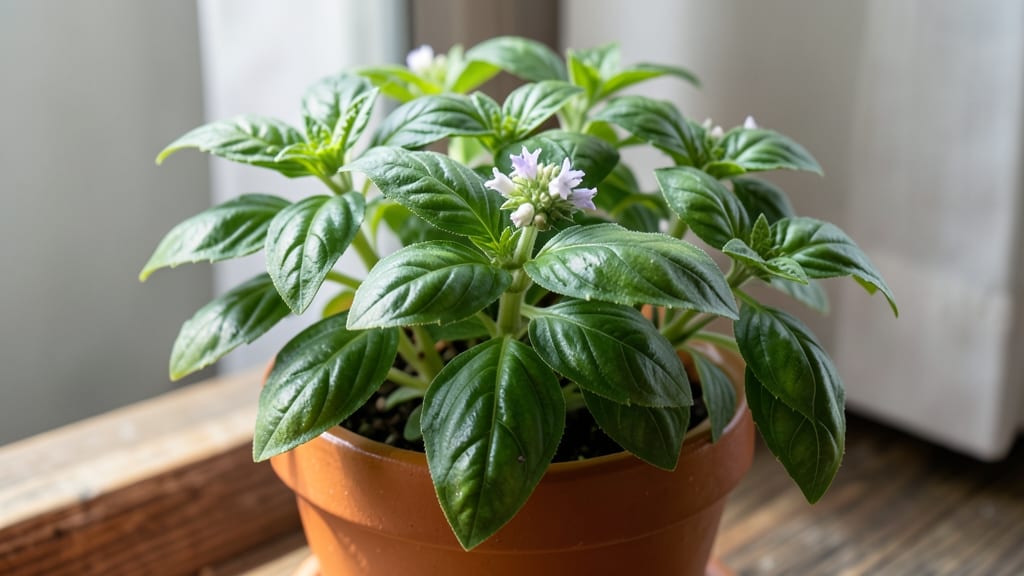
Growing basil at home indoors means fresh, fragrant leaves year-round—no matter how little sunlight your space gets. 🌱 I’ve turned my dim kitchen window into a basil powerhouse using just a few simple tricks, and you can too.
The secret isn’t fancy equipment; it’s understanding what basil really needs to thrive indoors, even when natural light is scarce.
You’ll need a container with drainage, a well-draining potting mix, and a way to supplement light—whether that’s a sunny windowsill or a basic grow light.
Basil hates soggy roots, so water only when the top inch of soil feels dry, and pinch off flowers to keep energy focused on those lush, flavorful leaves. Most beginners overwater or underlight, but with these adjustments, your plants will stay vibrant for months.
By week four, you’ll be snipping fresh basil for cooking whenever you want—no more wilted store-bought bunches. The plants grow bushier, the aroma fills your home, and you’ll actually use the harvest instead of letting it go to seed. Even my black thumb can’t kill these with the right care.
This works for apartments, offices, or even a sunny bathroom shelf. The only limit is your imagination (or how much pesto you can eat). Let’s get those seeds or cuttings growing!
📚 In This Guide
- What you need
- Instructions
- Tips and common mistakes
- Wrapping up and next steps
What you need
- ● Basil seeds or seedlings: Choose sweet basil, Genovese, or Thai basil. Start with 3–5 seeds or 1–2 healthy seedlings per pot.
- ● Container: A 6–12-inch diameter pot with drainage holes (plastic, ceramic, or fabric grow bags work). For multiple plants, use a 12–16-inch tray with 3–4 inches between seedlings.
- ● Potting mix: A well-draining, sterile mix (e.g., 60% potting soil + 40% perlite, coco coir, or vermiculite). Avoid garden soil—it compacts and holds too much moisture.
- ○ Grow lights (optional but recommended): LED full-spectrum grow lights (12–16 inches above plants, 12–16 hours/day). Brands like Spectrum or Mars Hydro are great.
- ● OR a sunny windowsill (south- or west-facing, with 6+ hours of direct light daily).
- ● Watering can or spray bottle: A gentle misting spray or can with a narrow spout to avoid disturbing soil.
- ● Fertilizer: Balanced liquid fertilizer (e.g., 10-10-10 or fish emulsion) diluted to half-strength every 4–6 weeks.
- ● OR slow-release granules mixed into soil at planting.
- ● Humidity tray: A shallow tray with pebbles and water to boost moisture (especially in dry climates).
- ● Pruning shears or scissors: For harvesting and pinching back stems (clean with rubbing alcohol!).
- ● pH test kit: Basil thrives in 6.0–7.0 pH. Adjust with lime (to raise) or sulfur (to lower) if needed.
- ● Support stake: A small bamboo or wooden stake (6–12 inches tall) if growing tall varieties like Genovese.
- ● Food-safe spray bottle: For neem oil or insecticidal soap (if pests appear).
Step-by-Step instructions for growing basil at home indoors
Here's how I grow basil indoors—no fancy equipment, just the right light and care.
🌱 Step 1: Choose the Right Containers and Soil
Start with a pot at least 6 inches deep and wide enough to hold 4 plants (since basil grows bushy). I use terracotta pots because they breathe and prevent root rot. Fill it with a mix of potting soil and perlite (half-and-half) for drainage. Basil hates soggy roots, so this combo keeps things airy.
Moisten the mix until it’s damp but not dripping—like a wrung-out sponge. Press it down gently so the surface is firm but not packed. Basil roots need room to spread, so avoid dense, heavy soil. If you’re using store-bought potting mix, skip the perlite unless it’s labeled "well-draining."
☀️ Step 2: Plant Seeds or Transplants Under Grow Lights
If starting from seed, plant them ¼ inch deep and 1 inch apart in the pot. Cover lightly with soil and mist gently with water. Basil seeds germinate best in 70-75°F soil, so place the pot on a seedling heat mat if your home runs cooler. You’ll see sprouts in 7-14 days—don’t give up if it takes longer.
For faster results, buy young plants from a nursery. Transplant them into your pot, burying the stem up to the first set of leaves. This encourages stronger root growth. Place the pot under a grow light immediately—basil needs 12-16 hours of light daily. If using a window, south-facing gets the most sun, but it’s rarely enough for full growth.
💧 Step 3: Water and Feed for Healthy Growth
Water when the top inch of soil feels dry. Stick your finger in—if it’s damp, wait another day. Basil wilts easily, so consistency is key. Water at the base to avoid wetting leaves, which can cause fungal issues. I use room-temperature water to prevent shocking the roots.
Feed every 2-3 weeks with a balanced liquid fertilizer (like 10-10-10). Dilute it to half-strength—basil is sensitive to salt buildup. You’ll notice new leaves forming within a week of fertilizing. Pinch off any flowers that appear; they drain energy from the plant and make the leaves bitter.
✂️ Step 4: Prune and Harvest Regularly
When your basil reaches 6 inches tall, pinch off the top set of leaves. This tricks the plant into bushier growth instead of tall, leggy stems. Harvest leaves from the top down to encourage new growth. Always use clean scissors or fingers—never tear leaves, as it damages the plant.
Harvest in the morning when oils are at their peak. If you see yellowing leaves, it’s usually overwatering or poor drainage. Trim them off immediately. Basil grows fast, so you’ll have fresh leaves in 4-6 weeks if you keep up with pruning. Store harvested leaves in the fridge for up to a week or dry them for later use.
🪴 Step 5: Rotate and Repot as Needed
Rotate the pot a quarter turn weekly so the plant grows straight toward the light. Basil leans toward the sun, and uneven growth makes it look scraggly. If your plant outgrows its pot (after 3-4 months), move it to a 12-inch container with fresh soil.
Watch for pests like aphids or spider mites—wipe them off with soapy water if you spot them. Basil is generally pest-resistant, but indoor conditions can attract trouble. Keep your workspace clean to prevent issues. With the right care, your basil will thrive indoors and give you harvests all year long.
Tips & tricks for growing basil indoors
These simple tricks will help you grow basil that tastes fresher than anything from the grocery store—even without a sunny window.
Soil Mix Matters: The half-and-half mix of potting soil and perlite in Step 1 is non-negotiable for basil. If you're using store-bought mix, look for one labeled "well-draining" and skip the perlite—basil roots need that air flow to prevent rot. I've tried heavier mixes, and they always led to yellowing leaves within weeks. For extra drainage, add a layer of small pebbles at the bottom of your pot before adding soil.
Light is Everything: That 12-16 hours of light daily in Step 2 isn't just a suggestion—it's critical. If you're using a grow light, keep it 6-12 inches above the plants and replace bulbs every 6 months as their intensity fades. For window light, rotate your pot weekly to prevent lopsided growth. I learned this the hard way when my basil leaned dramatically toward the window, looking like a drunk toddler trying to stand up.
Watering Wisdom: The top-inch soil check in Step 3 is your best friend. Basil wilts faster than you'd think, but overwatering is just as deadly. I use a spray bottle to mist the soil lightly when it's dry—this keeps the surface moist without drowning the roots. And always water at the base to avoid fungal issues on those delicate leaves.
Pruning Payoff: That 6-inch height in Step 4 isn't just about timing—it's about technique. When you pinch those top leaves, you're not just shaping the plant; you're encouraging bushier growth. Use clean scissors or your fingers to avoid tearing the stems. I harvest in the morning because that's when the essential oils are at their peak flavor—trust me, your pesto will taste noticeably better.
Pro Tips for Growing Basil At Home Indoors
- These simple tricks will help you grow basil that tastes fresher than anything from the grocery store—even without a sunny window.
- Soil Mix Matters: The half-and-half mix of potting soil and perlite in Step 1 is non-negotiable for basil.
- Light is Everything: That 12-16 hours of light daily in Step 2 isn't just a suggestion—it's critical.
Frequently asked questions
Got questions about growing basil indoors? You’re not alone—here are answers to the most common ones! Whether you're a beginner or just troubleshooting, these tips will help you keep your basil thriving.
How much light does indoor basil really need?
Basil needs 6–8 hours of bright, indirect light daily. If your space lacks natural light, use a grow light (LED or fluorescent) 12–16 inches above the plants for 12–14 hours/day. South-facing windows are ideal, but east or west works too—just rotate pots weekly for even growth!
How long does it take for basil to grow indoors?
From seed, expect 6–8 weeks to harvest. If you start with seedlings, you’ll see leaves in 3–4 weeks. Patience is key—harvesting too early stunts growth. Pinch off flowers to encourage leaf production and extend the harvest season!
Why are my basil leaves turning yellow?
Yellow leaves usually mean overwatering or poor drainage. Let the top inch of soil dry out between waterings, and ensure pots have drainage holes. Brown edges? It’s often underwatering or low humidity. Mist leaves or place a tray of water nearby to boost moisture.
Can I grow basil from store-bought stems?
Place a 4–6 inch stem in water, changing it every 2–3 days. Once roots form (in 1–2 weeks), transplant to soil. For best results, use potting mix and keep it in bright light. Pro tip: Snip leaves from the top to encourage bushier growth!
What’s the best way to harvest basil indoors?
Harvest regularly to promote new growth—snip leaves from the top or sides, leaving at least 2–3 inches of stem. Avoid cutting into the woody base. For pesto or cooking, bundle stems and freeze with a bit of water in an ice cube tray for easy access later!
Wrapping up and next steps
Growing basil indoors is simpler—and more rewarding—than you might think! With just a few basics like the right container, proper lighting, and consistent care, you’ll enjoy fresh, fragrant leaves year-round. Whether you’re a beginner or a seasoned plant parent, your home garden is just a few steps away.
Ready to take the next step? Start small—pick a sunny windowsill or set up a grow light—and watch your basil thrive! 🌱 Then, share your progress or experiment with recipes to make the most of your homegrown harvest.