
Container Gardens
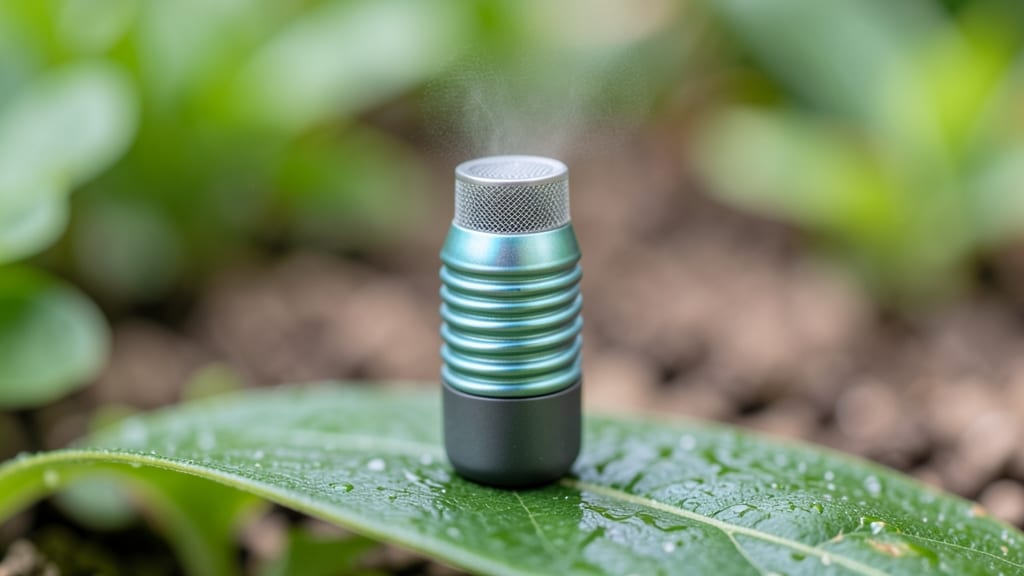
That gnat repellent indoors is a game-changer—especially when those tiny flying pests are swarming your indoor plants. 🌱 I’ve battled gnats for years, and this citrus-basil spray doesn’t just mask the problem—it stops them in their tracks within minutes.
The secret? A potent blend of citrus oils (gnats hate the scent) and fresh basil (which they avoid like the plague). No harsh chemicals, just a natural spray that keeps your plants—and your peace of mind—safe.
The best part? It’s foolproof and works in any room, from sunrooms to kitchens. You’ll need just three ingredients (citrus peels, fresh basil, and water) and 10 minutes to mix it up. No fancy equipment—just a blender and a spray bottle.
I’ve used this spray on ferns, herbs, and even my peace lilies, and the gnats never come back. The smell? Refreshing, not overpowering, and it lingers just enough to keep those pests away.
By the end of this, you’ll have a ready-to-use spray that doubles as a gentle plant tonic. The citrus oils deter gnats on contact, while basil’s natural compounds disrupt their life cycle.
Plus, it’s 100% safe for your plants—no burning, no residue, just results. Once you’ve tried it, you’ll wonder why you ever tolerated those annoying buzzing swarms.
Works for all indoor plants, whether you’re dealing with a sudden infestation or just want preventive care. Here’s how to make it—and why it’s the only gnat spray you’ll ever need.
Why Gnats Invade Your Home
If you’ve ever swatted at a tiny, buzzing pest only to realize it’s a gnat—and then watched them swarm your kitchen or houseplants—you’re not alone. These minuscule insects don’t just appear out of nowhere; they’re drawn indoors by specific triggers.
Understanding why they show up is the first step to keeping them away for good. Here’s a breakdown of the most common causes, backed by science, so you can take action.
Gnats, especially fungus gnats, are attracted to moist, decaying organic matter—think damp soil, rotting leaves, or even overwatered potted plants. Here’s why:
- Moisture = Food: Fungus gnats lay eggs in moist soil, where their larvae feed on fungi and organic debris. If your plants are sitting in saucers of stagnant water or you’ve been overwatering, you’re essentially creating a gnat nursery. 🌱💦
- Root Rot Attraction: Overwatering leads to root rot, which emits a scent that signals to gnats, “Free meal here!” The larvae thrive in this environment until the soil dries out.
- Slow-Draining Soil: Potting mixes that retain too much water (like peat-heavy soils) are gnat magnets. If water pools at the bottom of the pot, gnats will take notice.
Actionable Fix: Let the top inch of soil dry out between waterings, use pots with drainage holes, and consider a well-draining mix like cactus soil for susceptible plants.
Gnats aren’t picky eaters—they’ll feast on anything fermenting, rotting, or sugary. Drosophila (fruit flies, a type of gnat) and vinegar flies are especially drawn to:
- Overripe or Cut Fruit: Bananas, apples, and citrus left on counters emit ethanol and organic acids as they ripen or spoil. Gnats detect these scents from miles away (well, at least across the room). 🍌➡️🪰
- Trash and Compost Bins: Organic waste in open bins releases gases like acetic acid (the same compound in vinegar), which signals to gnats that food is available. Even a small piece of forgotten pizza crust can become a gnat hotspot.
- Dishwater and Grease Traps: Stagnant water in sinks or greasy food residue in drains creates a breeding ground. The bacteria that grow in these areas produce odors gnats can’t resist.
Actionable Fix: Store fruit in the fridge, take out trash daily, and clean drains with baking soda and vinegar weekly to disrupt their food sources.
Gnats are tiny but mighty fliers. They don’t need much of an opening to sneak indoors—even a 1/8-inch gap is enough for them to waltz in. Here’s how they exploit your home’s entry points:
- Screen Tears or Gaps: A ripped screen or loose-fitting window can turn your home into a gnat buffet. They’re drawn to light (especially warm yellow or white bulbs) and will fly straight through any weak spot. 🪟💨
- Door Sweeps and Foundation Cracks: Gnats can slip under doors, especially if there’s no seal, or crawl through tiny cracks in walls or foundations. Once inside, they’ll reproduce rapidly in warm, humid areas like bathrooms or kitchens.
- Ventilation Systems: If your HVAC or bathroom fans aren’t properly screened, gnats can hitch a ride inside and spread throughout your home.
Actionable Fix: Patch screen tears, install door sweeps, and seal cracks with caulk. For extra protection, use fine-mesh screens on vents and consider fly traps near entry points.
Gnats thrive in humid environments because moisture helps their eggs hatch and larvae survive. If your home feels damp, you’re creating the perfect conditions for an infestation:
- Bathroom Steam: Showers and baths release moisture into the air, which can linger if ventilation is poor. Gnats will seek out these humid pockets to lay eggs on damp towels, soap, or even shower curtains. 🚿☁️
- Basements and Crawl Spaces: These areas often have poor airflow and high moisture levels, making them ideal breeding grounds. Gnats can then migrate upward into living spaces.
- Dishwashing and Laundry Areas: Leaving wet dishes in the sink or damp clothes in the hamper creates localized humidity that gnats exploit.
Actionable Fix: Use exhaust fans, dehumidifiers, or open windows to reduce moisture. Wipe down wet surfaces promptly and store damp items in sealed containers.
Now that you know why gnats invade, the next step is to tackle them head-on with natural repellents like citrus and basil sprays. Stay tuned for our DIY solutions that work instantly! 🍋✨
Simple Fixes for Indoor Gnat Problems
If you’ve spotted tiny, buzzing gnats swarming near your houseplants or kitchen counter, don’t panic—there are effective, natural ways to banish them for good. Below, we’ve mapped out practical solutions based on the most common causes of indoor gnat infestations, along with prevention tips to keep them from returning.
Gnats love damp, nutrient-rich soil where their larvae thrive. If your plants are drowning in water, you’ve created the perfect breeding ground.
How to Fix It
✅ Drain Excess Water – Let soil dry out between waterings. Stick your finger 1 inch deep—if it’s soggy, wait a few days before watering again.
✅ Repot in Fresh Soil – Remove the top 2 inches of soil (where larvae hide) and replace it with sterile potting mix. This disrupts their life cycle.
✅ Add a Thin Layer of Sand or Gravel – Sprinkle coarse sand or small pebbles on top of the soil to create a dry barrier gnats can’t penetrate.
💡 Pro Tip: Use a spray bottle with neem oil (1 tsp per cup of water) to drench the soil. Neem is toxic to gnat larvae but safe for plants.
Gnats are drawn to rotting fruit, fermenting liquids, and organic waste—common in kitchens and compost bins.
How to Fix It
✅ Seal Food Properly – Store fruits, veggies, and grains in airtight containers (glass or plastic). Check for soft spots or mold—these are gnat magnets.
✅ Clean Up Spills Immediately – Wipe down counters, sinks, and floors after meals. Sugary or sticky residues attract gnats like a beacon.
✅ Freeze or Compost Scraps Correctly – If composting, bury food waste deep in the bin and cover with dry leaves to deter gnats. For small scraps, freeze them until trash day.
💡 Pro Tip: Place a small bowl of apple cider vinegar + dish soap near the problem area. Gnats will fly in, get trapped, and drown—no chemicals needed!
Gnats thrive in high-moisture environments, like bathrooms, kitchens, and basements.
How to Fix It
✅ Reduce Humidity – Use a dehumidifier or fan in damp areas. Aim for 40-50% humidity—gnats hate dry air.
✅ Fix Leaks & Dry Damp Spots – Check under sinks, around pipes, and in showers for water leaks or condensation. Dry up excess moisture with a towel.
✅ Ventilate Better – Open windows when possible or use exhaust fans in kitchens and bathrooms to circulate air.
💡 Pro Tip: Place silica gel packets (the ones that come in shoe boxes) near plants or in cabinets to absorb excess moisture.
Once you’ve eliminated the problem, stop them from coming back with these long-term strategies:
- 🌱 Rotate Houseplants – Move plants away from walls (gnats hide in cracks) and rotate them weekly for even drying. - 🍋 Use Citrus-Basil Spray Weekly – Our DIY repellent (lemon + basil spray) confuses gnats and deters new ones.
Spray every 3-4 days as a preventative. - 🕷️ Introduce Natural Predators – Ladybugs and dragonfly larvae eat gnat eggs and larvae.
Buy them online or attract them with native plants. - 🧼 Deep-Clean Monthly – Vacuum under furniture, behind appliances, and in plant saucers to remove gnat eggs and larvae.
Final Thought: Gnats don’t stand a chance when you cut off their food, water, and breeding grounds. Start with one fix (like drying out soil or sealing food), then layer in prevention—you’ll see results in days, not weeks! 🚀
Frequently asked questions
How often should I reapply the citrus-basil spray?
For best results, spray your plants and problem areas every 3-4 days. The scent dissipates over time, so frequent applications maintain the repellent effect. If you notice gnats returning, increase to daily sprays until the infestation clears. Store the spray in a cool, dark place to preserve its potency.
Will this spray work on fruit flies too?
The citrus-basil blend is effective against both fungus gnats and fruit flies. Fruit flies are particularly repelled by the citrus oils, while basil disrupts their ability to locate food sources. Use the same spray recipe—just apply it near fruit bowls or trash bins where flies congregate.
Can I use this spray on all my plants?
Yes, but test a small area first on delicate plants like ferns or orchids. The spray is non-toxic and safe for most houseplants, but citrus oils can be too strong for succulents or cacti. For sensitive plants, dilute the spray with 20% more water or apply it only to the soil surface.
Why do gnats keep coming back even after using the spray?
Persistent gnats usually mean you’re missing one of three key fixes:
- Moisture control (damp soil or leaks),
- Food sources (rotting fruit or trash), or
- Entry points (gaps in screens). Combine the spray with these fixes: dry soil, seal food, and patch screens. Gnats need all three to thrive—remove one, and they’ll leave.
How long does it take to see results?
You’ll notice fewer gnats within 24-48 hours of first application, but complete eradication takes 5-7 days as it disrupts their life cycle. For severe infestations, combine the spray with vinegar traps (apple cider vinegar + dish soap) to catch adults while the spray targets larvae. Patience is key—consistency works better than one-time sprays.