
Pruning
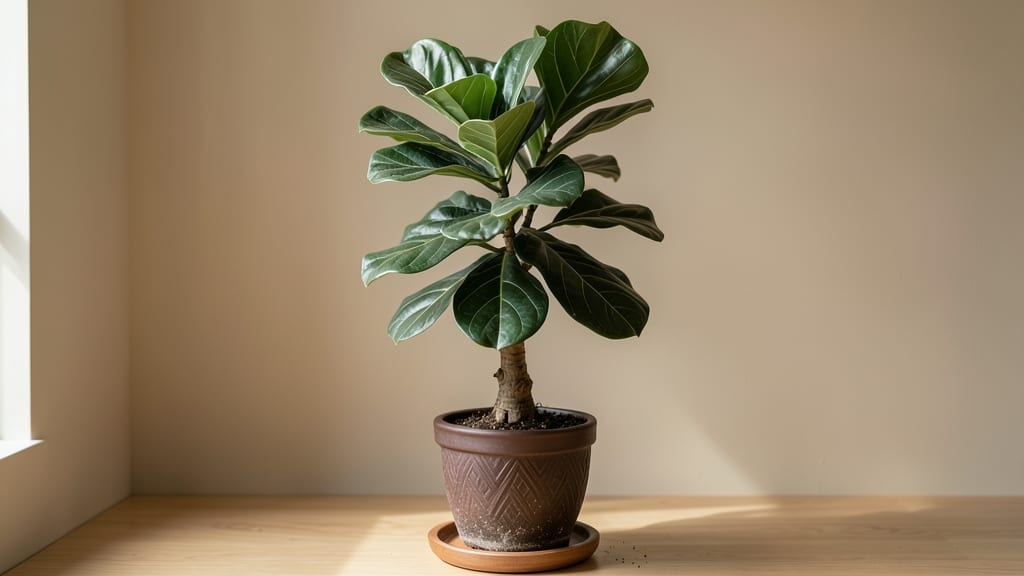
Your ficus tree can thrive indoors all year with just three simple trims—no green thumb required. 🌿 I’ve kept mine lush for years by focusing on light, water, and strategic pruning, even in my dim apartment.
The key isn’t complicated: match its habits to your space, and it’ll reward you with glossy leaves and steady growth.
Most ficus struggles come from overwatering or neglecting light, but I’ve found the right balance keeps them trouble-free. A south-facing window or grow light solves the light issue, while sticking your finger in the soil tells you exactly when to water.
And those "simple trims"? They’re not about shaping—just removing dead leaves and encouraging new growth where you want it.
By summer, your ficus will look fuller than ever, with fresh green leaves popping up where you pruned. The best part? You’ll avoid the common pitfalls—like yellowing leaves or leggy growth—that trip up new plant parents. It’s foolproof once you get the rhythm down.
Works for any ficus variety—Banyan, rubber plant, or weeping fig—and adapts to offices, bedrooms, or living rooms. Let’s get those branches looking intentional!
📚 In This Guide
- What you need
- Instructions
- Tips and common mistakes
- Wrapping up and next steps
What you need
- ● Pruning shears: Sharp, bypass-style shears (avoid anvil shears—they crush stems). Recommended: Felco F2 or similar (invest ~$20–$40 for quality).
- ● Cleaning supplies: 70% isopropyl alcohol or rubbing alcohol (for sterilizing tools).
- ● Paper towels or disinfectant wipes.
- ○ Pruning sealant (optional but helpful): Pruning wax (e.g., Tanglefoot Tree Wound Pruning Seal) to prevent sap oozing. ~$10–$15.
- ● Disposable gloves: Nitrile or latex-free (to avoid sap irritation).
- ● Newspaper or drop cloth: Spread beneath the tree to catch debris (1–2 sheets or a 3’x5’ cloth).
- ● Timing: Prune in spring or early summer (avoid winter—ficus trees are dormant!).
- ● Light check: Ensure your ficus is in a spot with bright, indirect light (e.g., near an east or north-facing window).
- ● Watering pause: Water the tree 24 hours before pruning (soil should be slightly moist, not soggy).
- ● Safety first: Move the tree to a stable, flat surface (e.g., table or floor) with enough space to maneuver.
- ● Larger pruning saw: For thick stems (>1 inch diameter). Example: Fiskars X7 (~$25).
- ● Horticultural oil: For deep-cleaning tools between uses (e.g., Bonide Horticultural Oil).
- ● Small spray bottle: With water to mist cuttings before rooting (if propagating).
- ● Grow lights: LED full-spectrum lights (e.g., Spruce 1200W) for post-prune recovery if natural light is limited.
How to keep your ficus tree thriving indoors with minimal effort
Here's the simple routine I've used for years to keep my ficus lush and healthy with just three easy trims.
🌱 Step 1: Choose the Right Spot for Consistent Growth
Ficus trees love bright, indirect light—think of a window that gets morning sun but no harsh afternoon rays. A north or east-facing window works best, but if you only have south or west exposure, place the tree 3-5 feet back from the glass to prevent leaf scorch. You'll know the light is right when new leaves emerge bright green and compact rather than pale and stretched.
Rotate the pot a quarter turn every month so the tree grows evenly. I mark the pot's position with a pencil dot on the windowsill so I remember which way it faces. Avoid drafty spots near doors or vents—ficus trees hate sudden temperature swings. Keep the room between 65-75°F, and you'll see steady growth without stress.
☀️ Step 2: Water Deeply When the Topsoil Dries
Stick your finger 1-2 inches into the soil—if it feels dry, it's time to water. Ficus trees prefer to dry out slightly between waterings, so I wait until the top inch is completely dry before giving the tree a thorough soak. Water until liquid runs out the drainage hole, then empty the saucer to prevent root rot. Overwatering is the #1 killer of indoor ficus trees, so don't skip this step.
Use room-temperature water to avoid shocking the roots. I fill a watering can the night before so it reaches room temp naturally. In winter, you'll water about every 7-10 days, while summer may require weekly watering. Watch for wilting leaves—this is your signal to water immediately, but don't overcompensate by drowning the roots.
✂️ Step 3: Trim for Shape and Health Three Times a Year
First trim in early spring to encourage new growth. Cut just above a leaf node (the bump where a leaf meets the stem) using clean, sharp pruning shears. I like to shape the tree by removing any leggy growth or crossing branches. This ensures a fuller, bushier appearance and prevents the tree from becoming top-heavy. You'll see fresh, vibrant leaves sprouting within 4-6 weeks of trimming.
Summer trim focuses on removing any yellow or brown leaves—these are signs of stress or disease. Cut these off at the base to redirect the tree's energy to healthy growth. In late fall, give the tree a light trim to remove any dead wood or overly long branches. Always sterilize your shears with rubbing alcohol between cuts to prevent spreading any potential infections.
🌿 Step 4: Dust Leaves and Fertilize Lightly
Dust builds up on ficus leaves and blocks sunlight, so I wipe them down every 2-3 months with a damp microfiber cloth. This keeps the leaves vibrant and helps the tree photosynthesize efficiently. I avoid harsh chemicals—just use water and a little mild dish soap if needed. You'll notice a difference in leaf color and shine within a few days of cleaning.
Fertilize lightly during the growing season (spring and summer) with a balanced, water-soluble fertilizer diluted to half strength. I feed my ficus every 4-6 weeks during this time, but stop fertilizing in fall and winter when the tree goes dormant. Over-fertilizing leads to salt buildup in the soil, which can burn the roots—so always follow the package instructions carefully.
Tips & tricks for perfect ficus tree indoor care
Between us, these small adjustments make all the difference in keeping your ficus thriving with minimal fuss.
Lighting Insight: If your north-facing window doesn't provide enough brightness, supplement with a simple grow light for 4-6 hours daily during winter months. I use a basic LED bulb on a timer—just 12 inches away from the leaves—and notice new growth within weeks. The key is mimicking natural daylight cycles, especially when daylight hours shorten.
Watering Wisdom: The finger test in Step 2 works perfectly, but here's a pro move: use a moisture meter for consistency. I've found ficus roots prefer soil moisture between 30-40%—any lower and you're underwatering, any higher risks root rot. For the first 30 minutes after watering, let excess drain completely from the saucer to keep roots healthy.
Pruning Precision: When you're trimming in Step 3, always cut at a 45-degree angle just above a leaf node. This angled cut prevents water from pooling at the cut site, reducing risk of infection. For larger branches, make two cuts: first to remove the bulk, then a final clean cut just above the node. New growth will sprout from that node within those 4-6 weeks mentioned in the instructions.
Seasonal Adjustments: In winter, when indoor air gets dry from heating, mist your ficus leaves lightly once a week. I use a spray bottle with room-temperature water—just enough to dampen the leaves, not soak them. This mimics the humidity levels ficus trees naturally thrive in during their growing season, preventing those crispy leaf edges that signal dry air stress.
Pro Tips for Ficus Tree Indoor
- Between us, these small adjustments make all the difference in keeping your ficus thriving with minimal fuss.
- Lighting Insight: If your north-facing window doesn't provide enough brightness, supplement with a simple grow light for 4-6 hours daily during winter months.
- Watering Wisdom: The finger test in Step 2 works perfectly, but here's a pro move: use a moisture meter for consistency.
Frequently asked questions
Got questions about keeping your ficus tree indoor happy and healthy? You’re not alone! Here are some of the most common concerns—plus quick, actionable answers to keep your leafy friend thriving.
How often should I prune my indoor ficus tree?
Prune your ficus 2-3 times a year to encourage bushier growth and remove dead or yellowing leaves. Focus on shaping in spring or early summer when the tree is actively growing. Light trims (like removing just a few leaves) can be done anytime, but avoid heavy pruning in fall or winter—it stresses the plant.
Can I propagate my ficus from cuttings?
Ficus trees are easy to propagate from stem cuttings. Take a 4-6 inch cutting just below a leaf node, dip it in rooting hormone (optional), and place it in moist potting mix. Keep it warm and humid (like a greenhouse or plastic bag setup) until roots form in 4-8 weeks. Pro tip: Water lightly—overwatering drowns cuttings!
Why are my ficus leaves dropping, even with good care?
Leaf drop is usually a stress signal—common causes include sudden temperature changes, drafts, over/under-watering, or poor lighting. Check your tree’s environment: consistent care (like watering when the top inch of soil is dry) and placing it near a bright, indirect light source (like an east or north-facing window) often fixes the issue.
What’s the best alternative if my ficus is struggling?
If your ficus is fussy or dying, try these low-maintenance indoor trees:
- Snake Plant – Thrives on neglect, great for beginners.
- ZZ Plant – Nearly indestructible, loves low light.
- Rubber Plant – Similar care to ficus but more forgiving.
- Pothos – Fast-growing, trails beautifully, and recovers fast.
How do I revive a ficus with brown, crispy leaves?
Brown, crispy leaves often mean underwatering or root rot. First, check the soil:
Too dry? Water deeply until it drains from the bottom. Move to a shadier spot to reduce evaporation.
Too wet? Let the soil dry out completely, then repot in fresh, well-draining mix. Trim dead roots if rot is severe.
After reviving, adjust your watering schedule—ficus trees prefer slightly dry soil over soggy roots.Wrapping up and next steps
Growing a thriving ficus tree indoors is totally within reach—even for beginners! With just three simple trims and a little consistency, you’ll keep your plant lush, healthy, and full of life year-round. 🌿✨ The key is patience, observation, and a dash of confidence—your green thumb is already growing!
Ready to take the next step? Grab your pruning shears and schedule your first trim—your ficus will thank you with vibrant new growth! For extra inspiration, check out our pruning timeline guide to stay on track.