
Pests
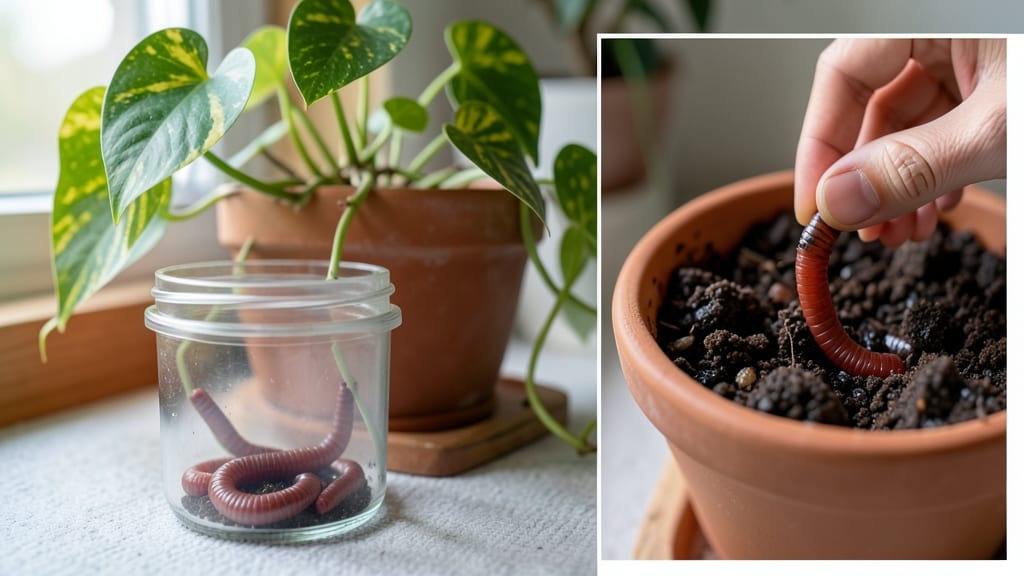
Earthworms in indoor plants might sound alarming, but they’re actually nature’s little helpers. 🌱 I’ve found them tunneling through my snake plant soil, and honestly, they’re doing more good than harm by aerating the roots and breaking down organic matter.
The key is understanding why they’re there—usually, it’s because your soil is too moist or rich in organic material. They thrive in these conditions, which means your plant might be getting exactly what it needs: better drainage and nutrient cycling.
The only time they become a problem is when they’re overpopulating or damaging delicate roots. You can gently relocate them to your outdoor garden bed or compost pile, where they’ll do even more good. Just scoop them up with a damp paper towel and place them in fresh soil.
This keeps your indoor ecosystem balanced without harming your plants. Prevent future visits by checking soil moisture before watering and avoiding over-fertilizing. A well-aerated potting mix with perlite or vermiculite also discourages worm parties. Your plants—and the worms—will thank you!
Unexpected Soil Invaders Explained
Earthworms slithering through your indoor plants might seem like a surprise, but their presence is rarely random. These beneficial creatures don’t just appear—they’re drawn by specific conditions in your soil and environment.
Understanding why they show up helps you manage them effectively, whether you want to encourage them (for soil health) or gently remove them (if they’re unwanted). Let’s break down the key reasons behind their indoor visits.
Earthworms thrive in nutrient-dense environments, and indoor plants often provide just that. If you’re using:
- Compost-heavy potting mixes: Fresh compost is a worm magnet. While it’s great for plant growth, it also signals to earthworms that food is abundant.
- Over-fertilized soil: Excess organic fertilizers (like worm castings or manure) create a feast for worms, especially if the soil stays moist.
- Decaying plant debris: Dead leaves, mulch, or rotting roots in pots act like a buffet, attracting worms to feed and reproduce.
Why it matters: Earthworms break down organic material, but their tunnels can loosen soil structure in pots, risking root exposure or spills. If you notice worms in pots with lush, green growth, your soil is likely overfed.
Earthworms need moisture to survive, but indoor pots can become their perfect wetland—especially if:
- You’re overwatering: Pots without drainage holes trap excess water, creating a soggy haven for worms. They can’t handle drought, so they seek out consistently damp soil.
- Your plants are in humid conditions: Bathrooms, kitchens, or greenhouses with high humidity keep soil moist longer, mimicking earthworms’ natural damp forest floors.
- You use self-watering systems: These can unintentionally create a worm-friendly oasis if not monitored, as they maintain steady moisture levels.
Why it matters: While worms need water, too much can lead to root rot in your plants. If you’re seeing worms in pots that stay damp for days, it’s a sign your watering routine needs adjustment.
Earthworms don’t usually “choose” to live indoors—they’re often hitchhikers. Here’s how they sneak in:
- Potted plants from nurseries or gardens: Many commercial potting mixes or garden soil contain worm eggs or adults. Even a small handful of outdoor soil can introduce them.
- Compost or mulch additions: Store-bought compost bags or garden centers sometimes harbor worms. If you’ve recently amended your soil, they might have hitched a ride.
- Outdoor soil contact: If your indoor plants are near a balcony, patio, or even a cracked foundation, worms can crawl in from outdoor soil.
Why it matters: Unlike pests like fungus gnats, earthworms don’t reproduce quickly indoors. Their presence is usually temporary unless conditions (like moisture and food) stay ideal.
Indoor environments can mimic earthworms’ preferred conditions:
- Stable, moderate temperatures (60–75°F): Many homes naturally fall within this range, making them comfortable for worms year-round.
- Protected microclimates: Pots near walls, under furniture, or in corners provide shelter from predators (like birds or ants) and temperature fluctuations.
- Lack of freezing or extreme heat: Unlike outdoor worms, indoor varieties don’t face seasonal die-offs, so they linger if resources are available.
Why it matters: If your home stays consistently warm and your pots offer hiding spots (like thick mulch or dense soil), worms may decide to stay longer than expected.
Earthworms in indoor plants are usually a sign of one or more of these conditions being met. The good news? Their presence is rarely harmful—and often beneficial. The key is balancing their needs with your plants’ health. Next, we’ll explore how to manage them without disrupting your indoor garden’s harmony.
How to Fix Wormy Indoor Plant Woes
Unwanted earthworms in your potted plants? While they’re usually harmless (or even helpful!), you may want to manage their presence—especially if they’re disrupting your soil or causing messes. Below are practical, step-by-step solutions tailored to common causes, plus tips to keep your indoor garden thriving without the wriggly surprises.
---
Earthworms often flee when soil conditions change (too dry, too wet, or disturbed). Here’s how to contain or relocate them gently:
#### 🍳 Step 1: Check Soil Moisture & Texture Earthworms thrive in moist but well-draining soil.
If your pots are: - Too dry: Water lightly until the top inch is damp (not soggy). - Too wet: Let excess water drain, then add a layer of perlite or coconut coir to improve airflow. - Compacted: Mix in 10% compost or worm castings to loosen the soil.
> 💡 Pro Tip: Use terracotta pots—their porous nature helps regulate moisture better than plastic, reducing worm stress.
#### 👨🍳 Step 2: Add a Worm Barrier (Optional) If you don’t want worms in your pots: 1. Line the bottom of the pot with a fine mesh screen (like hardware cloth) before adding soil.
2. For existing pots, dig up the plant, place the mesh at the base, then replant. 3. Alternative: Use a shallow tray with sand beneath pots to deter burrowing.
#### 🥘 Step 3: Relocate Them (Ethical Option) If you’d rather repurpose the worms: 1. Dig them out at night (they’re most active then) using a small trowel. 2.
Place them in a bucket of damp soil and transfer to: - A compost bin (if you have one). - A worm farm (if you’re into vermicomposting). - A shady outdoor garden bed (if you’re outdoorsy!).
---
Too many worms can deplete nutrients or create tunnels that weaken roots. Thin them out with these methods:
#### 🔪 Step 1: Reduce Food Sources Earthworms eat decaying organic matter. To discourage them: - Remove dead leaves from the pot’s surface. - Avoid over-fertilizing—use a balanced, slow-release fertilizer instead of fresh compost. - Skip mulch on top of potting mix (it attracts worms).
#### 🌱 Step 2: Adjust Planting Depth Worms love shallow roots and loose soil. Try: - Planting deeper-rooted plants (like succulents or ferns) that worms avoid. - Using hydroponic setups (worms can’t survive in water-based systems).
#### 🎯 Step 3: Introduce Natural Predators (Outdoors Only!) If your worms are escaping into an outdoor garden, consider: - Chickens or ducks (they love worms but won’t harm potted plants). - Ground beetles (beneficial insects that eat worms—encourage them with mulch).
> ✨ Warning: Never introduce predators indoors—stick to containment or relocation.
---
Worms can tunnel through pots, leading to collapsed soil or worms crawling onto surfaces. Fix it with:
#### 📊 Step 1: Strengthen Pot Stability - Use heavier pots (like ceramic) to prevent tipping. - Add a saucer with pebbles beneath the pot to catch escaped worms. - Secure pots in a cache pot (a larger pot with a drainage layer).
#### 🥗 Step 2: Modify Soil Composition Worms prefer soft, organic soil. To make it less inviting: - Mix in 1 part sand or vermiculite to 3 parts potting mix. - Use soilless mixes (like cactus or bonsai soil) for drought-tolerant plants.
#### 🍎 Step 3: Rotate Plants Seasonally If worms persist, swap out pots every 6–12 months: 1. Repot into fresh, worm-free soil. 2. Sterilize the old pot with a 10% bleach solution (rinse well). 3. Disinfect tools with rubbing alcohol to prevent cross-contamination.
---
Want to keep worms out for good?
Follow these habits: ✅ Inspect new plants before bringing them indoors—rinse soil if needed. ✅ Avoid outdoor soil in pots (use sterile potting mix instead). ✅ Keep pots elevated off damp surfaces (like concrete floors). ✅ Monitor humidity—worms love moisture, so use a hygrometer to stay in the 40–60% range. ✅ Choose worm-resistant plants like snake plants, pothos, or air plants (which need no soil).
--- Final Thought: Earthworms are often a sign of healthy soil—but if they’re becoming a nuisance, these fixes will help you strike the right balance between natural aeration and a tidy indoor garden. 🌿✨
Frequently asked questions
Are earthworms actually harmful to my indoor plants?
Not usually! Earthworms are soil aerators that improve drainage and nutrient cycling. They only become problematic if they're overpopulating (weakening roots) or creating messy tunnels. Most houseplants thrive with their help—just monitor soil moisture to prevent overwatering, which attracts them.
How do I safely remove earthworms without hurting my plants?
Gently scoop them up at night (when they're most active) using a damp paper towel or small trowel. Place them in a bucket of damp soil and relocate them to your outdoor garden or compost bin. Avoid using chemicals—worms are sensitive to pesticides and will die quickly.
Can I keep earthworms in my indoor plants on purpose?
Yes! If you want to encourage them, use compost-heavy soil and maintain consistent moisture. They'll help break down organic matter and improve soil structure. Just avoid overwatering—worms prefer damp but well-draining conditions. Try it with larger pots where they can establish tunnels.
Why do I keep finding earthworms even after trying to remove them?
They're likely hitchhiking from new plants, soil amendments, or outdoor connections. To break the cycle, inspect all new plants before bringing them indoors, avoid outdoor soil in pots, and use mesh barriers in pot bottoms. Earthworms don't reproduce quickly indoors without ideal conditions.
What's the best way to prevent earthworms from appearing in the first place?
Use sterile potting mix, avoid compost-heavy blends, and keep humidity between 40-60%. Choose terracotta pots (their porous nature discourages worms) and monitor moisture levels closely. For extra protection, elevate pots off damp surfaces and consider worm-resistant plants like snake plants or air plants.