
Planting
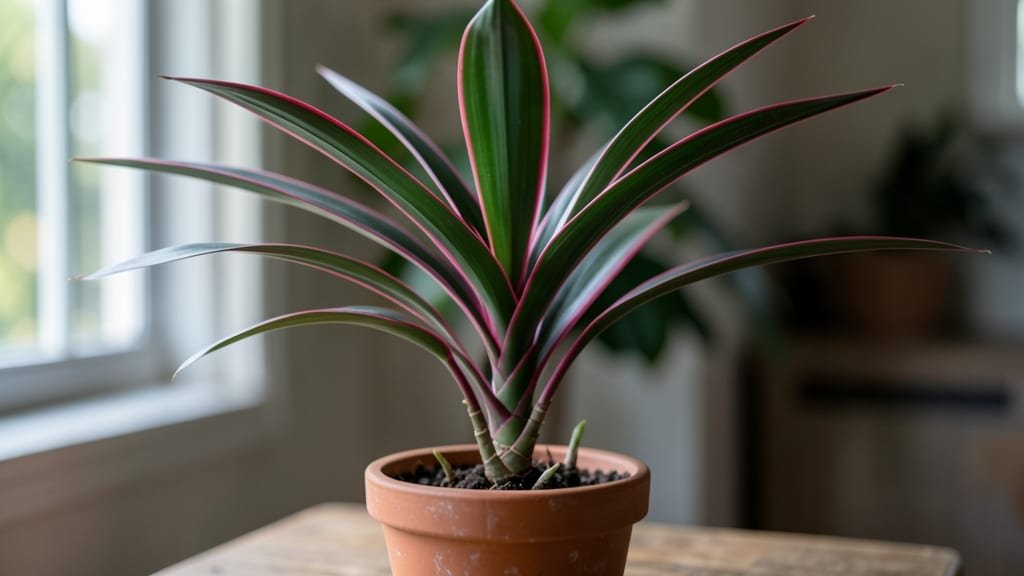
Growing a dragon plant indoors is the perfect way to add drama to your space with almost no effort. 🌿 These striking plants thrive in low light and only need water every 2-3 weeks, making them ideal for busy plant parents or forgetful waterers.
I've kept mine alive for years by following just three simple rules: don't overwater, don't move it around too much, and ignore the dust until it's obvious. The secret to their success lies in their adaptability.
While they love bright, indirect light, they'll survive in dim corners too—though you'll get more lush growth with a little extra brightness. My plant in the north-facing window grows twice as fast as the one in the hallway, proving that even small adjustments make a difference.
You'll end up with a tall, elegant plant that purifies the air and adds architectural interest to any room. The dark green leaves with red edges create a striking contrast, and the more you care for it, the taller and fuller it becomes.
It's the kind of plant that grows with you, adapting to your space and your schedule. Common mistakes like overwatering or sudden temperature changes are easy to avoid once you know what to watch for.
With minimal care, your dragon plant will reward you for years—sometimes even decades—with its striking beauty and resilience.
📚 In This Guide
- What you need
- Instructions
- Tips and common mistakes
- Wrapping up and next steps
What you need
- ● Dragon Plant (Dracaena marginata) – 1 healthy plant (choose a size that fits your space—smaller for desks, larger for floors).
- ● Well-draining potting mix – 1 bag (1–2 gallons). Look for a blend labeled for drought-tolerant plants or add perlite/pumice (20–30%) to regular soil for better aeration.
- ● Pot with drainage holes – 1 container (slightly larger than the plant’s root ball; terracotta or ceramic works best).
- ● Watering can or spray bottle – 1 (for precise hydration—avoid soggy roots!).
- ● Houseplant fertilizer – 1 bottle (balanced 10-10-10 or slow-release granules).
- ● Trowel or small shovel – 1 (for repotting or soil adjustments).
- ● Misting spray bottle – 1 (to boost humidity in dry climates).
- ● Plant saucer or tray – 1 (to catch excess water and prevent messes).
- ○ Grow lights (LED or fluorescent) – 1–2 (optional but helpful for very low-light spots; 12–14 hours/day).
- ○ Peat moss or coconut coir – Small amount (optional, for improving soil moisture retention).
- ● Pruning shears – 1 (for trimming brown tips or leggy growth).
Step-by-Step indoor dragon plant care for thriving growth
Here’s how to keep your dragon plant happy with just a few simple routines.
🪴 Step 1: Choose the Right Pot and Soil Mix
Pick a pot with drainage holes—dragon plants hate soggy roots. A 6-8 inch diameter container works for one plant, and you’ll need 4 pots for your 4 plants. Use a well-draining cactus or succulent mix blended with 20% perlite to prevent compaction. I like to add a handful of orchid bark for extra airflow around the roots.
Fill the pot ¾ full with the mix, leaving room for the plant’s root ball. Tap the pot gently to settle the soil without packing it down. The goal is a loose, airy medium that mimics the dragon plant’s natural rocky habitat.
☀️ Step 2: Position for Bright, Indirect Light
Dragon plants thrive in bright, indirect light—think east or north-facing windows. If your space is dim, a grow light on a 12-hour timer keeps them healthy. You’ll notice the leaves turning pale or stretching if they need more light, while deep green, thick leaves mean they’re happy.
Rotate the pot ¼ turn weekly so all sides get even light. Avoid harsh afternoon sun, which can scorch the leaves. If you see brown tips, it’s a sign of too much direct sun or dry air.
💧 Step 3: Water Only When Soil Is Completely Dry
Water your dragon plant only when the top 2-3 inches of soil feel dry to the touch. Stick your finger in—if it comes out clean, it’s time. Overwatering is the #1 killer, so I water once every 2-3 weeks in winter and once a week in summer. Let excess water drain completely before placing the pot back in its saucer.
If the leaves start wrinkling or drooping, it’s a cry for water. But if they feel soft or mushy, you’ve overdone it. Dragon plants store water in their leaves, so they’re forgiving—but not forever.
✂️ Step 4: Prune and Repot as Needed
Trim leggy stems back to encourage bushier growth. Use clean, sharp scissors to cut just above a leaf node. You can propagate the cuttings in water or fresh soil—each plant can easily produce 4 new babies this way. I repot mine every 2-3 years or when roots peek out the drainage holes.
When repotting, choose a container 2 inches larger in diameter and fresh soil mix. Gently remove the plant, loosen the roots, and place it in the new pot. The first watering after repotting should be light—just enough to settle the soil.
🌿 Step 5: Fertilize Lightly During Growing Season
Feed your dragon plant once a month in spring and summer with a balanced, diluted liquid fertilizer (half-strength). I skip fertilizing in fall and winter when growth slows. Yellowing leaves? You’re probably overdoing it—dragon plants need very little food to thrive.
Mist the leaves occasionally if your home has dry air, but avoid letting water sit in the rosette. A quick wipe with a damp cloth keeps dust off the leaves so they can photosynthesize efficiently.
Tips & tricks for perfect indoor dragon plant growth
Took me a while to figure these out, so here goes—simple tricks that'll make all the difference for your dragon plant.
Soil Mix Secrets: When mixing your cactus or succulent soil with 20% perlite, I add a pinch of horticultural charcoal (optional) to prevent bacterial growth. This helps keep the roots healthy, especially in humid spaces. The ¾ full fill level in Step 1 is key—don't pack it down too much, or you'll trap moisture that dragon plants despise.
Lighting Hacks: If your dragon plant starts stretching toward the window (called "etiolation"), it's begging for more light. Move it closer to a bright spot or extend the 12-hour grow light timer by 2 hours. Watch for those brown tips—they're your warning sign to reduce direct sun exposure or increase humidity with a pebble tray under the pot.
Watering Wisdom: The "top 2-3 inches dry" rule is golden, but here's the trick: use a moisture meter or chopstick to check deeper. Dragon plants store water, so their soil can stay dry longer than you'd expect. In summer, I water once a week but only give it ¼ cup—just enough to moisten the soil without drowning the roots.
Repotting Rescue: When roots peek through drainage holes (usually every 2-3 years), it's time to upgrade. Choose a pot 2 inches larger in diameter, but don't go bigger than 10 inches—too much soil holds excess moisture. After repotting, wait 5-7 days before watering to let any damaged roots heal.
Pro Tips for Dragon Plant Indoor
- Took me a while to figure these out, so here goes—simple tricks that'll make all the difference for your dragon plant.
- Soil Mix Secrets: When mixing your cactus or succulent soil with 20% perlite, I add a pinch of horticultural charcoal...
- Lighting Hacks: If your dragon plant starts stretching toward the window (called "etiolation"), it's begging for more...
Frequently asked questions
Got questions about keeping your dragon plant (Dracaena marginata) thriving indoors? Here are some of the most common concerns—and their simple solutions!
How often should I water my dragon plant?
Water your dragon plant only when the top 1-2 inches of soil are completely dry. Overwatering is the #1 killer—these plants store water in their stems! Aim for every 2-3 weeks in winter and weekly in summer, adjusting for humidity levels. Pro tip: Stick your finger in the soil to check!
Why are the tips of my dragon plant turning brown?
Brown tips usually mean underwatering or fluoride/chlorine in tap water. Try these fixes:
- Water deeply but less often (let soil dry out fully).
- Use filtered or distilled water if your tap water is hard.
- Trim the brown tips with clean scissors and repot if roots look mushy.
Can dragon plants survive in low light?
Yes! Dragon plants are low-light tolerant but grow best with bright, indirect light. If leaves stretch or yellow, move it closer to a window (but avoid direct sun). A north-facing window or 10 feet from an east/west window works well. Artificial grow lights (12-14 hours/day) can help in dim spaces.
Are dragon plants toxic to pets?
Unfortunately, yes. Dragon plants contain saponins, which can cause vomiting, drooling, or diarrhea if ingested by cats or dogs. Keep them out of reach or opt for pet-safe alternatives like spider plants or Boston ferns. If your pet nibbles, call your vet or ASPCA Poison Control.
How do I propagate my dragon plant?
Propagation is easy! Here’s how:
- Cut a 4-6 inch stem just below a leaf node (where leaves grow).
- Remove lower leaves to expose the node.
- Place the cutting in water or moist soil—roots grow in 2-4 weeks!
- Once roots are 2+ inches long, transplant to soil.
Wrapping up and next steps
The dragon plant (Dracaena marginata) is a stunning, low-maintenance addition to any indoor space, thriving even in dim lighting with just a little love. Its striking foliage and resilience make it perfect for beginners or busy plant parents—proof that growing lush greenery doesn’t require a green thumb! 🌿
Ready to bring home your own dragon plant? Start by picking a pot, gathering supplies, and placing it in a bright (but indirect) spot—then sit back and enjoy watching it grow. Your indoor jungle awaits!