Propagation
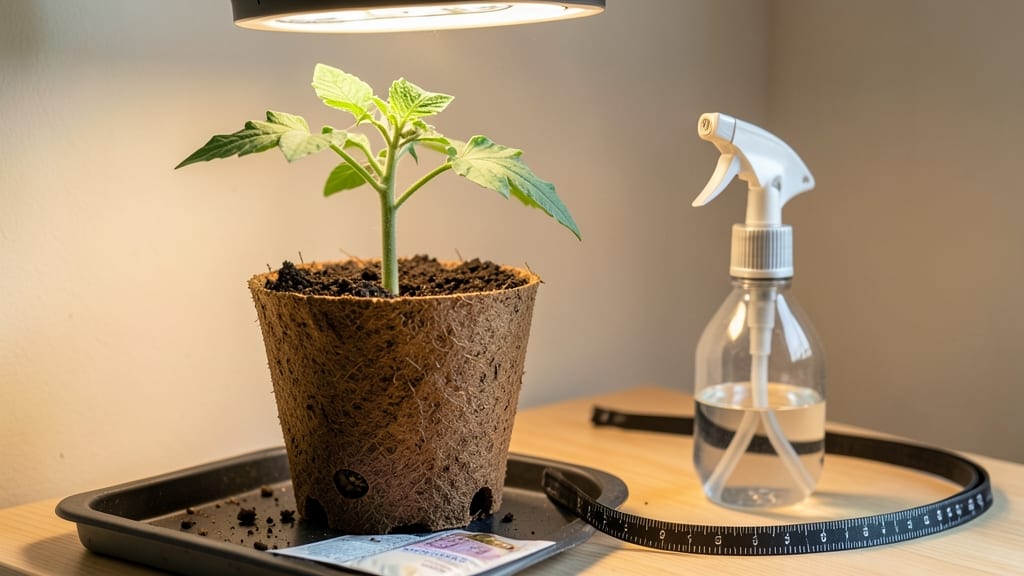
You don't have to start seeds indoors, but it becomes necessary in colder regions like USDA Zones 1-6 where frost dates often arrive too early for tender seedlings. In warmer Zones 7+, many plants thrive with direct sowing, though some delicate varieties still benefit from early indoor starts.
Whether or not you need to start seeds indoors depends on your local climate and the plants you're growing. 🌱 In colder regions, frost dates can arrive before tender seedlings like tomatoes or peppers are ready for transplanting, making indoor starts essential for a successful harvest.
Even in milder zones, some heat-sensitive plants—like basil or eggplants—benefit from early indoor cultivation to extend the growing season or protect against unexpected late frosts.
For example, gardeners in Zone 5 might start tomatoes indoors 6-8 weeks before the last frost date, while those in Zone 9 could sow them directly after the soil warms. The key is matching your planting strategy to your local frost patterns and the specific needs of each plant.
Always check your area's average last frost date and seed packet recommendations for guidance.
💡 In This Article
- Climate Zones Requiring Indoor Seed Starting
- Best Plants to Start Indoors vs. Direct-Sowing Alternatives
Climate zones requiring indoor seed starting
Your local climate zone determines whether indoor seed starting is a necessity or just a helpful option. The USDA divides regions into 10 hardiness zones based on average annual minimum temperatures.
Zones 1-6 experience the coldest winters, with last frost dates often arriving between April and June, depending on elevation and latitude.
For example, in Zone 3 (think Minnesota or northern New England), the average last frost date is around May 15, leaving only about 100 growing days before the first frost in fall.
This short window forces gardeners to start heat-loving plants like tomatoes and peppers indoors 8-12 weeks before transplanting.
The science behind this involves seedling viability and temperature thresholds. Most vegetable seedlings can't tolerate temperatures below 50°F, while tender crops like basil and eggplants need soil temperatures above 60°F to germinate.
In colder zones, soil may not reach these temperatures until late spring, making indoor starts the only viable option.
For instance, a tomato seedling started indoors in Zone 5 on March 15 will be large enough to transplant by May 1, just before the last frost, while a direct-sown seed might emerge too late to mature before fall frosts.
In contrast, Zones 7-10 enjoy longer growing seasons with later frost dates. Gardeners in Zone 8 (like parts of Texas or Georgia) often see their last frost around March 15, leaving ample time for direct sowing of many crops.
However, even in these warmer regions, some plants—like melons or okra—benefit from indoor starts because they require 90-120 days to mature. The key is understanding your local frost dates and matching them to each plant's growth requirements.
For example, a pepper plant needs 70-90 days to fruit, so in Zone 7, starting seeds indoors by February 15 ensures a harvest before fall frosts.
Here's how to determine if your plants need indoor starts:
- Check your last frost date: Use the USDA Plant Hardiness Zone Map to find your zone, then look up local frost dates (many county extension offices provide this data).
- Calculate days to maturity: Subtract your last frost date from the plant's days-to-harvest requirement. If the result is less than 4-6 weeks, indoor starts are likely needed.
- Consider soil temperature: Use a soil thermometer to check if your ground warms to the plant's minimum germination temperature before your last frost.
For example, in Zone 4 (Wisconsin or upstate New York), a 60-day tomato started indoors on March 1 will be ready for transplant by May 1, just in time for the last frost.
Direct sowing would risk seedlings emerging too late. Meanwhile, in Zone 9 (Florida or southern California), the same tomato could be sown directly in March and still mature before summer heat sets in.
Don't forget about microclimates—your yard might have warmer pockets (like south-facing slopes) that allow earlier planting. Test these areas with a soil thermometer before committing to indoor starts. 🌱