
Container Gardens
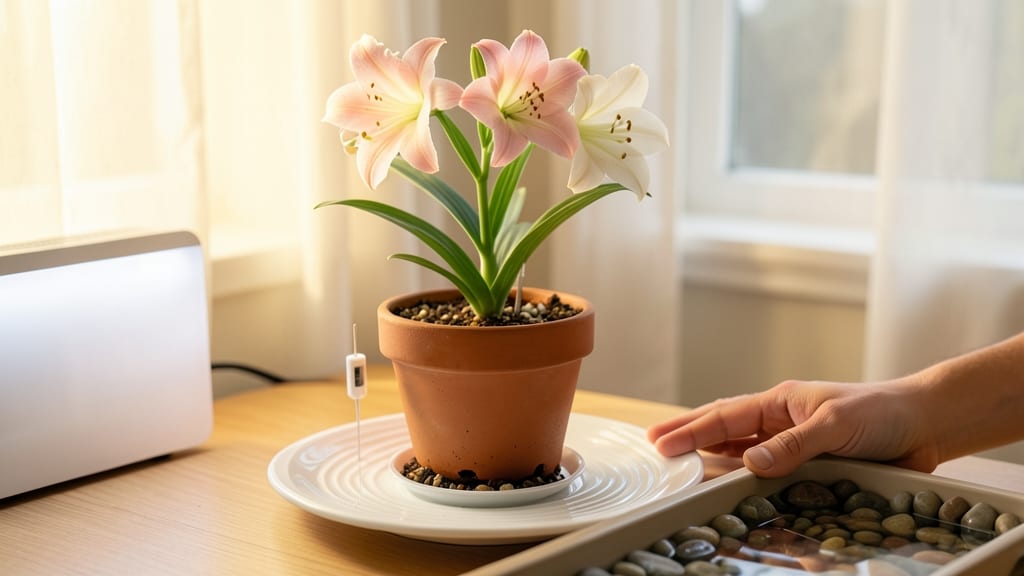
Yes, lilies can be grown indoors with the right varieties—Asiatic or Martagon lilies—by providing bright, indirect light and well-draining pots. These species adapt well to indoor conditions when you maintain proper drainage, moderate watering, and cooler temperatures to prevent bulb rot.
Indoor lily success depends on choosing the right hardy species that tolerate lower light levels and smaller containers. 🌱 Asiatic lilies, for example, handle indoor spaces better than tropical varieties, while Martagon lilies thrive in cooler environments.
The key is replicating their natural habitat—bright, filtered sunlight near a north or east-facing window and a well-draining potting mix to prevent waterlogging. I’ve found that keeping temperatures between 60–75°F and using a humidity tray helps mimic outdoor conditions, encouraging healthier growth and blooms.
One common mistake is overwatering, which leads to yellowing leaves or bulb rot. Instead, let the top inch of soil dry out between waterings and always use pots with drainage holes. For extra insurance, I recommend adding perlite or sand to your potting mix to improve airflow around the roots.
💡 In This Article
- Best Indoor Lily Varieties and Their Light Requirements
- Indoor Lily Care Tips: Soil, Watering, and Temperature Guide
Best indoor lily varieties and their light requirements
Not all lilies thrive indoors, but certain varieties are specifically bred to handle lower light levels and smaller containers. Asiatic lilies, for example, are the most adaptable for indoor growing—they produce vibrant blooms in shades of pink, orange, and yellow while tolerating moderate to bright indirect light.
Martagon lilies, also called Turk's cap lilies, are another excellent choice because their nodding flowers and fragrant blooms do well in cooler indoor environments with 6-8 hours of filtered sunlight daily. These species mimic their natural woodland habitats, making them ideal for indoor conditions.
The light requirements for indoor lilies can be tricky because artificial lighting often lacks the full spectrum needed for photosynthesis. A north or east-facing window provides the best natural light, delivering 1,000-2,000 foot-candles of brightness—similar to the dappled sunlight lilies receive under trees outdoors.
If your space lacks natural light, supplement with a grow light placed 12-18 inches above the plant for 12-14 hours daily. Avoid placing lilies in south-facing windows, as direct afternoon sun can scorch their delicate leaves, turning them yellow or brown.
Calla lilies, often confused with true lilies, are another low-light option for indoor growing. They thrive in low to moderate indirect light and can even tolerate artificial office lighting, making them perfect for spaces without windows. However, their blooms may be smaller or less frequent compared to outdoor-grown plants.
The trade-off is their striking, heart-shaped leaves that add visual interest even without flowers. For best results, rotate your lily pots quarter-turn weekly to ensure even light exposure on all sides.
One common misconception is that all lilies need high light to bloom. While this is true outdoors, indoor varieties like Asiatics and Martagons have adapted to thrive in 50-70% shade conditions, which translates to bright but indirect light indoors.
The key is observing your plant's response: if leaves turn pale green or stretch excessively toward the light, it needs more brightness. Conversely, if leaves yellow or crisp at the edges, it's receiving too much direct sun. 🌿 Adjust accordingly by moving the plant closer or farther from the window.
For those with limited natural light, consider starting with Martagon lilies—they're the most forgiving of indoor conditions. Their ability to bloom in cooler temperatures (ideal for basements or cool bedrooms) and their tolerance for lower light levels make them a reliable choice.
Just ensure your indoor space maintains a consistent temperature between 60-75°F and avoid drafts, which can stress the plant and prevent flowering.