
Container Gardens
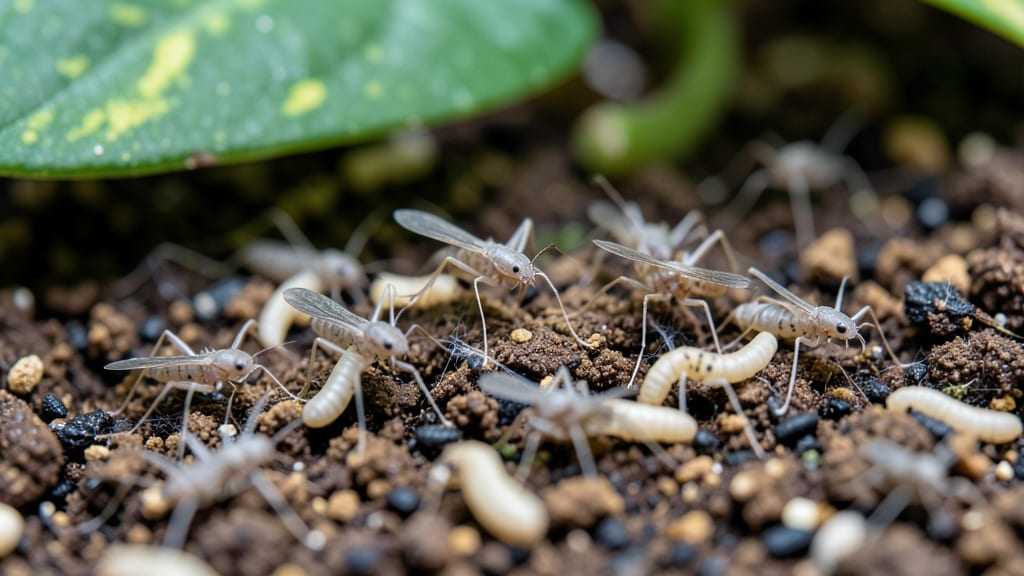
Bugs in your indoor plant soil aren’t just annoying—they’re a sign your roots need help. 🌱 I’ve battled fungus gnats, springtails, and even nematodes in my collection, and I’ve learned which natural fixes actually work without harsh chemicals.
The problem usually starts with overwatering or poor drainage, creating a damp, bug-friendly environment. Most store-bought potting mixes hold too much moisture, inviting pests that weaken roots over time. The good news? Simple adjustments—like adding perlite or switching to a cactus soil mix—can make a huge difference.
With the right approach, you’ll see healthier roots within weeks. No more wilting leaves or tiny flying pests—just strong, thriving plants that reward your effort. Let’s get your soil back in balance.
First, identify the culprit: fungus gnats look like tiny black flies, while springtails are tiny white or gray creatures that scatter when you disturb the soil. Nematodes are harder to spot but show up as stunted growth or yellowing leaves.
Once you know what you’re dealing with, targeted solutions like hydrogen peroxide for gnats or neem oil for nematodes can restore your plant’s health.
Prevention is easier than treatment—reduce watering, let the top inch of soil dry out between waterings, and consider yellow sticky traps to catch flying pests. A little extra care now means fewer headaches later and plants that stay healthy for months.
Hidden Triggers Inviting Soil Pests
Indoor plant soil may seem like a cozy, sterile environment, but it’s actually a bustling ecosystem where tiny intruders love to set up shop. Understanding why these pests appear is the first step to keeping your plants thriving.
Below, we break down the most common reasons—backed by science—and what you can do to prevent them.
🌱 Overwatering Creates a Pest Paradise
Moisture is a double-edged sword. While plants need water, excessive dampness turns soil into a buffet for bugs like fungus gnats, shore flies, and even slugs. Here’s the science:
- Stagnant water = breeding ground: Pests thrive in soggy soil because it lacks oxygen, forcing roots to suffocate. Fungus gnat larvae, for example, feed on decaying organic matter in waterlogged conditions.
- Bacterial blooms attract pests: Overwatering disrupts the soil microbiome, creating an imbalance that encourages harmful microbes. These microbes, in turn, lure pests seeking easy meals.
- Root rot weakens defenses: When roots rot, they emit volatile organic compounds (VOCs) that signal to insects, "Free food here!"
Actionable fix: Let the top 1–2 inches of soil dry out between waterings. Use pots with drainage holes and a well-draining mix (e.g., perlite, orchid bark, or coco coir).
🍂 Decaying Organic Matter Feeds Hungry Invaders
Dead leaves, old mulch, or compost that hasn’t fully broken down are like all-you-can-eat buffets for soil-dwelling pests. The issue isn’t organic matter itself—it’s poor decomposition. When organic material rots too slowly, it releases sugars and proteins that:
- Attract fungus gnats and springtails: These pests are drawn to the microbial activity in decomposing plant debris.
- Create anaerobic zones: Without enough oxygen, harmful bacteria and fungi multiply, further inviting pests.
- Alter soil pH: Decomposing matter can make soil more acidic, stressing plants and making them more vulnerable to infestations.
Actionable fix:
- Remove dead leaves and spent mulch from the soil surface.
- Use fast-decomposing amendments like worm castings or well-aged compost (avoid fresh manure).
- Top-dress with a thin layer of kinetic sand or horticultural grit to improve aeration.
🕷️ Poor Soil Hygiene Spreads Hitchhiking Pests
Many soil bugs don’t originate in your pot—they hitchhike in from new plants, contaminated tools, or even outdoor soil. Here’s how it happens:
- New plants: Even healthy-looking store-bought plants can carry eggs, larvae, or adult pests in their soil or foliage.
- Reused containers: Old pots, especially terracotta or plastic, can harbor dormant pest eggs or microscopic fungi for years.
- Outdoor soil: Bringing in garden soil, mulch, or compost from outside introduces pests like nematodes or pill bugs that thrive indoors.
Actionable fix:
- Quarantine new plants for 2–4 weeks before introducing them to your collection.
- Sterilize tools and pots with a 10% bleach solution (1 part bleach to 9 parts water) or boiling water.
- Use sterile potting mix (avoid garden soil) and avoid over-potting—root-bound plants are less stressed and less attractive to pests.
🌡️ Temperature and Humidity Mismatches Stress Plants
Indoor environments often have extreme fluctuations in temperature and humidity—both of which weaken plants and make them prime targets for pests. The science:
- Low humidity (<30%) dries out soil, causing cracks where pests like springtails or booklice hide.
- High humidity (>60%) creates a damp, warm environment perfect for fungal gnats and mold mites.
- Cold drafts (e.g., near AC vents) slow plant metabolism, making them more susceptible to root-feeding pests.
Actionable fix:
- Use a hygrometer to monitor humidity—aim for 40–60% for most tropical plants.
- Avoid placing pots near heating/cooling vents or direct sunlight.
- Group plants together to create a microclimate with stable humidity.
🧪 Chemical Imbalances Disrupt Natural Defenses
Soil isn’t just dirt—it’s a living ecosystem of bacteria, fungi, and beneficial insects. When you disrupt this balance with harsh chemicals (like synthetic fertilizers or pesticides), you’re essentially removing the bouncers that keep pests out. Here’s how:
- Synthetic fertilizers can burn roots and kill beneficial microbes, leaving plants weak and vulnerable.
- Overuse of pesticides kills predatory insects (like ladybugs or lacewings) that naturally control pests.
- Salt buildup from fertilizers or tap water alters soil structure, making it easier for pests to infiltrate.
Actionable fix:
- Switch to organic fertilizers (e.g., fish emulsion, compost tea) to feed soil microbes.
- Use neem oil or insecticidal soap only as a last resort—they can harm beneficial insects too.
- Flush soil annually with rainwater or distilled water to reduce salt buildup.
Quick Fixes for Soil Invaders
If you’ve spotted unwanted critters in your indoor plant’s soil, don’t panic—most pests can be tackled with simple, natural remedies. Below, we’ve mapped out targeted solutions based on the most common culprits, along with prevention tips to keep your plants thriving long-term.
These methods are safe for plants, pets, and humans, so you can act with confidence.
Cause: Overwatering, damp soil, or decaying organic matter. Fix: 🔥 Step 1: Drain the Soil – Let the top 1–2 inches dry out completely before watering again. Use a moisture meter if needed. 🍳 Step 2: DIY Larvicide Trap – Fill a shallow container with apple cider vinegar + a drop of dish soap. Cover it loosely with plastic wrap and poke holes for adults to enter but not escape. 👨🍳 Step 3: Apply Beneficial Nematodes – Mix heterorhabditis bacteriophora (available online) into the soil to kill larvae naturally. ⏰ Step 4: Prevent Future Infestations – Use sand or perlite in the top layer of soil to deter eggs, and reduce watering frequency.
💡 Pro Tip: Yellow sticky traps placed near the plant can catch adults before they lay eggs.
Cause: Dry air, weak plants, or poor ventilation. Fix: 🔥 Step 1: Isolate the Plant – Move it away from others to prevent spreading. 🔪 Step 2: Scrape Off Visible Bugs – Use a soft toothbrush dipped in rubbing alcohol (70% isopropyl) to wipe away clusters. 🌿 Step 3: Neem Oil Spray – Mix 1 tsp neem oil + 1 tsp mild soap + 1 quart water. Spray every 5–7 days until gone. 🎯 Step 4: Boost Plant Health – Wipe leaves with a damp cloth to remove dust and improve airflow with a small fan.
💡 Pro Tip: Ladybugs are natural predators—release them near infected plants for long-term control.
Cause: Dry conditions, dusty leaves, or crowded plants. Fix: 🌡️ Step 1: Increase Humidity – Place a tray of water + pebbles under the pot or use a humidifier. 🥗 Step 2: Blast Off Mites – Spray leaves with water to dislodge them, then wipe with a soapy sponge. ✨ Step 3: Systemic Treatment – Apply horticultural oil (follow label instructions) or insecticidal soap every 3–4 days. 💪 Step 4: Strengthen Defenses – Mist leaves daily and prune yellowed foliage to reduce stress.
💡 Pro Tip: Predatory mites (Phytoseiulus persimilis) can be purchased to eat spider mites naturally.
Cause: Overly moist soil, lack of barriers, or outdoor access. Fix: 🍎 Step 1: Remove Hiding Spots – Clear debris (mulch, rocks) near the pot where they hide. 🔥 Step 2: DIY Beer Trap – Bury a small container filled with beer near the plant (they’ll crawl in and drown). 🛡️ Step 3: Natural Barriers – Create a copper tape ring around the pot (slugs hate copper) or use crushed eggshells as a deterrent. 🚫 Step 4: Water at the Base – Avoid overhead watering, which attracts them.
💡 Pro Tip: Diatomaceous earth (food-grade) sprinkled around the pot edge kills slugs by dehydrating them—reapply after rain.
Cause: Contaminated soil or infected plants. Fix: 🌱 Step 1: Replace Infested Soil – Discard the top 2–3 inches of soil and sterilize the pot with boiling water. 🌿 Step 2: Solarize the Soil – If repotting isn’t an option, cover the soil with clear plastic for 4–6 weeks in direct sunlight to kill nematodes. 💊 Step 3: Use Resistant Plants – Switch to marigolds, basil, or chives, which naturally repel nematodes. 🔄 Step 4: Rotate Crops – If gardening long-term, avoid planting susceptible plants (like tomatoes) in the same spot for 2+ years.
💡 Pro Tip: Marigold companion planting can suppress nematode populations when grown nearby.
To keep pests from returning: ✅ Inspect new plants before bringing them home—quarantine for 2 weeks. ✅ Use well-draining soil (mix in perlite or orchid bark). ✅ Avoid overwatering—let soil dry between waterings. ✅ Clean up fallen leaves regularly to remove pest hiding spots. ✅ Encourage beneficial insects like lacewings or ladybugs with nectar-rich plants.
Remember: Consistency is key! Most infestations clear up within 2–4 weeks with diligent treatment. If pests persist, consider professional pest control for severe cases. 🌿✨
Frequently asked questions
How do I tell if my indoor plant has soil bugs I can't see?
Look for these red flags: tiny black flies near the soil (likely fungus gnats), white or gray specks scattering when you disturb the soil (springtails), or stunted growth/yellowing leaves (possible nematodes). Tap the pot gently—if you see small creatures jumping out, that's a clear sign of soil-dwelling pests.
Will hydrogen peroxide really kill fungus gnats?
Yes! Mix 1 part 3% hydrogen peroxide to 4 parts water, then pour it into the soil until it drains from the bottom. This kills larvae without harming your plant. Repeat every 5-7 days until the gnats disappear. Just avoid using it on plants sensitive to chlorine.
Can I reuse soil from a plant that had bugs?
Only if you sterilize it first. Spread the soil in a thin layer on a baking sheet and bake at 200°F for 30 minutes to kill all pests and eggs. Alternatively, solarize it by covering with clear plastic in direct sunlight for 4-6 weeks. Never reuse infested soil without treatment.
Are springtails harmful to my plants?
Not usually! These tiny white creatures are harmless decomposers that actually help break down organic matter. The problem only occurs when they're present in massive numbers, which usually indicates your soil is too moist. Reduce watering and they'll naturally decline.
How long does it take to eliminate soil bugs completely?
With consistent treatment, most infestations clear up in 2-4 weeks. Fungus gnats may take longer (up to 6 weeks) because their life cycle includes eggs, larvae, and adults. The key is persistence—keep applying remedies until you see no new pests for at least 2 weeks.