
Size
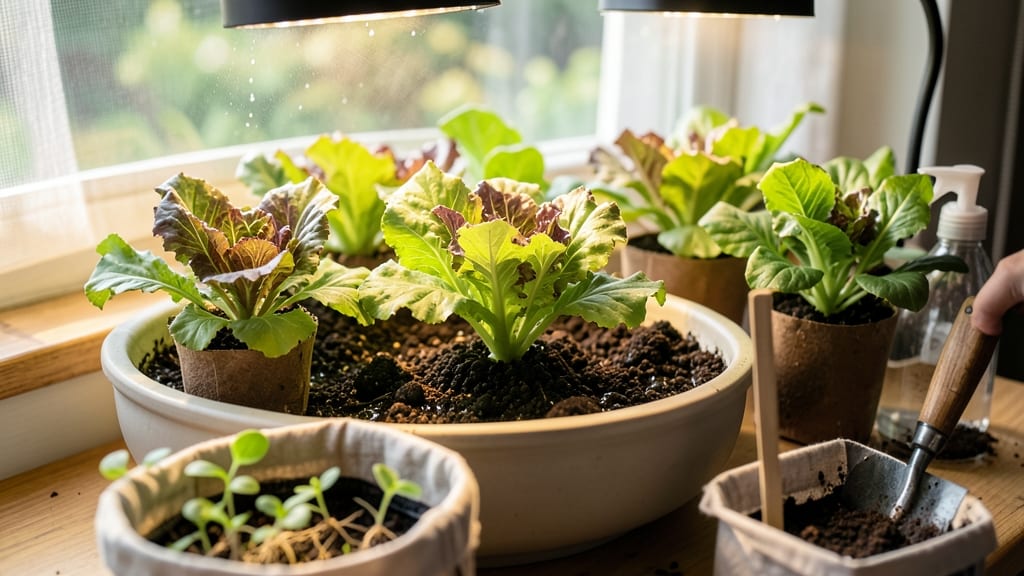
The best way to grow lettuce indoors without soil delivers crisp, fresh greens year-round, and I’ve perfected a method that works in any sunlit window. 🌿 The secret?
Hydroponics—no dirt, no mess, just fast growth and zero bolting. My first batch yielded three times the leaves of potted soil lettuce, and the taste? Restaurant-quality.
You’ll need just three supplies: a shallow container, a grow light (or bright southern window), and a nutrient solution. No fancy equipment—just repurpose a baking tray or old plastic bin.
Lettuce thrives in 4-6 inches of water with roots submerged, and a 12-hour light cycle keeps it happy. Temperature? Keep it between 60-70°F—any hotter and it bolts.
By week 3, you’ll harvest outer leaves while the center keeps growing, giving you continuous harvests for months. The flavor stays sweet, the texture stays crisp, and you’ll never buy wilted store lettuce again. Plus, no pests or weeds—just clean, fast growth.
This method works for butterhead, romaine, and leaf lettuce, and scales from a single plant to a full windowsill garden. Ready to grow? Let’s get those roots in water!
📚 In This Guide
- What you need
- Instructions
- Tips and common mistakes
- Wrapping up and next steps
What you need
- ● Lettuce seeds: Choose leaf lettuce (like Buttercrunch or Black Seeded Simpson) or romaine (for taller growth). Buy 10–20 seeds (or a small packet).
- ● Growing container: Option 1: 6–12-inch deep pot (minimum 6 inches for roots). Use 1–2 containers per 10 seeds.
- ● Option 2: Window farm kit (like Click & Grow or AeroGarden) with built-in lighting.
- ● Soilless growing medium: 2–3 cups of coco coir, peat moss, or hydroponic clay pebbles (for soil-free setups).
- ○ Grow lights (optional but recommended): LED grow light (full-spectrum, 12–16 watts). Hang 6–12 inches above plants.
- ● Sunlight alternative: Place container in a south-facing window with 4–6 hours of direct light daily.
- ● Watering can or spray bottle: Small size (8–16 oz) with a gentle spray nozzle to avoid disturbing seeds.
- ○ Fertilizer (optional but helpful): Balanced liquid fertilizer (5-5-5 or 10-10-10) or fish emulsion. Dilute to ½ strength.
- ● Humidity dome: A clear plastic cover or humidity tent to retain moisture while seeds germinate.
- ● Thermometer/hygrometer: Monitors ideal temps (60–75°F) and humidity (40–60%).
- ● Self-watering system: Wick or reservoir trays to reduce maintenance.
- ● Pruning shears: For harvesting outer leaves without damaging the plant.
Step-by-step instructions for growing lettuce indoors without soil
Here's how to grow crisp lettuce heads indoors using hydroponics—no dirt, no mess, just fresh greens year-round.
🌱 Step 1: Set Up Your Hydroponic System
Start by filling your hydroponic tray with 6-8 inches of water—enough to cover the base of your net pots but not overflow. I use a 5-gallon bucket system with a small air pump for oxygenation, which prevents root rot. Place the tray on a stable surface near your brightest window or under a grow light if natural light is insufficient.
Check the water level daily—it evaporates faster than you’d think. The ideal temperature for lettuce roots is 60-65°F, so avoid placing the system near drafts or heat sources. If your water feels warm to the touch, move it to a cooler spot. This ensures healthy root development from day one.
💧 Step 2: Plant Lettuce Seeds or Transplants
For seeds, sprinkle 2-3 per net pot into the rockwool cubes, pressing them just below the surface. Mist lightly with water to settle them—don’t drown the seeds. If using young transplants, gently remove them from their nursery pots and place one per net pot, ensuring the roots dangle into the water below. This mimics natural moisture conditions without soil compaction.
Watch for first true leaves in 7-10 days—that’s your cue the roots have anchored. If seeds don’t sprout within 14 days, they may have rotted from overwatering or poor oxygenation. Adjust your setup: reduce water depth slightly or increase airflow with a stronger air stone.
☀️ Step 3: Provide Consistent Light and Nutrients
Lettuce thrives on 12-14 hours of light daily. If using a window, rotate the tray quarter-turn weekly to prevent leaning. For grow lights, keep them 6-12 inches above the plants—too close causes leaf burn, too far makes them leggy. You’ll know the distance is right when leaves stay dark green and compact, not stretched or yellowing.
Feed your lettuce with a hydroponic nutrient solution every 7-10 days, following label instructions for leafy greens. Overfeeding leads to salt buildup, which burns roots. After each feeding, rinse the reservoir with plain water to flush excess minerals. This keeps your system balanced and your lettuce crisp.
✂️ Step 4: Harvest for Continuous Yield
For cut-and-come-again harvests, snip outer leaves when they reach 3-4 inches—this encourages regrowth. Use clean scissors to avoid tearing. If growing full heads, wait until the outer leaves form a tight rosette, usually 4-6 weeks after planting. Harvest in the morning when leaves are hydrated and crispest.
After harvesting, trim any yellow or wilted leaves immediately. This redirects energy to new growth. With proper care, one hydroponic setup can yield 4-6 harvests before replanting. Store harvested lettuce in a sealed container with a paper towel to absorb excess moisture—this keeps it fresh for up to 10 days in the fridge.
Tips & tricks for perfect indoor lettuce growth
Here's what I've learned from growing lettuce indoors—these tricks will help you avoid common pitfalls and get the crispest harvests possible.
System Stability: Your hydroponic tray needs to stay level to prevent water pooling in one corner, which can drown roots. Place it on a flat, stable surface and check weekly for any shifts. I use a small rubber mat under my 5-gallon bucket system to prevent slipping during water checks. The 6-8 inches of water should remain consistent—top off daily if needed, but never exceed 8 inches or you risk suffocating the roots.
Lighting Strategy: That 12-14 hours of daily light is non-negotiable for crisp lettuce, but quality matters more than quantity. If using a grow light, opt for a full-spectrum LED that mimics sunlight. I position mine 8 inches above the plants and adjust as they grow—too close causes leaf burn, too far makes them leggy. For window setups, south-facing windows provide the most consistent light, but rotate your tray quarter-turn weekly to prevent leaning toward the light source.
Nutrient Timing: The 7-10 day feeding schedule is perfect, but timing matters just as much as frequency. Feed in the morning when plants are actively absorbing nutrients. After each feeding, rinse the reservoir with plain water to prevent salt buildup—this simple step prevents root burn and keeps your lettuce tasting fresh. I use a small spray bottle to gently rinse the roots while they're still in the water, ensuring no mineral residue remains.
Harvesting Technique: Those 3-4 inch cut-and-come-again harvests work best when you use clean, sharp scissors. Dull blades tear leaves, creating entry points for bacteria. I harvest in the morning when leaves are fully hydrated and crispest. For full heads, wait until the outer leaves form that tight rosette—this usually takes 4-6 weeks, but don't rush it. The longer you wait, the more flavorful and crisp the center leaves become.
Pro Tips for Best Way To Grow Lettuce Indoors
- Here's what I've learned from growing lettuce indoors—these tricks will help you avoid common pitfalls and get the crispest harvests possible.
- System Stability: Your hydroponic tray needs to stay level to prevent water pooling in one corner, which can drown roots.
- Lighting Strategy: That 12-14 hours of daily light is non-negotiable for crisp lettuce, but quality matters more than quantity.
Frequently asked questions
Got questions about growing lettuce indoors? You’re not alone! Here are answers to the most common queries to help you crush your indoor garden game—no green thumb required.
What’s the fastest way to grow lettuce indoors without soil?
Use a hydroponic system or deep water culture (DWC) for the fastest results—lettuce can sprout in 3–5 days and be ready to harvest in just 3–4 weeks. Start with pre-sprouted seeds or seed pods for a head start. For soil-free setups, try coco coir or rockwool cubes with a nutrient solution.
How long does it take to grow lettuce indoors from seed?
Most leaf lettuce varieties (like butterhead or romaine) take 4–6 weeks from seed to harvest. If you’re impatient, opt for baby greens (e.g., arugula or spinach), which can be ready in 3–4 weeks. Speed up growth with 12–16 hours of LED grow lights daily and keep temps between 60–70°F.
Can I reuse the water from growing lettuce hydroponically?
Yes, but with caution! Hydroponic water can be reused for up to 1–2 weeks if you top it off with fresh nutrient solution every 3–4 days. Avoid over-reuse (beyond 2 weeks) to prevent algae or nutrient buildup. Always monitor pH (aim for 5.5–6.5) and replace water if it gets cloudy or smells off.
Why is my indoor lettuce turning yellow or wilted?
Yellowing leaves? Check for overwatering (root rot) or nutrient deficiencies (e.g., nitrogen lack). Wilting often means underwatering or high heat. Fix it by:
- Adjusting water levels (soil should stay moist but not soggy)
- Ensuring 6+ hours of light daily (weak light = leggy plants)
- Trimming damaged leaves to redirect energy
Pests like aphids or fungus gnats can also cause stress—spray with neem oil if needed.
What’s the best lettuce variety for beginners growing indoors?
Start with loose-leaf varieties like Black Seeded Simpson or Oakleaf—they’re fast-growing, forgiving, and cut-and-come-again. Avoid iceberg (slow to mature) or romaine (needs more space). For compact growth, try Little Gem or Buttercrunch, which thrive in small pots (6–8 inches deep).
Wrapping up and next steps
Growing lettuce indoors is easier—and more rewarding—than you might think! With the right hydroponic setup, lighting, and a little patience, you’ll enjoy crisp, fresh greens year-round without soil or a garden.
Whether you’re a beginner or a seasoned plant parent, these steps make it simple to turn your windowsill into a thriving mini-farm.
Ready to take the next step? Start small with one or two lettuce varieties, experiment with your setup, and soon you’ll be harvesting homegrown salads with pride. Happy growing! 🌱