
How To
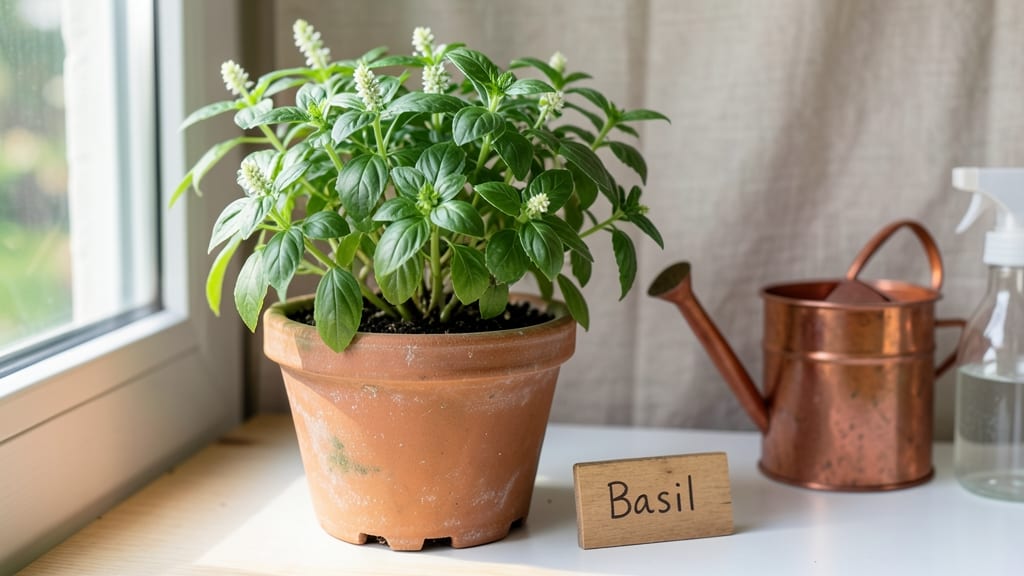
Growing basil indoors isn't just possible—it's the best way to keep fresh herbs on your counter year-round. 🌿 The secret lies in mimicking its Mediterranean roots: bright light, warm air, and just the right amount of moisture.
My kitchen windowsill setup now produces more basil than I could ever buy at the store, and it’s foolproof once you know the tricks.
Start with a 6-inch pot and well-draining potting mix—basil hates soggy roots. Place it in the sunniest window (south-facing is ideal) or under a grow light for 6-8 hours daily.
Water when the top inch feels dry, and pinch off flowers to keep the plant bushy. Within 3-4 weeks, you’ll have enough leaves for pesto, salads, and more.
The payoff? Basil that smells shockingly fresh, stays productive for months, and never wilts like store-bought herbs. Prune regularly to encourage new growth, and watch it thrive even in small spaces. No more $4 bunches—just endless homegrown flavor.
Works for any kitchen, from bright sunrooms to dimmer apartments. Here’s how to set it up without the guesswork.
Common Culprits Behind Basil Struggles
Growing basil indoors can feel like a culinary dream—until your plant starts throwing red flags. Yellowing leaves, leggy stems, or stunted growth aren’t just random bad luck; they’re your basil’s way of screaming for help.
Understanding the root causes (literally and figuratively) is the first step to fixing them. Below, we break down the science behind why your basil might be underperforming, so you can troubleshoot like a pro.
Basil is a sun-worshipper, and without enough light, it throws a tantrum. Here’s why:
- Photosynthesis slowdown: Basil needs 6–8 hours of direct sunlight daily (or a grow light equivalent). Without it, chlorophyll production drops, leading to pale, weak leaves. Think of it like a human with vitamin D deficiency—your basil just can’t thrive.
- Leggy, stretched stems: When light is scarce, basil stretches toward the nearest source (a phenomenon called etiolation). This makes stems weak and leaves sparse. It’s like your plant is doing pull-ups to reach the sky!
- Window placement myths: North-facing windows often trick growers into thinking they’re “enough.” Basil needs bright, indirect light at minimum—south or west-facing spots are ideal. If your window is shaded by trees or buildings, supplement with a full-spectrum LED grow light (12–16 hours/day).
Pro tip: 🌡️ Test your light setup by holding your hand near the plant. If you can’t feel warmth, it’s not enough. Move closer to the window or adjust your grow light height (6–12 inches above the plant).
Basil hates soggy roots—it’s a Mediterranean herb, not a swamp dweller! Here’s the science behind the sog:
- Root rot’s silent invasion: Basil roots need well-draining soil and air circulation. Overwatering suffocates roots, cutting off oxygen and inviting Pythium or Fusarium fungi. These pathogens block water and nutrient uptake, causing yellowing leaves (starting at the bottom) and a foul smell.
- The “wet feet” effect: Even if the soil looks dry on top, compacted or heavy soil traps moisture at the roots. Basil prefers 60% moisture max—like a wrung-out sponge. Stick your finger 1 inch deep; if it’s damp, wait to water.
- Container chaos: Small pots dry out faster, but overzealous watering in larger containers creates stagnant pockets. Use pots with drainage holes and a mix of potting soil + perlite or coconut coir (30% amendment) to improve aeration.
Pro tip: ✨ Water only when the top 1–2 inches of soil are dry. Bottom-watering (placing the pot in a tray of water for 10–15 minutes) encourages roots to grow deeper and reduces surface evaporation.
Basil is a warm-weather baby, and straying from its comfort zone triggers stress responses. Here’s how:
- Cold shock: Basil thrives at 70–80°F (21–27°C). Below 50°F (10°C), growth stalls, and leaves turn black or develop brown edges. Drafts from AC vents, cold windowsills, or sudden temperature drops (like opening a freezer nearby) can cause this.
- Humidity extremes: Low humidity (<40%) causes transpiration stress, making leaves crispy or curled. High humidity (>70%) without airflow promotes downy mildew (a gray fuzzy coating on leaves). Basil’s native Mediterranean climate is moderate humidity with breezes—mimic it with a pebble tray or humidifier.
- Heat stress: Above 90°F (32°C), basil’s enzymes denature, slowing photosynthesis. Leaves may yellow or drop. If your home gets too hot, move the plant to a cooler spot (like a basement with a grow light) or increase airflow with a small fan (set to low speed to avoid drying it out).
Pro tip: 💡 Place a thermometer near your basil to monitor temps. If your home dips below 60°F at night, use a heat mat (for pots) or move the plant to a warmer room.
Even with water and light, basil can starve if its soil lacks key nutrients. Here’s what’s missing when it’s not thriving:
| Symptom | Likely Deficiency | Quick Fix |
|---|---|---|
| Yellow leaves (starting with oldest) | Nitrogen (N) – Essential for leafy growth | Use a balanced liquid fertilizer (like 10-10-10) every 4–6 weeks or add compost tea. |
| Purple or red stems/leaves | Phosphorus (P) – Supports root and flower development | Switch to a high-phosphorus fertilizer (e.g., 5-10-5) or feed with bone meal. |
| Weak stems, small leaves | Potassium (K) – Helps with enzyme function and disease resistance | Use a banana peel tea (rich in potassium) or a kelp-based fertilizer. |
| Yellowing between leaf veins | Magnesium (Mg) – Central to chlorophyll | Sprinkle Epsom salt (1 tbsp per gallon of water) every 2 weeks. |
Pro tip: 🔥 Basil is a heavy feeder—don’t skimp on nutrients! If using potting mix, amend it with worm castings or fish emulsion at planting for a slow-release boost.
Now that you know the why, the next step is the how. Adjust one factor at a time (light first, then water, then nutrients), and your basil will bounce back faster than you’d expect. Happy growing! 🌿
Fixing Common Basil Growing Mistakes
Growing basil indoors can be a rewarding experience, but even the most enthusiastic gardeners hit snags. Whether it’s leggy stems, yellowing leaves, or pests, these issues are fixable with the right approach. Below, we’ll tackle the most common problems with practical solutions—plus tips to keep your basil thriving long-term.
Cause: Not enough light or overcrowding. Fix It:
- Move to brighter light immediately—place your basil near a south-facing window or under a grow light (12–16 hours/day). If stems are already stretched, prune them back by cutting just above a leaf node to encourage bushier growth.
- Rotate the pot weekly so all sides get even light exposure.
Prevention:
- Use a sunlight meter (or your hand as a guide—if your shadow is shorter than your hand, it’s not bright enough).
- Thin out seedlings if they’re packed too closely (aim for 2–3 inches between plants).
Cause: Overwatering, underwatering, or nutrient deficiencies. Fix It:
- Check the soil moisture—stick your finger 1 inch deep. If it’s soggy, let it dry out; if it’s bone-dry, water thoroughly but avoid puddles.
- Flush the soil with water to remove excess salts (common in tap water) if leaves look crispy.
- Repot if needed—if roots are circling the bottom, upgrade to a slightly larger pot with well-draining potting mix (add perlite or coconut coir for aeration).
Prevention:
- Water only when the top inch is dry (morning is best to prevent fungal issues).
- Use room-temperature water and avoid cold drafts near the pot.
Cause: Humidity, weak plants, or outdoor contaminants. Fix It:
- Isolate the plant to prevent spreading.
- Blast pests off with a strong stream of water (aphids hate this!).
- Spray with neem oil (mix 1 tsp neem oil + 1 tsp mild soap + 1 quart water) or rubbing alcohol spray (70% alcohol + water) for stubborn infestations.
- Introduce beneficial insects like ladybugs if the problem persists.
Prevention:
- Wipe leaves with a damp cloth weekly to remove eggs.
- Avoid over-fertilizing—weak plants attract pests.
Cause: Lack of nutrients, root-bound plants, or insufficient light. Fix It:
- Fertilize lightly with a balanced liquid fertilizer (diluted to half-strength) every 4–6 weeks. Basil prefers low nitrogen—look for a 5-5-5 or 3-4-6 ratio.
- Trim the roots if the plant is root-bound (gently loosen and repot in fresh soil).
- Boost light—if natural light is lacking, supplement with a full-spectrum LED grow light (6–12 inches above the plant).
Prevention:
- Harvest regularly—pinching leaves encourages bushier growth.
- Rotate the pot weekly for even light exposure.
Cause: Stress from heat, drought, or over-maturity. Fix It:
- Move to a cooler spot (ideal temp: 60–75°F). Basil bolts (flowers) when stressed by heat or lack of water.
- Harvest leaves before flowers form—trim just above a leaf node to delay flowering.
- Water consistently—drought stress speeds up bolting.
Prevention:
- Use shade cloth in hot climates (keep temps below 85°F).
- Harvest young leaves (before they fully mature) for the best flavor.
💡 Pro Tip: Basil loves humidity—place the pot on a pebble tray with water or use a humidifier nearby to keep leaves lush and pest-free.
With these fixes, your indoor basil should bounce back in 1–2 weeks! 🌿✨ Keep an eye on its needs, and soon you’ll be harvesting fresh, fragrant leaves for pesto, pasta, or sandwiches.
Frequently asked questions about growing basil indoors
What’s the smallest container I can use to grow basil indoors?
A 6-inch diameter pot is perfect for one basil plant—it gives roots enough room while keeping the plant manageable. For multiple plants, use a 10-inch pot with 2–3 inches between stems. Just ensure every container has drainage holes to prevent root rot.
Can I grow basil from store-bought stems without roots?
Place 3–4 inches of stem in a glass of water, changing it every 2–3 days. Once roots form (1–2 weeks), transplant to soil. For best results, use the lower leaves (remove them before planting) to encourage root growth.
How often should I fertilize indoor basil?
Feed every 4–6 weeks with a balanced liquid fertilizer (like 5-5-5) diluted to half-strength. Basil is a light feeder—overdoing it causes salt buildup. For organic options, use compost tea or worm castings monthly instead.
Why does my basil keep flowering indoors?
Basil bolts (flowers) when stressed by heat, drought, or long daylight. To prevent it, keep temps between 60–75°F, water consistently, and harvest leaves regularly. If flowers appear, snip them off immediately—they drain energy from leaf production.
Can I grow basil under artificial light only?
Yes! Use a full-spectrum LED grow light (12–16 hours/day) placed 6–12 inches above the plant. Rotate the pot daily for even growth. While not as flavorful as sun-grown basil, artificial light works well in dim apartments—just supplement with humidity (pebble trays help).